二十一至二十三日 覺醒行動

4.21~23《農三月‧二十一至二十三》

【靜思小語】以齋戒茹素的行動,表達祈求平安的誠意。

一段美好的人間歷史

於四月二十一日的慈善志策會中,印尼慈濟人透過連線,回顧印尼慈濟志業二十九年來的慈善足跡;上人說,聽到這些動人的故事,過去一幕幕景象歷歷浮現腦海,尤其二○○二年一月雅加達大水之後,多位印尼的華裔企業家如黃奕聰老先生、黃榮年師兄及郭再源師兄等人,大力護持慈濟賑濟行動,並與印尼政府合力「五管齊下」整治紅溪河、為河畔違章居民遷建大愛村,是興邦定國之舉;在此之前,幾位師姊在印尼開拓志業道路,默默耕耘慈善志業,為印尼慈濟志業打下穩固基礎,每一位都是很重要的歷史人物,請人文志業一一書寫完整,整理好印尼慈濟志業歷史。

當年為紅溪河畔違章貧戶興建的金卡蓮慈濟大愛村,已經成為生活機能健全的美麗村落,家家戶戶安居樂業。上人欣言這是一段很美好的人間歷史,大災難亦是轉變的因緣,但如果當時沒有把握這分因緣,就無法為受災貧戶重新建設;若沒有重新建設,就沒有繁榮的社會。「假如不是大家有那一分真誠的心,就不能啟動善行;沒有這一段人間善行,就沒有這麼美好的社區,印尼更不會有這一大群好人做好事,所以說因緣不可思議,把握因緣可以成就一切。」

上人說,從紅溪河整治之前的影像與目前的影像兩相對照,可以明顯看出當地的改變─過去河面漂滿垃圾、岸邊違章遍布,現在已經變成一條乾淨、景觀優美的河流,兩岸有漂亮的建築。「記得整治工程開始之後沒多久,隔年就說要舉辦龍舟賽。我問:『還沒有整理得很乾淨,就要在那裏划龍舟,會不會不好看?』思賢與阿源他們就轉達市長的意思,說要將整治的過程展現給大家看,讓大家知道曾經有過的歷史。我很讚歎他們的智慧。」

上人憶及當時划龍舟還因為河面的垃圾卡進馬達,讓一艘龍舟進退不得。「馬達卡住時很緊張,狀況解除以後又覺得很有趣;過去分分秒秒累積的人間事,變成真、善、美的歷史。」這二十年來,慈濟志工與人文、教育志業也寫下不少紅溪河整治的報導,上人期盼彙整各方資料,收錄完整的人事時地物,讓這一部很重要、很美好的人間史書永世流傳。

「這是一部很精彩的歷史,留於後代,也是很寶貴的教育,見證了人間的愛恨情仇與歷史遷變。可以讓人探討原本平安美好的人間,為何會有種種問題,甚至有對立、動亂?又是什麼因緣、用什麼方法撫平仇恨,讓人間恢復祥和平安?在雅加達水患之前,印尼曾經有嚴重的排華暴動,我那時對印尼的華裔企業家說,要用愛付出,撫平創傷的心靈。他們把師父的話聽進去,也實際去做到,真的做到讓印尼民眾感恩華裔企業家;否則種族對立,以及仇富的心態,會讓社會更不平安。」

上人說,過去經歷的各種酸甜苦辣心情,之所以能夠變成美好的回憶,是因為其中都有溫暖的愛。有愛的人間,再困難的境地也能安然度過;若缺了這分愛,冷漠的人間就沒有希望。

「感恩印尼慈濟人做得很成功,看到紅溪河,我滿心歡喜,充滿感恩;相信參與當年印尼貧戶救濟以及五管齊下行動的幾個國家的慈濟人,也會感到法喜充滿,覺得自己做得對,這是最為歡喜的享受。感恩各位菩薩愛的能量付出,也期待臺灣慈濟人要勤精進,慈濟的發祥地在臺灣,我們要繼續在臺灣勤播種子,讓每一顆種子都能『一』生無量,這就是我最大的心願。」

勸善勸素讓社會平安

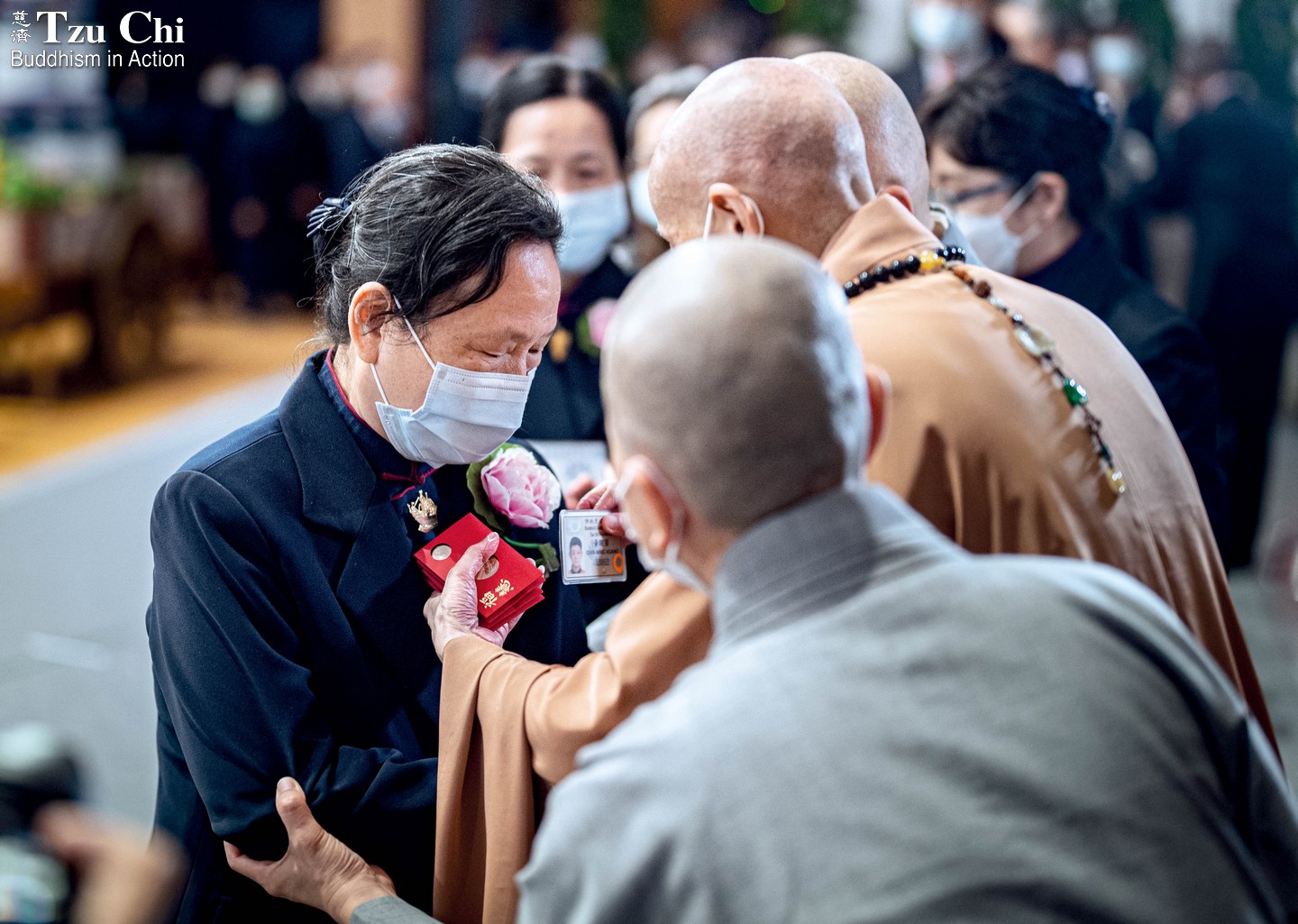
四月二十三日,慈濟五十六周年前夕,全臺各地的慈濟人返回精舍與上人座談,高雄慈濟人呈善款。

上人表示大家都有愛心,只是需要有人鼓勵與帶動,將愛心化為行動,才能造福人間;否則只是口頭上說自己有愛心卻沒有行動,是無福的。心一動,嘴要講,力要出,這才是心身力行菩薩道,信、願、行。

上人談到,此時無論是瘟疫或是氣候變遷導致的災難,如果想要平息或減輕,就是啟發愛心,同時要從齋戒茹素的行動表達愛心的誠意。「我知道茹素對許多人來說很困難,其實這個時候『天降禍』,就是要看人會不會覺醒,所以是『大哉教育』。如果眾生不覺醒、無誠意,再如何祈禱,也無法上達諸佛菩薩聽!」

「你們發心捐款救人,愛心的範圍只在『人』,你們疼惜人間,師父替人間向你們說感恩;若是愛眾生,就不會食眾生肉,或是只能『盡量』吃素。現在人間已經被『病氣』籠罩,人心如果無法覺醒,疫情就會一直升溫。」上人說,師兄師姊們都很願意捨,而且邀約親友共同行善,無論款項多寡,點點滴滴集合起來,力量也很大。

「世間財要用在世間,賺錢要懂得用錢,要用得對,才能造福人群。如果社會不平安,像現在從烏克蘭逃難出來的人,即使過去賺了再多錢、擁有再多財產,緊急逃命時都帶不走;更何況炸彈無眼,無分貧富,生命瞬間消失,少數人的瞋怒心一啟動,受到無明遮蓋,就會造成這麼悽慘的景象。師父很擔憂現在的人間,何況還有瘟疫籠罩,苦難人更多;期盼大家共同來呼喚,發揮你們的說服力,把握機會對人說慈濟,勸善也勸素。」

上人表示自己的書桌玻璃下夾了一張通貨膨脹非常嚴重時的五百億辛巴威幣,意在自我提醒,這麼一大串數字,當時只能買到一條香蕉;同時也祝福臺灣平安,否則社會動盪就會影響民生經濟。希望臺灣人人虔誠有愛,讓社會維持安定,大眾才能安居樂業,這就是福!
4.21~23《農三月‧二十一至二十三》

【靜思小語】以齋戒茹素的行動,表達祈求平安的誠意。

一段美好的人間歷史

於四月二十一日的慈善志策會中,印尼慈濟人透過連線,回顧印尼慈濟志業二十九年來的慈善足跡;上人說,聽到這些動人的故事,過去一幕幕景象歷歷浮現腦海,尤其二○○二年一月雅加達大水之後,多位印尼的華裔企業家如黃奕聰老先生、黃榮年師兄及郭再源師兄等人,大力護持慈濟賑濟行動,並與印尼政府合力「五管齊下」整治紅溪河、為河畔違章居民遷建大愛村,是興邦定國之舉;在此之前,幾位師姊在印尼開拓志業道路,默默耕耘慈善志業,為印尼慈濟志業打下穩固基礎,每一位都是很重要的歷史人物,請人文志業一一書寫完整,整理好印尼慈濟志業歷史。

當年為紅溪河畔違章貧戶興建的金卡蓮慈濟大愛村,已經成為生活機能健全的美麗村落,家家戶戶安居樂業。上人欣言這是一段很美好的人間歷史,大災難亦是轉變的因緣,但如果當時沒有把握這分因緣,就無法為受災貧戶重新建設;若沒有重新建設,就沒有繁榮的社會。「假如不是大家有那一分真誠的心,就不能啟動善行;沒有這一段人間善行,就沒有這麼美好的社區,印尼更不會有這一大群好人做好事,所以說因緣不可思議,把握因緣可以成就一切。」

上人說,從紅溪河整治之前的影像與目前的影像兩相對照,可以明顯看出當地的改變─過去河面漂滿垃圾、岸邊違章遍布,現在已經變成一條乾淨、景觀優美的河流,兩岸有漂亮的建築。「記得整治工程開始之後沒多久,隔年就說要舉辦龍舟賽。我問:『還沒有整理得很乾淨,就要在那裏划龍舟,會不會不好看?』思賢與阿源他們就轉達市長的意思,說要將整治的過程展現給大家看,讓大家知道曾經有過的歷史。我很讚歎他們的智慧。」

上人憶及當時划龍舟還因為河面的垃圾卡進馬達,讓一艘龍舟進退不得。「馬達卡住時很緊張,狀況解除以後又覺得很有趣;過去分分秒秒累積的人間事,變成真、善、美的歷史。」這二十年來,慈濟志工與人文、教育志業也寫下不少紅溪河整治的報導,上人期盼彙整各方資料,收錄完整的人事時地物,讓這一部很重要、很美好的人間史書永世流傳。

「這是一部很精彩的歷史,留於後代,也是很寶貴的教育,見證了人間的愛恨情仇與歷史遷變。可以讓人探討原本平安美好的人間,為何會有種種問題,甚至有對立、動亂?又是什麼因緣、用什麼方法撫平仇恨,讓人間恢復祥和平安?在雅加達水患之前,印尼曾經有嚴重的排華暴動,我那時對印尼的華裔企業家說,要用愛付出,撫平創傷的心靈。他們把師父的話聽進去,也實際去做到,真的做到讓印尼民眾感恩華裔企業家;否則種族對立,以及仇富的心態,會讓社會更不平安。」

上人說,過去經歷的各種酸甜苦辣心情,之所以能夠變成美好的回憶,是因為其中都有溫暖的愛。有愛的人間,再困難的境地也能安然度過;若缺了這分愛,冷漠的人間就沒有希望。

「感恩印尼慈濟人做得很成功,看到紅溪河,我滿心歡喜,充滿感恩;相信參與當年印尼貧戶救濟以及五管齊下行動的幾個國家的慈濟人,也會感到法喜充滿,覺得自己做得對,這是最為歡喜的享受。感恩各位菩薩愛的能量付出,也期待臺灣慈濟人要勤精進,慈濟的發祥地在臺灣,我們要繼續在臺灣勤播種子,讓每一顆種子都能『一』生無量,這就是我最大的心願。」

勸善勸素讓社會平安

四月二十三日,慈濟五十六周年前夕,全臺各地的慈濟人返回精舍與上人座談,高雄慈濟人呈善款。

上人表示大家都有愛心,只是需要有人鼓勵與帶動,將愛心化為行動,才能造福人間;否則只是口頭上說自己有愛心卻沒有行動,是無福的。心一動,嘴要講,力要出,這才是心身力行菩薩道,信、願、行。

上人談到,此時無論是瘟疫或是氣候變遷導致的災難,如果想要平息或減輕,就是啟發愛心,同時要從齋戒茹素的行動表達愛心的誠意。「我知道茹素對許多人來說很困難,其實這個時候『天降禍』,就是要看人會不會覺醒,所以是『大哉教育』。如果眾生不覺醒、無誠意,再如何祈禱,也無法上達諸佛菩薩聽!」

「你們發心捐款救人,愛心的範圍只在『人』,你們疼惜人間,師父替人間向你們說感恩;若是愛眾生,就不會食眾生肉,或是只能『盡量』吃素。現在人間已經被『病氣』籠罩,人心如果無法覺醒,疫情就會一直升溫。」上人說,師兄師姊們都很願意捨,而且邀約親友共同行善,無論款項多寡,點點滴滴集合起來,力量也很大。

「世間財要用在世間,賺錢要懂得用錢,要用得對,才能造福人群。如果社會不平安,像現在從烏克蘭逃難出來的人,即使過去賺了再多錢、擁有再多財產,緊急逃命時都帶不走;更何況炸彈無眼,無分貧富,生命瞬間消失,少數人的瞋怒心一啟動,受到無明遮蓋,就會造成這麼悽慘的景象。師父很擔憂現在的人間,何況還有瘟疫籠罩,苦難人更多;期盼大家共同來呼喚,發揮你們的說服力,把握機會對人說慈濟,勸善也勸素。」

上人表示自己的書桌玻璃下夾了一張通貨膨脹非常嚴重時的五百億辛巴威幣,意在自我提醒,這麼一大串數字,當時只能買到一條香蕉;同時也祝福臺灣平安,否則社會動盪就會影響民生經濟。希望臺灣人人虔誠有愛,讓社會維持安定,大眾才能安居樂業,這就是福!
二十四日 美好的生日

4.24《農三月‧二十四》

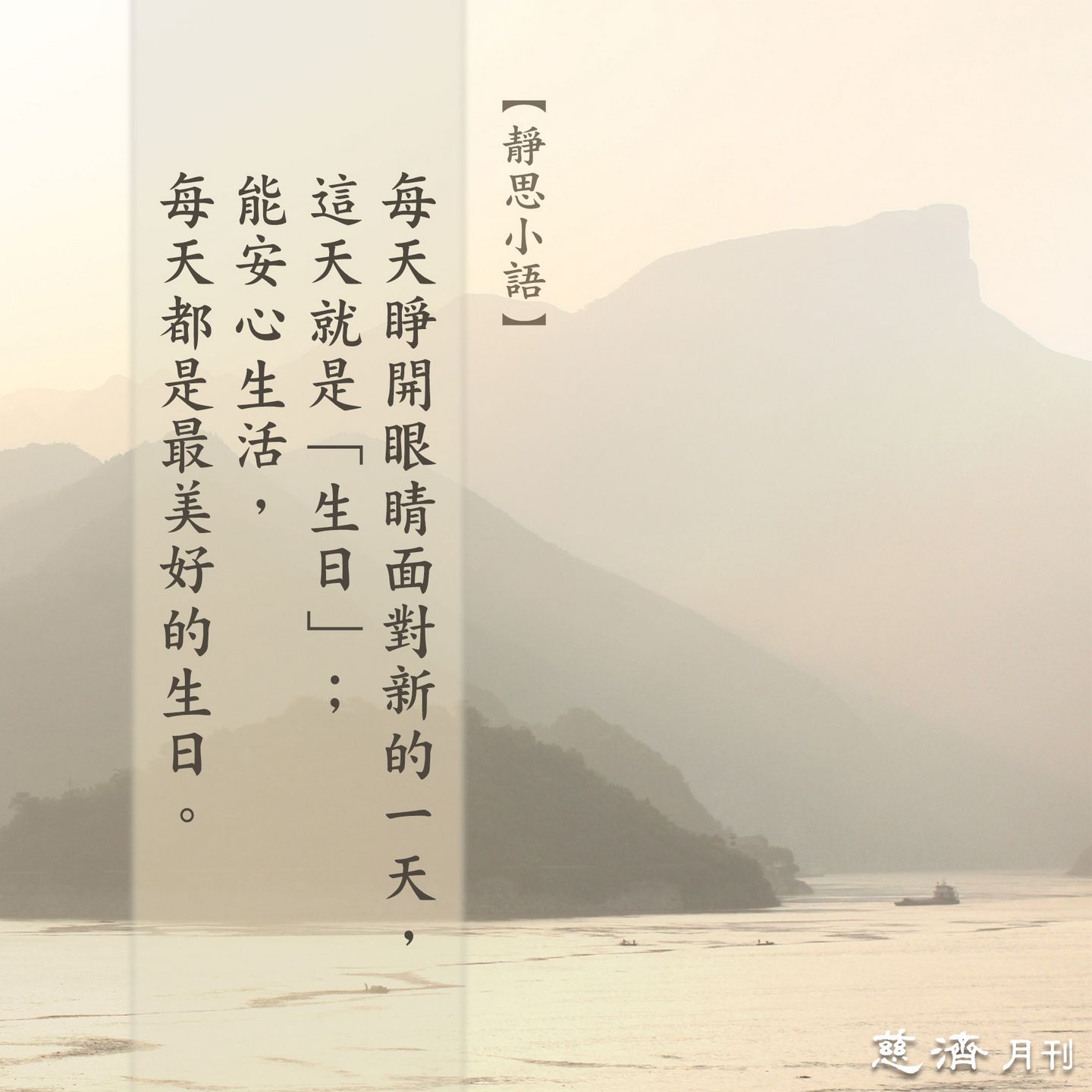
【靜思小語】每天睜開眼睛面對新的一天,這天就是「生日」;能安心生活,每天都是最美好的生日。

慈濟五十六周年

今天是農曆三月二十四日,乃慈濟五十六周年,全球慈濟人透過網路視訊,在雲端共同參與全天的感恩祈福會,包括早課、志工早會、藥師法會、「靜思法脈,克難起源」分享及溫馨座談。

上人於早會開示,教導大家用心觀天下事,提起好心、好念,帶動人間互愛互助。「平安的時刻,每天的八萬六千四百秒,不知不覺就過去了;一旦有事,總是度日如年。要知道現在普天之下有多少人在挨餓中過日子,有多少人被迫逃難卻不知何去何從,這樣的苦難人生,讓人為他們悲心、憂慮,也是緊張不安。」

「最近總是聽到弟子們祝福師父身體健康、日日歡喜。哪有可能呢?多少人在苦難中求平安,在飢餓中求飽暖,在流離顛沛中求安定,都求而不得。天蓋之下、地載之上,眾生是生命共同體,理應共生共榮,卻有這樣的差別,實在是很難分析。我們要好好地把握當下每一分秒,平安的人要多造福,發揮生命的價值。若是平安時只是貪圖享樂,忘記世間有多少苦難人,也忘記自然法則,對於天下災難漠不關心,世間會變得很冷漠,也難以祥和平安。」

人心起貪、瞋、癡念,心態不調,小則困擾自己、困擾家庭與社區,大則致使天下動盪不安。上人教大家見天下苦相要自我警惕,好好調整心態,不要自大、自私而貪求一切,永無窮盡。其實財富累積得再多,一個人一餐所食也不過一、二碗飯就能飽足;天冷時多加一、二件衣服就能禦寒;擁有一間可以遮風擋雨的房舍棲身,已經很足夠了。若是擁有得多還要追求更多,永不滿足,到頭來無常現前,一切有形之物終將成空;就像戰事一起,再優美的景色、再堂皇的建築,炮火中瞬間化為烏有,家庭、財產隨著大環境的動盪化為泡影。

「現在有四、五十個國家地區的幾千個點在雲端連線,把我的影像帶到雲端,讓我的聲音普及四十六個國家地區,這是因為科技發達助我傳法,祥和社會,這是人間之福。我知福,因為我享受到科技的便利;能平安,我時時心寬、念念單純。我們有棲身之處,資糧不匱乏,都應該要知福與感恩,同時還要惜福、造福。」

上人說,人生活在天地之間,要求得天的庇護與大地的養育,得以平安度日無匱乏,人們本身也不能喪失「天良」,要維持善良的心,不能脫離做人的軌道,天才能庇護人間,風調雨順而使大地出產豐富的糧食供應給人。

「我們要呼籲人人的愛心,期待我們的呼籲,每一秒鐘都有無數人可以聽見,有無數人發心;我還要呼籲,得到幫助、收到祝福的人,一定要有感恩心,感恩有這麼多好人愛自己,也虔誠祈求平安,將來有能力也願意回饋給其他人。人人都能如此發好願,則眾生的業障會漸漸消弭,福氣也因為眾生造福而增加,人間就愈來愈有福了。」

上人說,雖然現在的世間,有許多令人擔心的現象,但是再怎麼擔憂都沒有用,還是要和合力量,人人發心立願,做一個真正能幫助人的人;「自己當菩薩,還要廣招人人來當菩薩,共同發揮愛的力量,讓『藍天白雲』廣庇人間,菩薩雲來集,如同法會上的香雲蓋,一朵朵白雲化成讓人安心的香氣,心境海闊天空,人間平安祥和,這就是我的心願。」

「人人都能平安生活,每一天都是最美好的生日。」上人說,每天睜開眼睛,面對新的一天生活,這一天就是「生日」,直到哪一天一覺睡去,再睜眼已是新的一生,這一天也是「生日」。所以說過生日不需要執著是哪一天,只要把握現在,活得有意義,盤點自己的生命,自己可以安心,就值得感恩;人人都在能夠安心的人間生活,也要彼此感恩相待,見面合掌道「感恩」,也傳遞一分祝福,祝福人間平安,也感恩人人造福人間,讓自己得以共享平安。

上人殷殷叮嚀弟子們把師父的話聽入心,並且確實做到,不要「盡量」做而要盡心去做。「期待人人體會菩薩心,建立自己內心的天良,鼓勵自己日日行菩薩道,與佛菩薩同在,愛護天下眾生。感恩大家對慈濟的付出、對師父的關心,我都會一一收進來,也期待大家共同付出愛。」

全球齊心持齋戒

下午的溫馨座談,美國、四川、泉州、菲律賓、約旦、馬來西亞、緬甸與南非慈濟人陸續分享。在波蘭盧布林對烏克蘭難民發放的美國曾慈慧師姊、土耳其胡光中師兄等前勘團隊,也透過連線報告當地最新情形。慈慧師姊說,過去三天行程緊湊,分別與聯合國難民署、紅十字會、波蘭人道救援基金會、無疆界醫師聯盟、救世軍、空中援助基金會等機構,透過面對面的交談或視訊、電話等方式互動交流。

目前聯合國難民署統計與評估,將有八十萬難民會回到烏克蘭,對於後續的扶困、家園重整計畫、物資的運送正在做多方規畫。今天慈濟團隊將到邊境去看整體運作的狀況,明天與靈醫會、波蘭婦女協會到各收容中心探視。目前已與紅十字會討論出較為具體的合作方案。正如上人日前所說,看見世界的貧窮饑饉,感慨人間苦難偏多,要輾轉相傳良善,人人攜手相牽,付出愛的力量,凝聚人間的福報。

土耳其胡光中師兄、周如意師姊昨天抵達盧布林,胡師兄表示,承擔發放的盧布林學生們非常優秀,在德國陳樹微師姊等人指引之下,學習到慈濟的發放方法與人文精神。在波蘭期間,會盡心力陪伴烏克蘭難民,幫助他們安住身心。

在烏克蘭難民湧入波蘭邊境後,先與夫婿展開小型發放的張淑兒師姊表示,她看到很多人吃冰冷的罐頭果腹,覺得很不捨,所以很努力尋找因緣做發放。在這段時間已經接觸到紅十字會,並且在本會支持下,將支援紅十字會每天五百人的生活物資供應,持續一個月。師姊找到三十位波茲南的大學生,會輪班投入紅十字會這個月的發放計畫;有五位烏克蘭難民願意參與,將採取「以工代賑」請他們協助發放。

上人叮嚀投入發放的臺灣留學生,在海外求學,當然要注重課業,而今有機會投入慈善救助行動,也要把握因緣,行善不落人後,大家要積極精進,不過前提是要守護好自身的平安、安全,把周遭的愛心能量會合起來,鼓勵同學們共同行善,即使只有點滴力量,都可以付出。

最後,上人期勉線上同步聆聽的全球慈濟人,要齊心持齋戒,虔誠祈禱疫情快速過去,更要虔誠祈禱天下平安,人的心態也要維持平和,讓戰爭趕快平息,讓這群無辜民眾脫離戰爭災難。

4.24《農三月‧二十四》

【靜思小語】每天睜開眼睛面對新的一天,這天就是「生日」;能安心生活,每天都是最美好的生日。

慈濟五十六周年

今天是農曆三月二十四日,乃慈濟五十六周年,全球慈濟人透過網路視訊,在雲端共同參與全天的感恩祈福會,包括早課、志工早會、藥師法會、「靜思法脈,克難起源」分享及溫馨座談。

上人於早會開示,教導大家用心觀天下事,提起好心、好念,帶動人間互愛互助。「平安的時刻,每天的八萬六千四百秒,不知不覺就過去了;一旦有事,總是度日如年。要知道現在普天之下有多少人在挨餓中過日子,有多少人被迫逃難卻不知何去何從,這樣的苦難人生,讓人為他們悲心、憂慮,也是緊張不安。」

「最近總是聽到弟子們祝福師父身體健康、日日歡喜。哪有可能呢?多少人在苦難中求平安,在飢餓中求飽暖,在流離顛沛中求安定,都求而不得。天蓋之下、地載之上,眾生是生命共同體,理應共生共榮,卻有這樣的差別,實在是很難分析。我們要好好地把握當下每一分秒,平安的人要多造福,發揮生命的價值。若是平安時只是貪圖享樂,忘記世間有多少苦難人,也忘記自然法則,對於天下災難漠不關心,世間會變得很冷漠,也難以祥和平安。」

人心起貪、瞋、癡念,心態不調,小則困擾自己、困擾家庭與社區,大則致使天下動盪不安。上人教大家見天下苦相要自我警惕,好好調整心態,不要自大、自私而貪求一切,永無窮盡。其實財富累積得再多,一個人一餐所食也不過一、二碗飯就能飽足;天冷時多加一、二件衣服就能禦寒;擁有一間可以遮風擋雨的房舍棲身,已經很足夠了。若是擁有得多還要追求更多,永不滿足,到頭來無常現前,一切有形之物終將成空;就像戰事一起,再優美的景色、再堂皇的建築,炮火中瞬間化為烏有,家庭、財產隨著大環境的動盪化為泡影。

「現在有四、五十個國家地區的幾千個點在雲端連線,把我的影像帶到雲端,讓我的聲音普及四十六個國家地區,這是因為科技發達助我傳法,祥和社會,這是人間之福。我知福,因為我享受到科技的便利;能平安,我時時心寬、念念單純。我們有棲身之處,資糧不匱乏,都應該要知福與感恩,同時還要惜福、造福。」

上人說,人生活在天地之間,要求得天的庇護與大地的養育,得以平安度日無匱乏,人們本身也不能喪失「天良」,要維持善良的心,不能脫離做人的軌道,天才能庇護人間,風調雨順而使大地出產豐富的糧食供應給人。

「我們要呼籲人人的愛心,期待我們的呼籲,每一秒鐘都有無數人可以聽見,有無數人發心;我還要呼籲,得到幫助、收到祝福的人,一定要有感恩心,感恩有這麼多好人愛自己,也虔誠祈求平安,將來有能力也願意回饋給其他人。人人都能如此發好願,則眾生的業障會漸漸消弭,福氣也因為眾生造福而增加,人間就愈來愈有福了。」

上人說,雖然現在的世間,有許多令人擔心的現象,但是再怎麼擔憂都沒有用,還是要和合力量,人人發心立願,做一個真正能幫助人的人;「自己當菩薩,還要廣招人人來當菩薩,共同發揮愛的力量,讓『藍天白雲』廣庇人間,菩薩雲來集,如同法會上的香雲蓋,一朵朵白雲化成讓人安心的香氣,心境海闊天空,人間平安祥和,這就是我的心願。」

「人人都能平安生活,每一天都是最美好的生日。」上人說,每天睜開眼睛,面對新的一天生活,這一天就是「生日」,直到哪一天一覺睡去,再睜眼已是新的一生,這一天也是「生日」。所以說過生日不需要執著是哪一天,只要把握現在,活得有意義,盤點自己的生命,自己可以安心,就值得感恩;人人都在能夠安心的人間生活,也要彼此感恩相待,見面合掌道「感恩」,也傳遞一分祝福,祝福人間平安,也感恩人人造福人間,讓自己得以共享平安。

上人殷殷叮嚀弟子們把師父的話聽入心,並且確實做到,不要「盡量」做而要盡心去做。「期待人人體會菩薩心,建立自己內心的天良,鼓勵自己日日行菩薩道,與佛菩薩同在,愛護天下眾生。感恩大家對慈濟的付出、對師父的關心,我都會一一收進來,也期待大家共同付出愛。」

全球齊心持齋戒

下午的溫馨座談,美國、四川、泉州、菲律賓、約旦、馬來西亞、緬甸與南非慈濟人陸續分享。在波蘭盧布林對烏克蘭難民發放的美國曾慈慧師姊、土耳其胡光中師兄等前勘團隊,也透過連線報告當地最新情形。慈慧師姊說,過去三天行程緊湊,分別與聯合國難民署、紅十字會、波蘭人道救援基金會、無疆界醫師聯盟、救世軍、空中援助基金會等機構,透過面對面的交談或視訊、電話等方式互動交流。

目前聯合國難民署統計與評估,將有八十萬難民會回到烏克蘭,對於後續的扶困、家園重整計畫、物資的運送正在做多方規畫。今天慈濟團隊將到邊境去看整體運作的狀況,明天與靈醫會、波蘭婦女協會到各收容中心探視。目前已與紅十字會討論出較為具體的合作方案。正如上人日前所說,看見世界的貧窮饑饉,感慨人間苦難偏多,要輾轉相傳良善,人人攜手相牽,付出愛的力量,凝聚人間的福報。

土耳其胡光中師兄、周如意師姊昨天抵達盧布林,胡師兄表示,承擔發放的盧布林學生們非常優秀,在德國陳樹微師姊等人指引之下,學習到慈濟的發放方法與人文精神。在波蘭期間,會盡心力陪伴烏克蘭難民,幫助他們安住身心。

在烏克蘭難民湧入波蘭邊境後,先與夫婿展開小型發放的張淑兒師姊表示,她看到很多人吃冰冷的罐頭果腹,覺得很不捨,所以很努力尋找因緣做發放。在這段時間已經接觸到紅十字會,並且在本會支持下,將支援紅十字會每天五百人的生活物資供應,持續一個月。師姊找到三十位波茲南的大學生,會輪班投入紅十字會這個月的發放計畫;有五位烏克蘭難民願意參與,將採取「以工代賑」請他們協助發放。

上人叮嚀投入發放的臺灣留學生,在海外求學,當然要注重課業,而今有機會投入慈善救助行動,也要把握因緣,行善不落人後,大家要積極精進,不過前提是要守護好自身的平安、安全,把周遭的愛心能量會合起來,鼓勵同學們共同行善,即使只有點滴力量,都可以付出。

最後,上人期勉線上同步聆聽的全球慈濟人,要齊心持齋戒,虔誠祈禱疫情快速過去,更要虔誠祈禱天下平安,人的心態也要維持平和,讓戰爭趕快平息,讓這群無辜民眾脫離戰爭災難。

二十五日 分秒累積歲月

4.25《農三月‧二十五》

【靜思小語】把握分秒為自己的人生累積價值,讓有益人間的好事永恆傳續。

常想天下苦難人

據統計昨日慈濟五十六周年感恩祈福會,全天的精進共修與溫馨分享,共有五十二個國家地區、一百八十四個社區道場共修點的七千七百多人,以及個人在家透過網路線上精進共修的五萬四千四百多個連線點;為使不同語系的慈濟志工了解上人開示及慈濟法親分享內容,有中文、英語、柬埔寨語、菲律賓語、緬甸語、韓語及莫三比克葡萄牙語等七種語言同步發送現場翻譯。

上人於早會時說,慈濟五十六年過去了,從今天開始是第五十七年,幾十年、上百年、上千年的歲月,都是從分秒累積而來,即使人生短暫,也要把握每一分秒,為自己的人生累積價值,讓有益人間的好事永恆傳續。

昨天有臺灣各地的慈濟志工代表回到精舍,分享他們幾十年來的慈濟路;也有海外慈濟人透過視訊,分享「那一年」,回憶過去;更有現在身負任務,飄洋過海,會合在波蘭的多國慈濟人上線報告,他們如何把愛心集中、物資會合,為烏克蘭難民做發放。

「感恩這群菩薩克服種種困難,辦理通關、安排交通,無分深夜或凌晨,趕著時間共同會合在波蘭,救助那一群逃難人,先應其急難,發放購物卡或現金,給予糧食還有禦寒衣物,解其燃眉之急。其實以我們的力量,能幫助的人很有限,能給的金額與物資也是過一段時間就會用完了,將來又該如何呢?」上人說,烏克蘭難民最希望的是趕快回到家鄉,但是戰爭不知何時結束,他們只能面對茫然的未來,在困境中等待人道團體的援助。慈濟將與紅十字會、靈醫會等人道組織會合,安排後續援助事宜。

設想難民的苦況,再看看自己能夠平安度日,要知福、惜福,還要啟發一念愛心,不忍眾生受苦難,盡一分心力去幫助他們。「我們此時享受著豐富的物資,時時要提醒自己,世界上還有這麼多人受苦受難,只要我們能做到的,就趕緊去付出。」

做到生命的價值

自一九九○年七月到花蓮慈濟醫院任職迄今,已服務三十二年的解剖病理科許永祥主任,堅定志願投入病理研究,並致力教學,透過臨床病理分析,引領慈大醫學生了解疾病原因與發病機制等相關知識。許主任自去年診斷出罹癌,病情每況愈下,在病房透過視訊與上人對話。

上人說:「師父知道你很辛苦!不過這也是人生的自然法則,你跟師父那麼久了,師父的話也聽了不少,你要為自己祝福,師父和精舍常住也會一直為你祝福,但最重要的是自我祝福。你要記得師父說『生命的價值』,你已經做到了,這三十多年來,你在慈濟醫院已經守護多少人的生命,也讓醫師更清楚病患的病因,讓學生更了解病理;為了守護生命、為了醫療教育,你此生很有價值!」

「大家都為你祝福,你要讓心清清淨淨。就像每天晚上都要睡覺,隔天睜開眼睛,就要珍惜當下的因緣過生活;若是長眠了,也心無掛礙,就這樣輕安自在,不論因緣在哪裏,就隨著因緣再來。所以你要放心,把心放得輕輕鬆鬆、安安穩穩。雖然師父現在無法去醫院探望,不過你都在師父的身邊,我腦海裏一轉,就會想到你,所以要放心。」許主任感恩表示自己會放心,也請上人放心。

上人再叮嚀,要記得保持輕安自在的心,恆持一念發心,將來一定能夠接起因緣,在人間的菩薩道上再接再厲。現在要把心顧好、把身體顧好,來去都要很自在。

世間本有種種苦

聆聽慈濟基金會主管同仁分享之後,上人開示談及目前正在波蘭進行的烏克蘭難民救助行動,昨天從視訊中看見來自不同國家的慈濟人齊集波蘭,內心很感動!另一方面也很不捨烏克蘭難民,若非遭遇戰爭,相信大家都擁有幸福的家庭、美好的家園,至少不必為了生命安全而逃難,現在茫茫然不知落腳何方,也不知戰事何時停止,何時可以回家鄉。希望大家見苦知福,也要多用心,多撥一些心靈空間,想一想在波蘭幫助人的人,要如何感恩他們;對於正在受苦受難的人,大家共同用心、用方法幫助他們。

上人不捨提及與許永祥主任的視訊對話,生離死別實難堪受!但是人生自然法則,難捨也得捨,很無奈!還是忍著心中的不捨,教他安心,輕鬆自在地面對。生死就像平時晚上休息,隔天醒來面對新的一天;該休息就要安然閉眼睡去,只要放得下,永遠都能輕安自在。

上人說,人生世間本來就有種種苦,即使生在和平社會,自然法則的生老病死都是苦。現在從烏克蘭逃出的難民,與親人分離的苦,也是時時刻刻都使身心煎熬。「人生是苦,三界如火宅,只要用心就能體會;體會到苦,才能打開心門,發揮悲心,知道世間何處有苦難,就如同身受,不忍眾生受苦,所以盡心力去救助。」

「我很想去幫助那一群流離失所的人,但是自己走不到,要靠這一群覺有情的菩薩去救助。然而他們也要克服萬難,經過幾千公里的路程,不辭辛勞趕赴當地。他們就是我心目中最尊敬的菩薩,用愛去膚慰苦難人,讓我很感恩!」上人也說,天下苦難人太多了,只憑慈濟的力量難以及時而普遍地救助得到,所以要把握因緣,與其他正信的宗教團體、人道組織合作,凝聚更大的愛心力量去幫助。

上人且言,有心要幫助苦難人,也需要因緣才能去付出,然而因緣稍縱即逝,如果沒有把握,也許一波波難民不斷地經過波蘭,卻得不到救助。此時正是烏克蘭難民最需要援助的時刻,而且心靈很惶恐,慈濟有因緣去幫助,也要把握因緣,讓他們了解人間還有很多有愛心的人,希望他們心中不要存有仇恨,更要啟發愛心。當他們落難時,得到愛心人的膚慰,感受人間溫暖;將來他們生活安穩了,看到苦難人,也能學習這群愛心人,對苦難人伸出援手。所以說,慈濟人做慈善的同時,也要做教育,還要發揮感恩、尊重、愛的人文精神。

上人請主管同仁們以感恩心,代替自己問候、關心此時在波蘭付出的慈濟人,也透過網路多呼籲、招募有心投入的慈濟人,可以前往接力付出。「要呼籲人人把愛連結起來,力量會合,才能夠長時間投入救助。就如絲線如果只有單獨一條,很容易斷掉,要把一條一條絲線揉合起來,編成粗壯的繩子,就會有承重的大力量。請菩薩們多關心、多呼籲,帶動人人多發心,天下還有許多等待幫助的苦難人。感恩菩薩在十方,就地或跨國為人間付出;祝福大家平安健康,要照顧好自己,才能為人間造福。」

4.25《農三月‧二十五》

【靜思小語】把握分秒為自己的人生累積價值,讓有益人間的好事永恆傳續。

常想天下苦難人

據統計昨日慈濟五十六周年感恩祈福會,全天的精進共修與溫馨分享,共有五十二個國家地區、一百八十四個社區道場共修點的七千七百多人,以及個人在家透過網路線上精進共修的五萬四千四百多個連線點;為使不同語系的慈濟志工了解上人開示及慈濟法親分享內容,有中文、英語、柬埔寨語、菲律賓語、緬甸語、韓語及莫三比克葡萄牙語等七種語言同步發送現場翻譯。

上人於早會時說,慈濟五十六年過去了,從今天開始是第五十七年,幾十年、上百年、上千年的歲月,都是從分秒累積而來,即使人生短暫,也要把握每一分秒,為自己的人生累積價值,讓有益人間的好事永恆傳續。

昨天有臺灣各地的慈濟志工代表回到精舍,分享他們幾十年來的慈濟路;也有海外慈濟人透過視訊,分享「那一年」,回憶過去;更有現在身負任務,飄洋過海,會合在波蘭的多國慈濟人上線報告,他們如何把愛心集中、物資會合,為烏克蘭難民做發放。

「感恩這群菩薩克服種種困難,辦理通關、安排交通,無分深夜或凌晨,趕著時間共同會合在波蘭,救助那一群逃難人,先應其急難,發放購物卡或現金,給予糧食還有禦寒衣物,解其燃眉之急。其實以我們的力量,能幫助的人很有限,能給的金額與物資也是過一段時間就會用完了,將來又該如何呢?」上人說,烏克蘭難民最希望的是趕快回到家鄉,但是戰爭不知何時結束,他們只能面對茫然的未來,在困境中等待人道團體的援助。慈濟將與紅十字會、靈醫會等人道組織會合,安排後續援助事宜。

設想難民的苦況,再看看自己能夠平安度日,要知福、惜福,還要啟發一念愛心,不忍眾生受苦難,盡一分心力去幫助他們。「我們此時享受著豐富的物資,時時要提醒自己,世界上還有這麼多人受苦受難,只要我們能做到的,就趕緊去付出。」

做到生命的價值

自一九九○年七月到花蓮慈濟醫院任職迄今,已服務三十二年的解剖病理科許永祥主任,堅定志願投入病理研究,並致力教學,透過臨床病理分析,引領慈大醫學生了解疾病原因與發病機制等相關知識。許主任自去年診斷出罹癌,病情每況愈下,在病房透過視訊與上人對話。

上人說:「師父知道你很辛苦!不過這也是人生的自然法則,你跟師父那麼久了,師父的話也聽了不少,你要為自己祝福,師父和精舍常住也會一直為你祝福,但最重要的是自我祝福。你要記得師父說『生命的價值』,你已經做到了,這三十多年來,你在慈濟醫院已經守護多少人的生命,也讓醫師更清楚病患的病因,讓學生更了解病理;為了守護生命、為了醫療教育,你此生很有價值!」

「大家都為你祝福,你要讓心清清淨淨。就像每天晚上都要睡覺,隔天睜開眼睛,就要珍惜當下的因緣過生活;若是長眠了,也心無掛礙,就這樣輕安自在,不論因緣在哪裏,就隨著因緣再來。所以你要放心,把心放得輕輕鬆鬆、安安穩穩。雖然師父現在無法去醫院探望,不過你都在師父的身邊,我腦海裏一轉,就會想到你,所以要放心。」許主任感恩表示自己會放心,也請上人放心。

上人再叮嚀,要記得保持輕安自在的心,恆持一念發心,將來一定能夠接起因緣,在人間的菩薩道上再接再厲。現在要把心顧好、把身體顧好,來去都要很自在。

世間本有種種苦

聆聽慈濟基金會主管同仁分享之後,上人開示談及目前正在波蘭進行的烏克蘭難民救助行動,昨天從視訊中看見來自不同國家的慈濟人齊集波蘭,內心很感動!另一方面也很不捨烏克蘭難民,若非遭遇戰爭,相信大家都擁有幸福的家庭、美好的家園,至少不必為了生命安全而逃難,現在茫茫然不知落腳何方,也不知戰事何時停止,何時可以回家鄉。希望大家見苦知福,也要多用心,多撥一些心靈空間,想一想在波蘭幫助人的人,要如何感恩他們;對於正在受苦受難的人,大家共同用心、用方法幫助他們。

上人不捨提及與許永祥主任的視訊對話,生離死別實難堪受!但是人生自然法則,難捨也得捨,很無奈!還是忍著心中的不捨,教他安心,輕鬆自在地面對。生死就像平時晚上休息,隔天醒來面對新的一天;該休息就要安然閉眼睡去,只要放得下,永遠都能輕安自在。

上人說,人生世間本來就有種種苦,即使生在和平社會,自然法則的生老病死都是苦。現在從烏克蘭逃出的難民,與親人分離的苦,也是時時刻刻都使身心煎熬。「人生是苦,三界如火宅,只要用心就能體會;體會到苦,才能打開心門,發揮悲心,知道世間何處有苦難,就如同身受,不忍眾生受苦,所以盡心力去救助。」

「我很想去幫助那一群流離失所的人,但是自己走不到,要靠這一群覺有情的菩薩去救助。然而他們也要克服萬難,經過幾千公里的路程,不辭辛勞趕赴當地。他們就是我心目中最尊敬的菩薩,用愛去膚慰苦難人,讓我很感恩!」上人也說,天下苦難人太多了,只憑慈濟的力量難以及時而普遍地救助得到,所以要把握因緣,與其他正信的宗教團體、人道組織合作,凝聚更大的愛心力量去幫助。

上人且言,有心要幫助苦難人,也需要因緣才能去付出,然而因緣稍縱即逝,如果沒有把握,也許一波波難民不斷地經過波蘭,卻得不到救助。此時正是烏克蘭難民最需要援助的時刻,而且心靈很惶恐,慈濟有因緣去幫助,也要把握因緣,讓他們了解人間還有很多有愛心的人,希望他們心中不要存有仇恨,更要啟發愛心。當他們落難時,得到愛心人的膚慰,感受人間溫暖;將來他們生活安穩了,看到苦難人,也能學習這群愛心人,對苦難人伸出援手。所以說,慈濟人做慈善的同時,也要做教育,還要發揮感恩、尊重、愛的人文精神。

上人請主管同仁們以感恩心,代替自己問候、關心此時在波蘭付出的慈濟人,也透過網路多呼籲、招募有心投入的慈濟人,可以前往接力付出。「要呼籲人人把愛連結起來,力量會合,才能夠長時間投入救助。就如絲線如果只有單獨一條,很容易斷掉,要把一條一條絲線揉合起來,編成粗壯的繩子,就會有承重的大力量。請菩薩們多關心、多呼籲,帶動人人多發心,天下還有許多等待幫助的苦難人。感恩菩薩在十方,就地或跨國為人間付出;祝福大家平安健康,要照顧好自己,才能為人間造福。」

二十六日 功德無量

4.26《農三月‧二十六》

【靜思小語】發揮力量去做事,才有「功」;清淨無染的愛心,就是「德」。

愛心凝聚 化干戈成為和平

俄烏戰事之下,百姓無辜,原本安居樂業的生活無法維持,美好的家園瞬間破碎,親人生死永別。新聞報導烏克蘭某處被轟炸的城市架起一道鐵絲網牆,掛了許多在戰火中不幸喪生者的相片。上人於早會談到,這片牆所掛的相片中,有老、有少,有很年輕的孩子,有的死無葬身之地,或是簡單挖了大溝集體掩埋,很令人心疼!平常在路上行走,大家都很自在;可是干戈一起,街道成為戰場,只能躲在建築物的地下室,或是想辦法逃離槍炮的威脅。然而離開家鄉,逃到異國,又該怎麼生活?可以想見他們的身心痛苦。

「我們天天都在虔誠祈禱,祈願虔誠的心聲能夠上達諸佛菩薩聽,但是到底有多少人有這分虔誠的心?聲音太微弱了,虔誠的力量不夠。我一直要人人開口呼籲『菩薩招生』,我自己的聲音就很微弱,如何能期待大家的聲音發得出來?所以呼籲的聲音總是微弱,能聽得到的人不多;即使聽到了,能入心、覺醒的人更是微乎其微。難免會想:呼籲也沒有用!感覺希望渺茫,心門愈關愈緊,心地愈來愈暗了。」

上人嘆道,雖然現在已經是春天,自然界生機蓬勃,氣候宜人,但是看見人間苦相,心中如處嚴寒的冬天,總是放不下、捨不掉遠方的苦難人,記掛著他們受苦悲悽的一幕幕影像。

俄烏戰事還沒有結束,但是已經有逃難的烏克蘭民眾決定回到家鄉面對一切。美國、土耳其、臺灣慈濟人到波蘭邊界梅狄卡,看見返回烏克蘭的車子大排長龍,還有很多送物資進烏克蘭的卡車,車輛每四十分鐘才會稍微往前進,有些人已經在車陣裏等了三天。慈濟人在車陣中發熱量棒,為他們補充糧食。「長長的車隊,慈濟人一部部車去關懷,送給他們的熱量棒,是高單位、高營養的乾糧,期待幫他們度過難關。」

在梅卡狄小鎮,不時有人從烏克蘭拖著簡單的行李抵達。而援助難民的非政府組織排滿左右通道,提供通訊、糧食以及交通服務。慈濟人設法了解其運作模式,之後與人權組織、人道行動基金會進行線上會議,討論現值卡和購物卡發放的可能性。上人說,只要戰爭不停止,就會不斷有難民逃往邊境,面對一波又一波的逃難人,各個人道團體、慈善組織必須把力量結合起來,才能照顧這麼多苦難人。

「幾個國家的慈濟人到波蘭,不只是去為難民發放,也與國際間的非政府組織、人道團體交流,互通訊息、彼此借力,所做的事就不會重複,也不會漏失。」上人感恩慈濟人拉長情、擴大愛,走到自己想走到的地方,膚慰自己想膚慰的苦難人;然而弟子們遠赴波蘭,為了賑濟苦難人而奔走,自己也很掛念大家的安危,只能在視訊中一再叮嚀人人照顧好自己,做好防疫措施,守護自身的平安健康,才有辦法救人。

「我很感恩這群慈濟人在前線照顧著逃難人,我們在後方也要盡一分責任,凝聚愛心力量,支持前線的慈濟人安心、盡力去做,讓難民接受到的幫助,有量也有質,能夠真正應他們所需要的而給予,不是蜻蜓點水般可有可無。」上人感恩各地慈濟志業體啟動募心募愛,呼籲民眾發揮愛心援助苦難人,並且帶動人人虔誠祈禱,祈願這分愛心能夠上達諸天、諸佛菩薩聽,化干戈成為和平。

上人說,慈濟人向大眾募心募愛,也是期待人心能轉個念頭,不要惹禍給人間,要造福於人間,維護天下的和平,人類才能有福。人與人之間用愛接力,就能夠將苦難人所需的物資送到他們手中,溫暖他的身與心;點滴愛心會合起來,力量無限,功德無量!

發揮力量去做事,才有「功」;付出無所求、清淨無染的愛心,就是「德」。無分力量大小,只要有一分堅定的信念,「信為道源功德母」,人與人之間彼此勉勵、相互邀約共行善事,這分愛心化成一股虔誠的力量,所做的善行形成一股福氣,真能影響天地氣候;將惡念轉成善念,平伏惡氣成為祥和之氣,就能使天下太平。

4.26《農三月‧二十六》

【靜思小語】發揮力量去做事,才有「功」;清淨無染的愛心,就是「德」。

愛心凝聚 化干戈成為和平

俄烏戰事之下,百姓無辜,原本安居樂業的生活無法維持,美好的家園瞬間破碎,親人生死永別。新聞報導烏克蘭某處被轟炸的城市架起一道鐵絲網牆,掛了許多在戰火中不幸喪生者的相片。上人於早會談到,這片牆所掛的相片中,有老、有少,有很年輕的孩子,有的死無葬身之地,或是簡單挖了大溝集體掩埋,很令人心疼!平常在路上行走,大家都很自在;可是干戈一起,街道成為戰場,只能躲在建築物的地下室,或是想辦法逃離槍炮的威脅。然而離開家鄉,逃到異國,又該怎麼生活?可以想見他們的身心痛苦。

「我們天天都在虔誠祈禱,祈願虔誠的心聲能夠上達諸佛菩薩聽,但是到底有多少人有這分虔誠的心?聲音太微弱了,虔誠的力量不夠。我一直要人人開口呼籲『菩薩招生』,我自己的聲音就很微弱,如何能期待大家的聲音發得出來?所以呼籲的聲音總是微弱,能聽得到的人不多;即使聽到了,能入心、覺醒的人更是微乎其微。難免會想:呼籲也沒有用!感覺希望渺茫,心門愈關愈緊,心地愈來愈暗了。」

上人嘆道,雖然現在已經是春天,自然界生機蓬勃,氣候宜人,但是看見人間苦相,心中如處嚴寒的冬天,總是放不下、捨不掉遠方的苦難人,記掛著他們受苦悲悽的一幕幕影像。

俄烏戰事還沒有結束,但是已經有逃難的烏克蘭民眾決定回到家鄉面對一切。美國、土耳其、臺灣慈濟人到波蘭邊界梅狄卡,看見返回烏克蘭的車子大排長龍,還有很多送物資進烏克蘭的卡車,車輛每四十分鐘才會稍微往前進,有些人已經在車陣裏等了三天。慈濟人在車陣中發熱量棒,為他們補充糧食。「長長的車隊,慈濟人一部部車去關懷,送給他們的熱量棒,是高單位、高營養的乾糧,期待幫他們度過難關。」

在梅卡狄小鎮,不時有人從烏克蘭拖著簡單的行李抵達。而援助難民的非政府組織排滿左右通道,提供通訊、糧食以及交通服務。慈濟人設法了解其運作模式,之後與人權組織、人道行動基金會進行線上會議,討論現值卡和購物卡發放的可能性。上人說,只要戰爭不停止,就會不斷有難民逃往邊境,面對一波又一波的逃難人,各個人道團體、慈善組織必須把力量結合起來,才能照顧這麼多苦難人。

「幾個國家的慈濟人到波蘭,不只是去為難民發放,也與國際間的非政府組織、人道團體交流,互通訊息、彼此借力,所做的事就不會重複,也不會漏失。」上人感恩慈濟人拉長情、擴大愛,走到自己想走到的地方,膚慰自己想膚慰的苦難人;然而弟子們遠赴波蘭,為了賑濟苦難人而奔走,自己也很掛念大家的安危,只能在視訊中一再叮嚀人人照顧好自己,做好防疫措施,守護自身的平安健康,才有辦法救人。

「我很感恩這群慈濟人在前線照顧著逃難人,我們在後方也要盡一分責任,凝聚愛心力量,支持前線的慈濟人安心、盡力去做,讓難民接受到的幫助,有量也有質,能夠真正應他們所需要的而給予,不是蜻蜓點水般可有可無。」上人感恩各地慈濟志業體啟動募心募愛,呼籲民眾發揮愛心援助苦難人,並且帶動人人虔誠祈禱,祈願這分愛心能夠上達諸天、諸佛菩薩聽,化干戈成為和平。

上人說,慈濟人向大眾募心募愛,也是期待人心能轉個念頭,不要惹禍給人間,要造福於人間,維護天下的和平,人類才能有福。人與人之間用愛接力,就能夠將苦難人所需的物資送到他們手中,溫暖他的身與心;點滴愛心會合起來,力量無限,功德無量!

發揮力量去做事,才有「功」;付出無所求、清淨無染的愛心,就是「德」。無分力量大小,只要有一分堅定的信念,「信為道源功德母」,人與人之間彼此勉勵、相互邀約共行善事,這分愛心化成一股虔誠的力量,所做的善行形成一股福氣,真能影響天地氣候;將惡念轉成善念,平伏惡氣成為祥和之氣,就能使天下太平。

二十七至二十八日 延續感恩心

4.27~28《農三月‧二十七至二十八》

【靜思小語】現在享受過去的餘蔭,也要以愛心造福於未來。

邀大眾祈福,長長久久

四月二十七日,常住師父、慈善志業顏博文執行長及宗教處主管同仁請示因應疫情之浴佛規畫。上人說,這一波的疾疫災,確實很難抵擋,因為人心不改變,疫情就會持續延燒。祈福不只在這一天,要真正帶動起人人的虔誠心,而且長久落實,如此邀大眾祈福才有用。

「疫情擋不住,因為暗箭難防,如同一支一支很尖銳的箭,很密集地向人間射過來,到底要持續多久?很難預測,只能看看人心何時能被啟發而願意改變。其實眾生過去累積的業力已經很難消弭了,現在的虔誠敵不過眾生的業力,所以很擔憂!」

「但只是擔憂實在無濟於事,要帶動人心虔誠,也要有聲、有色的表達。最近看到慈濟人在國際間賑濟受災人以及逃亡的難民,慈濟慈善一向沒有宗教的分別,也許從過去就開始在鋪路,與不同宗教人士結下好緣,很期待不同宗教、不同國度的有緣人,共同展示出有聲、有色,而且很合心的形象,共同來帶動群眾。」

上人說,佛誕節是佛教的重要節日,藉由浴佛活動,讓大眾見聞莊嚴形象而感動。所謂浴佛,其實是淨化人心,因為人人本具佛性,要洗除煩惱雜念,顯露清淨本性。這樣的精神內涵,要用方法傳入人心,不要用深澀的宗教語彙或儀式,要讓所有人在這個時候,共同把心結合起來。

「眾生共業,此時我們要安住人心,讓共惡業變成共善業,就要用方法引導迷失的人心。但是任憑我們再如何呼喚,也無法將人一下子就叫醒,很多人只是應聲而已,不願意去做。例如我一直呼喚慈濟人茹素、推素,也難以要求人人都確實做到。所以我常常感嘆,知道說了也沒用,所以不說也罷;但是我也要自我勉勵,要克服『難』,不要被『難』克服。所以還是要耐心教育,讓人人終於發現自己的過錯,能夠真誠懺悔,不斷地修行,不再隨著習氣造業,直到回歸真誠的本性。能夠做到這樣,才是真實的浴佛。」

以衣覆之,如同父母心

教育志業每週例行校務報告後,上人感於疫情難以預測,強調戒慎虔誠之心不可無。各校若有確診者,除了遵照法規進行相關措施,更要安撫人心;另一方面,對於防疫、治病的研究也要踏實進行,要不斷精進。

上人表示此時各校都要保護好師生,尤其學童的健康,須依賴老師、父母的關心與注意,所以校方的責任很重大。老師心是父母心,也是菩薩心,這分愛如「以衣覆之」,保護、愛護孩子不受風寒,用這分心教導孩子。

「校園廣大,學生眾多,不論是外在環境或是人的心境,都要維護整潔衛生,並且提高警覺,防止病毒擴散,用愛與智慧與師生互動,照顧好學校裏的每一個人,教育孩子懂得自我防護,同時教導家長做好家庭防護。」

上人說,「以衣覆之」的保護範圍要從校園擴及社會,除了教育人人在生活中養成衛生習慣,生病不適就要提高警覺,與他人隔離開來,還要推動素食,教大家不要為了口欲而殺生,同時降低病從口入的機率。凡夫心迷茫,很容易走上偏差、錯誤的方向,教育志業有責任為人間指正方向。

報真導正,寫人間歷史

四月二十八日,人文志業合心精進長姚仁祿師兄報告人文志業同仁前往波蘭記錄慈濟援助烏克蘭難民之相關規畫。上人說,俄烏戰爭是這個時代的天下大事,造成的影響是全球性的。人文志業有責任普告天下,慈濟人在這個時代,因應此時發生的天下大事,有什麼行動。可以讓大眾吸收很正確的訊息,而非煽動人心的誇張報導;人文志業報導時事,要安定民心、教育人心,為人心導正向。

「這是現在正在進行的事,時間過去一秒,上一秒就成為歷史;若是放任時間空過,就是浪費時間。在這個時代,這個天地大空間,人間發生這件大事,幾個國家的慈濟人會合在波蘭,幫助烏克蘭難民,前線的慈濟人在付出,作為後援的人也沒有空過時間,要為前線不斷供應充足的物資,無論前線或後援,都有很感人的真人實事,人文志業要及時記錄,完整呈現。常說人文志業報真導正,要『報真』於現在,『導正』於未來。」

上人說,過去幾秒鐘發生的事對於現在來說就是歷史,現在的起心動念、開口動舌,造就未來的結果,因、緣、果、報都在過去、現在、未來中不斷循環。現在盤點過去,方向沒有偏差,要說感恩;現在發生的事,讓我們決定要怎麼做而且行得通,我們也要說感恩。

「我們現在等於享受過去的餘蔭,要呼籲人人以愛心造福於未來,將對於過去的感恩延續到未來;人生無常,所以要珍惜當下,發揮功能,拉長情、擴大愛,這也是我們的方向。」

4.27~28《農三月‧二十七至二十八》

【靜思小語】現在享受過去的餘蔭,也要以愛心造福於未來。

邀大眾祈福,長長久久

四月二十七日,常住師父、慈善志業顏博文執行長及宗教處主管同仁請示因應疫情之浴佛規畫。上人說,這一波的疾疫災,確實很難抵擋,因為人心不改變,疫情就會持續延燒。祈福不只在這一天,要真正帶動起人人的虔誠心,而且長久落實,如此邀大眾祈福才有用。

「疫情擋不住,因為暗箭難防,如同一支一支很尖銳的箭,很密集地向人間射過來,到底要持續多久?很難預測,只能看看人心何時能被啟發而願意改變。其實眾生過去累積的業力已經很難消弭了,現在的虔誠敵不過眾生的業力,所以很擔憂!」

「但只是擔憂實在無濟於事,要帶動人心虔誠,也要有聲、有色的表達。最近看到慈濟人在國際間賑濟受災人以及逃亡的難民,慈濟慈善一向沒有宗教的分別,也許從過去就開始在鋪路,與不同宗教人士結下好緣,很期待不同宗教、不同國度的有緣人,共同展示出有聲、有色,而且很合心的形象,共同來帶動群眾。」

上人說,佛誕節是佛教的重要節日,藉由浴佛活動,讓大眾見聞莊嚴形象而感動。所謂浴佛,其實是淨化人心,因為人人本具佛性,要洗除煩惱雜念,顯露清淨本性。這樣的精神內涵,要用方法傳入人心,不要用深澀的宗教語彙或儀式,要讓所有人在這個時候,共同把心結合起來。

「眾生共業,此時我們要安住人心,讓共惡業變成共善業,就要用方法引導迷失的人心。但是任憑我們再如何呼喚,也無法將人一下子就叫醒,很多人只是應聲而已,不願意去做。例如我一直呼喚慈濟人茹素、推素,也難以要求人人都確實做到。所以我常常感嘆,知道說了也沒用,所以不說也罷;但是我也要自我勉勵,要克服『難』,不要被『難』克服。所以還是要耐心教育,讓人人終於發現自己的過錯,能夠真誠懺悔,不斷地修行,不再隨著習氣造業,直到回歸真誠的本性。能夠做到這樣,才是真實的浴佛。」

以衣覆之,如同父母心

教育志業每週例行校務報告後,上人感於疫情難以預測,強調戒慎虔誠之心不可無。各校若有確診者,除了遵照法規進行相關措施,更要安撫人心;另一方面,對於防疫、治病的研究也要踏實進行,要不斷精進。

上人表示此時各校都要保護好師生,尤其學童的健康,須依賴老師、父母的關心與注意,所以校方的責任很重大。老師心是父母心,也是菩薩心,這分愛如「以衣覆之」,保護、愛護孩子不受風寒,用這分心教導孩子。

「校園廣大,學生眾多,不論是外在環境或是人的心境,都要維護整潔衛生,並且提高警覺,防止病毒擴散,用愛與智慧與師生互動,照顧好學校裏的每一個人,教育孩子懂得自我防護,同時教導家長做好家庭防護。」

上人說,「以衣覆之」的保護範圍要從校園擴及社會,除了教育人人在生活中養成衛生習慣,生病不適就要提高警覺,與他人隔離開來,還要推動素食,教大家不要為了口欲而殺生,同時降低病從口入的機率。凡夫心迷茫,很容易走上偏差、錯誤的方向,教育志業有責任為人間指正方向。

報真導正,寫人間歷史

四月二十八日,人文志業合心精進長姚仁祿師兄報告人文志業同仁前往波蘭記錄慈濟援助烏克蘭難民之相關規畫。上人說,俄烏戰爭是這個時代的天下大事,造成的影響是全球性的。人文志業有責任普告天下,慈濟人在這個時代,因應此時發生的天下大事,有什麼行動。可以讓大眾吸收很正確的訊息,而非煽動人心的誇張報導;人文志業報導時事,要安定民心、教育人心,為人心導正向。

「這是現在正在進行的事,時間過去一秒,上一秒就成為歷史;若是放任時間空過,就是浪費時間。在這個時代,這個天地大空間,人間發生這件大事,幾個國家的慈濟人會合在波蘭,幫助烏克蘭難民,前線的慈濟人在付出,作為後援的人也沒有空過時間,要為前線不斷供應充足的物資,無論前線或後援,都有很感人的真人實事,人文志業要及時記錄,完整呈現。常說人文志業報真導正,要『報真』於現在,『導正』於未來。」

上人說,過去幾秒鐘發生的事對於現在來說就是歷史,現在的起心動念、開口動舌,造就未來的結果,因、緣、果、報都在過去、現在、未來中不斷循環。現在盤點過去,方向沒有偏差,要說感恩;現在發生的事,讓我們決定要怎麼做而且行得通,我們也要說感恩。

「我們現在等於享受過去的餘蔭,要呼籲人人以愛心造福於未來,將對於過去的感恩延續到未來;人生無常,所以要珍惜當下,發揮功能,拉長情、擴大愛,這也是我們的方向。」

二十九至三十日 從困境解脫

4.29~30《農三月‧二十九至三十》

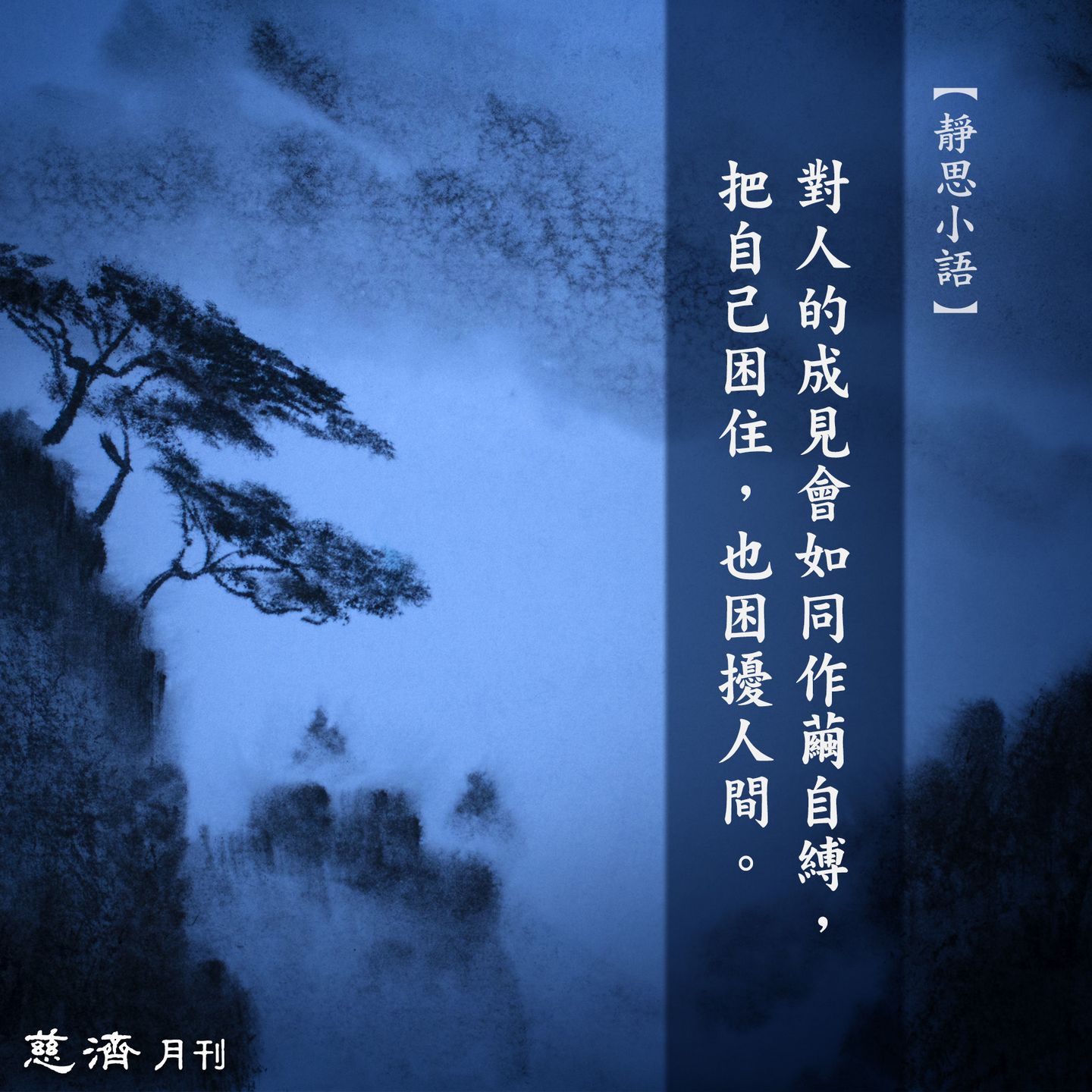
【靜思小語】對人的成見會如同作繭自縛,把自己困住,也困擾人間。

負起責任,分毫不差

四月二十九日,上人教導財務處、宗教處同仁會務方向:「要做得精準,不要怕辛苦。我們要幫助天下苦難人,但是力量不足,必須號召人人付出愛心,最重要的是淨化人心。『菩薩所緣,緣苦眾生』,有苦難才會需要愛心人救拔;了解人生苦,才會發菩薩心、行菩薩道。愛心人的捐款交託給慈濟,慈濟就要負起責任,做得很認真、很仔細,不能有分毫的差錯。」

「慈濟從一開始就是那樣認真。說起來,慈濟是很不可思議,五十幾年來有辦法從日存五毛錢起步,號召臺灣民眾行善,不知道凝聚了多少人的捐款,為臺灣所做的志業建設又付出多少?請你們整理出統計數據。因為我們一向很認真,所以數據一定做得出來,讓慈濟的信譽更為鞏固。」

撥開成見,鋪平道路

四月三十日,波蘭前線團隊與上人座談,包括盧布林陳韋辰師兄與同學、波茲南張淑兒師姊與夫婿盧卡斯先生、斯塞新瑪格麗特女士,以及在華沙的臺灣本會同仁歐友涵師兄、美國范婷師姊、土耳其胡光中與周如意師姊、西班牙高薇琍師姊。另有德國陳樹微師姊、九位英國慈濟人、美國黃思賢師兄及曾慈慧師姊等人上線參與。上人感恩大家同在此時,雖身在不同的國家地區,然皆以長情大愛共同在雲端相會,要為天下苦難人設法鋪出一條平坦道路。

「人間是有情或無情?無情的眾生造成了人間的災難;有情的人間菩薩總是為苦難人設想如何幫助他們。很期待人人都要把各自的成見撥開,人與人之間的情與愛會合起來,不分種族、宗教與國籍,手牽手、心連心,緊密互動。」

「現在有多國慈濟人到達波蘭,分別在幾個城市,彼此連結起來,雖然人數不多,不過只要我們共同一心,彼此讚歎、互愛,就可以合和互協救助苦難人。」

上人舉述一則佛典故事:有一條蛇纏繞在樹枝上,蛇頭對蛇尾說:「有我,你才能活,因為你要靠我吃東西、靠我帶頭走,你又有什麼用處呢?」蛇尾說:「如果沒有我的配合,你也不能活。」蛇頭嗤之以鼻,蛇尾緊緊纏住樹枝,讓整條蛇動彈不得,也無法覓食,就這樣僵持不下,快要餓死的時候,蛇頭向蛇尾妥協,蛇尾也向著蛇頭道歉,頭與尾相互配合,才從困境解脫。

上人說,其實許多困擾人間的事,都是人們作繭自縛,彼此因為意見不同而賭氣,卻像這條蛇一樣,把自己困住了。原本普天之下所有人可以相安無事,卻因為種種因緣而興戰事,破壞了原本和樂平安的生活,使得許多人成為難民,身心皆苦。所以說來,人生很矛盾,如同蛇頭與蛇尾原本是一體,卻不能合心,致使烽火連天,生死永別、骨肉分離,出現一幕幕悲悽的人間景象。現在要趕快呼喚人人的愛,將大愛鋪向人間;拉起人人的情,讓人間有長情、有大愛,才能會合這麼多國家的人,有共同的一念心,合力幫助苦難人。

上人不捨談到,從國際新聞看到逃難路途中,一個小小的孩子揹著背包,邊走邊哭,看了很心痛,恨不得立刻到達孩子的身邊,抱抱他、膚慰他,但是距離很遙遠,而且看到這個畫面時,孩子不知道已經走到哪裏,有沒有人收容他?能不能再與親人相聚?都不知道,只能眼睜睜看著,內心充滿無奈與無力感。

慈濟在波蘭對烏克蘭難民的援助行動,幸有幾位波蘭的慈濟志工,以及在波蘭讀書的慈大校友陳韋辰等人牽起因緣,還有不辭路遠而來的多國慈濟人投入,大家的心力會合起來,才能成就幾場發放。上人說,每一位師兄師姊都有豐富的國際賑災經驗,年輕的志工也有特長,而且能邀約同儕行善,雖然苦難人眾多,發放事務繁雜,也有諸多挑戰,但是只要有愛心、有熱忱,在大家通力合作之下,可以克服一切困難。

上人對幾位年輕的師兄師姊說:「請你們用年輕人的熱情、菩薩的愛心,在那裏發揮慈濟情;范婷和團隊也要用心記錄,讓大家看見慈濟情在人間,也見證年輕人的愛與熱情。期待大家合和互協,安撫、幫助苦難人;不論你們信仰什麼宗教,每一位都是我心中的菩薩。哪裏有苦、哪裏有災,你們總是發揮大愛長情,會合力量去救助,很感恩!請你們要與本會多聯繫,各國慈濟人要運用發達的科技通訊多交流,心要連在一起,沒有距離的隔閡。」

4.29~30《農三月‧二十九至三十》

【靜思小語】對人的成見會如同作繭自縛,把自己困住,也困擾人間。

負起責任,分毫不差

四月二十九日,上人教導財務處、宗教處同仁會務方向:「要做得精準,不要怕辛苦。我們要幫助天下苦難人,但是力量不足,必須號召人人付出愛心,最重要的是淨化人心。『菩薩所緣,緣苦眾生』,有苦難才會需要愛心人救拔;了解人生苦,才會發菩薩心、行菩薩道。愛心人的捐款交託給慈濟,慈濟就要負起責任,做得很認真、很仔細,不能有分毫的差錯。」

「慈濟從一開始就是那樣認真。說起來,慈濟是很不可思議,五十幾年來有辦法從日存五毛錢起步,號召臺灣民眾行善,不知道凝聚了多少人的捐款,為臺灣所做的志業建設又付出多少?請你們整理出統計數據。因為我們一向很認真,所以數據一定做得出來,讓慈濟的信譽更為鞏固。」

撥開成見,鋪平道路

四月三十日,波蘭前線團隊與上人座談,包括盧布林陳韋辰師兄與同學、波茲南張淑兒師姊與夫婿盧卡斯先生、斯塞新瑪格麗特女士,以及在華沙的臺灣本會同仁歐友涵師兄、美國范婷師姊、土耳其胡光中與周如意師姊、西班牙高薇琍師姊。另有德國陳樹微師姊、九位英國慈濟人、美國黃思賢師兄及曾慈慧師姊等人上線參與。上人感恩大家同在此時,雖身在不同的國家地區,然皆以長情大愛共同在雲端相會,要為天下苦難人設法鋪出一條平坦道路。

「人間是有情或無情?無情的眾生造成了人間的災難;有情的人間菩薩總是為苦難人設想如何幫助他們。很期待人人都要把各自的成見撥開,人與人之間的情與愛會合起來,不分種族、宗教與國籍,手牽手、心連心,緊密互動。」

「現在有多國慈濟人到達波蘭,分別在幾個城市,彼此連結起來,雖然人數不多,不過只要我們共同一心,彼此讚歎、互愛,就可以合和互協救助苦難人。」

上人舉述一則佛典故事:有一條蛇纏繞在樹枝上,蛇頭對蛇尾說:「有我,你才能活,因為你要靠我吃東西、靠我帶頭走,你又有什麼用處呢?」蛇尾說:「如果沒有我的配合,你也不能活。」蛇頭嗤之以鼻,蛇尾緊緊纏住樹枝,讓整條蛇動彈不得,也無法覓食,就這樣僵持不下,快要餓死的時候,蛇頭向蛇尾妥協,蛇尾也向著蛇頭道歉,頭與尾相互配合,才從困境解脫。

上人說,其實許多困擾人間的事,都是人們作繭自縛,彼此因為意見不同而賭氣,卻像這條蛇一樣,把自己困住了。原本普天之下所有人可以相安無事,卻因為種種因緣而興戰事,破壞了原本和樂平安的生活,使得許多人成為難民,身心皆苦。所以說來,人生很矛盾,如同蛇頭與蛇尾原本是一體,卻不能合心,致使烽火連天,生死永別、骨肉分離,出現一幕幕悲悽的人間景象。現在要趕快呼喚人人的愛,將大愛鋪向人間;拉起人人的情,讓人間有長情、有大愛,才能會合這麼多國家的人,有共同的一念心,合力幫助苦難人。

上人不捨談到,從國際新聞看到逃難路途中,一個小小的孩子揹著背包,邊走邊哭,看了很心痛,恨不得立刻到達孩子的身邊,抱抱他、膚慰他,但是距離很遙遠,而且看到這個畫面時,孩子不知道已經走到哪裏,有沒有人收容他?能不能再與親人相聚?都不知道,只能眼睜睜看著,內心充滿無奈與無力感。

慈濟在波蘭對烏克蘭難民的援助行動,幸有幾位波蘭的慈濟志工,以及在波蘭讀書的慈大校友陳韋辰等人牽起因緣,還有不辭路遠而來的多國慈濟人投入,大家的心力會合起來,才能成就幾場發放。上人說,每一位師兄師姊都有豐富的國際賑災經驗,年輕的志工也有特長,而且能邀約同儕行善,雖然苦難人眾多,發放事務繁雜,也有諸多挑戰,但是只要有愛心、有熱忱,在大家通力合作之下,可以克服一切困難。

上人對幾位年輕的師兄師姊說:「請你們用年輕人的熱情、菩薩的愛心,在那裏發揮慈濟情;范婷和團隊也要用心記錄,讓大家看見慈濟情在人間,也見證年輕人的愛與熱情。期待大家合和互協,安撫、幫助苦難人;不論你們信仰什麼宗教,每一位都是我心中的菩薩。哪裏有苦、哪裏有災,你們總是發揮大愛長情,會合力量去救助,很感恩!請你們要與本會多聯繫,各國慈濟人要運用發達的科技通訊多交流,心要連在一起,沒有距離的隔閡。」

全球連線浴佛 為天下祈福

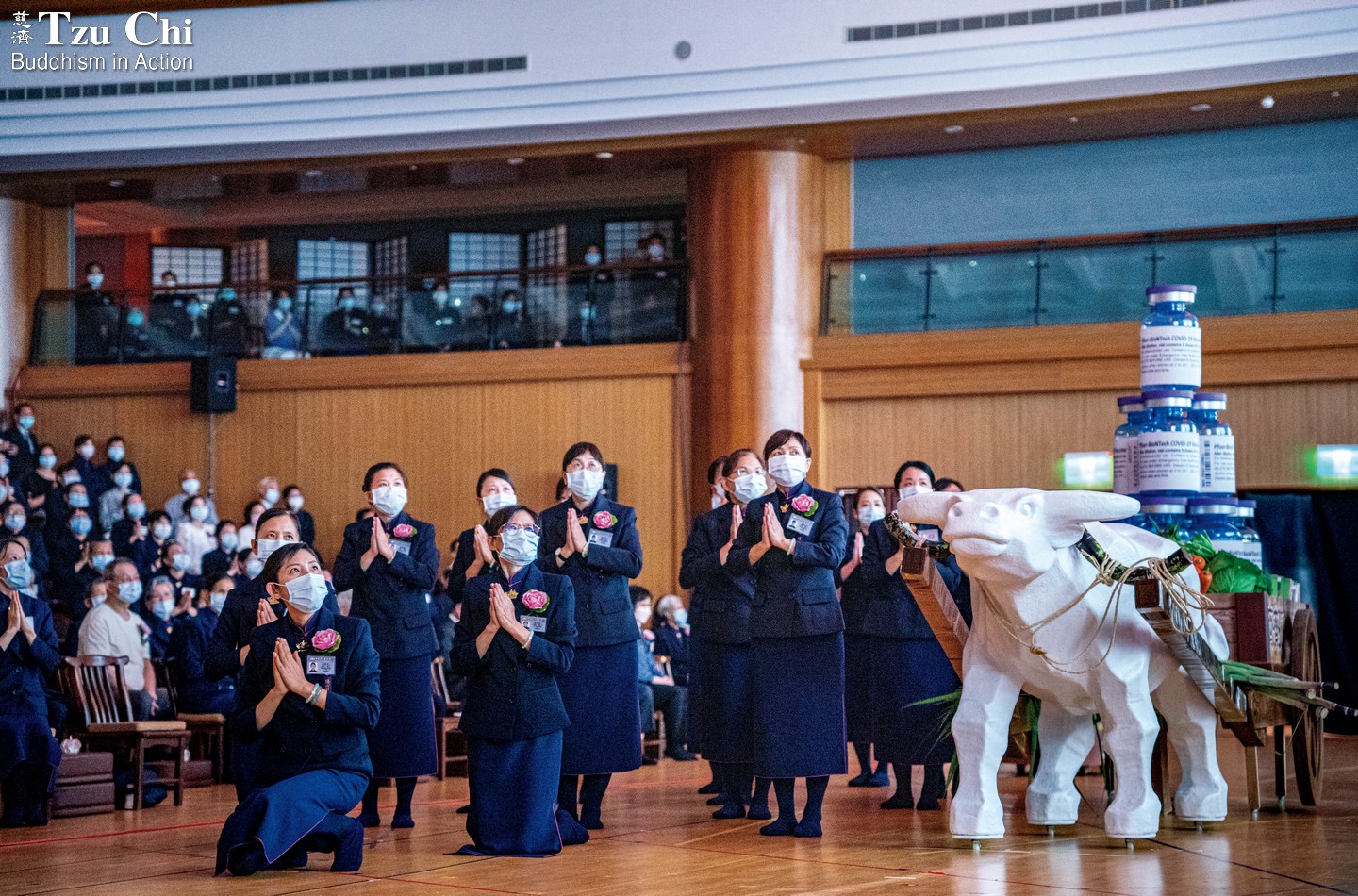
2022年母親節、佛誕節及全球慈濟日,慈濟56周年「三節合一,佛誕祈福」浴佛大典,於花蓮靜思精舍、臺北臨濟護國禪寺兩地同步連線舉行;因應新冠疫情,透過網路平臺向全球傳遞祝福,48個國家地區慈濟人、會眾雲端相會,靜思精舍法師領眾祈求疫情早日消弭,人間爭戰止息,眾生平安。

攝影‧羅明道 花蓮 2022.5.8

2022年母親節、佛誕節及全球慈濟日,慈濟56周年「三節合一,佛誕祈福」浴佛大典,於花蓮靜思精舍、臺北臨濟護國禪寺兩地同步連線舉行;因應新冠疫情,透過網路平臺向全球傳遞祝福,48個國家地區慈濟人、會眾雲端相會,靜思精舍法師領眾祈求疫情早日消弭,人間爭戰止息,眾生平安。

攝影‧羅明道 花蓮 2022.5.8

I See Far Because I Can’t See

By Huang Yu-ying
Translated by Wu Hsiao-ting
Photo by Yan Lin-zhao

His eye condition isn’t an impediment, but an impetus that propels him to reach out to people in need.

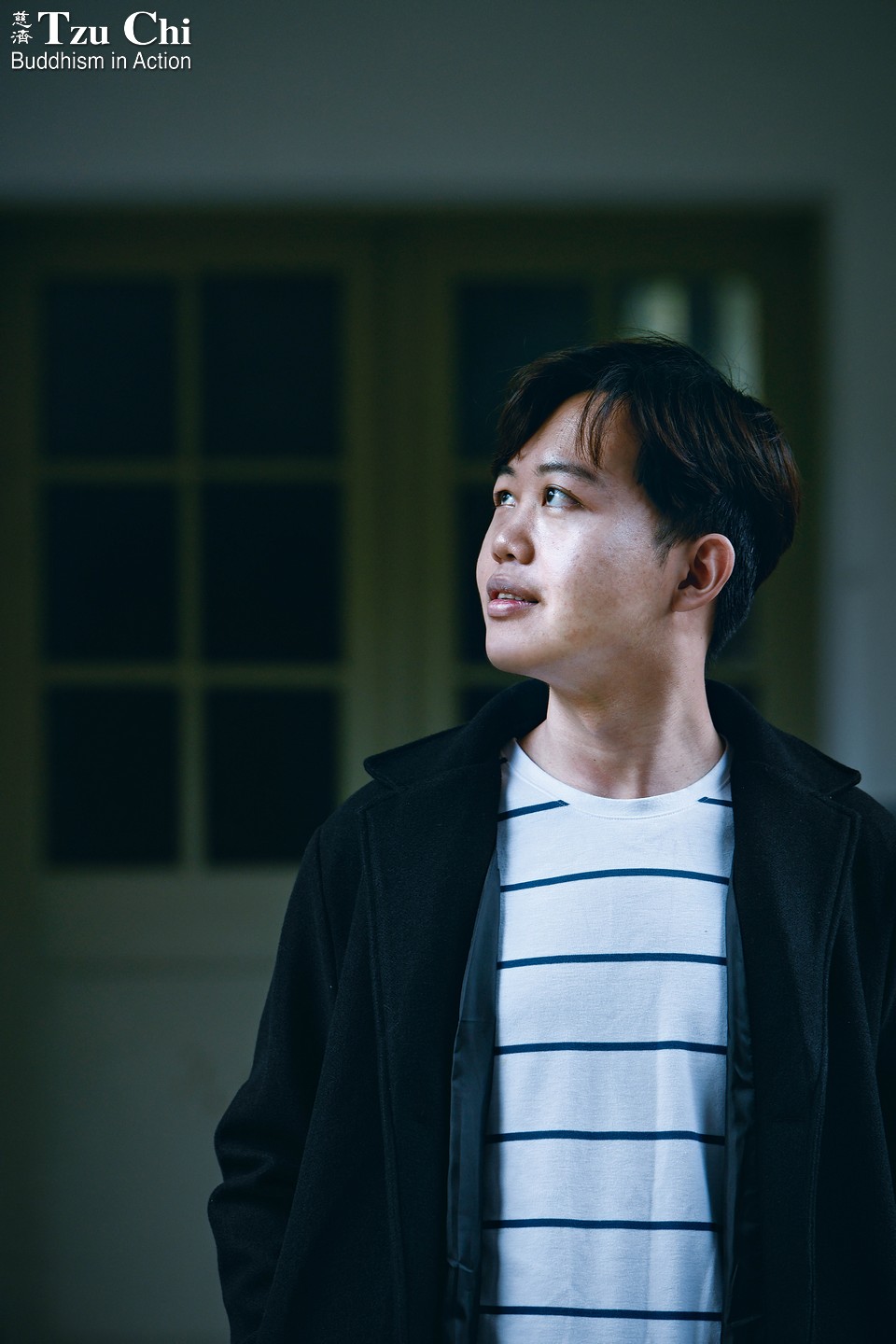
Liu Yu-chen (劉育琛) walks slower than others, but his steps are steady and sure, guided forward by a clear purpose. Setting out on foot from his dormitory at National Taiwan University (NTU), Taipei, he arrives at an MRT station, and from there travels to a seniors’ daycare center for his internship. He started interning at the daycare center in his fourth year at the university and has been doing it for a semester. He has poor vision, but that doesn’t get in the way of the work he does at the center, where he chats with older people and leads activities to improve their physical and cognitive functions. He accompanies social workers to visit seniors at home too.

Yu-chen hails from a rural region in Miaoli, northern Taiwan, but he has lived in Taipei for nearly four years. He is used to getting around on his own, and is carving out a path for himself in a big city. Even as a youngster, he valued his freedom. His visual impairment didn’t hold him back then, and he refuses to let it deter him now from pursuing the life he wants.

A lonely childhood

Yu-chen suffers from congenital retinal detachment. It’s a hereditary condition that runs in his family: his grandmother, father, and sister all suffer from the same condition too.

Despite his eye defect, he doesn’t remember feeling different from normal-sighted people when he was little. However, that changed when he started going to school and attending physical education classes. “I wore very thick eyeglasses when I was little, and when I ran on the athletic field with my classmates, they always noticed things faster than I did,” Yu-chen recalled. “It took me a lot more effort to see stuff, and so my responses were slower than others’.” As a result, he began to feel alienated by his peers. He often felt dejected and grew more and more quiet. His father, Liu Xiu-huang (劉秀煌), saw what was happening and felt deeply for him. He knew what his son was going through, because he suffered from the same eye condition. When Yu-chen got down due to pressure from schoolwork or because his grades weren’t as good as he had hoped, his dad comforted him, saying, “I’ve been there.” He never scolded him for not doing better in school.

To help Yu-chen keep up in school, his teachers, with the help of the parents’ association, purchased a video magnifier for him. With the help of that equipment, Yu-chen, nearsighted with 30 diopters, was finally able to see the writing on the blackboard. That solved a big problem he was facing at school and greatly soothed his anxiety.

But life threw him another curveball when he was in junior high. One fateful day on the school’s basketball court, a flying ball hit his eyeglasses, damaging his eyeballs. He was rushed to the hospital. Surgery saved the sight in his left eye, but his right eye gradually lost what vision it had and became nearly completely blind.

This setback meant that he’d have to expend even more time and energy on his schoolwork if he was to do a good job. Despite the extra challenge, he was undaunted and continued to work hard at school. He sat close to the blackboard in class and listened attentively to his teachers. When he was in elementary school, he had ranked first among the students in his grade. He continued to excel afterwards, winning scholarships every semester during his junior and senior high school years. Seeing his academic achievement, his classmates realized the effort he must have put in, and that led them to notice his other virtues as well. His relationship with his classmates thus became better and better.

Most precious asset

Yu-chen’s family was of limited means. Every time he received his tuition payment notification, he’d first observe whether it was a good time to ask his father for money. If his father wasn’t bringing home much money at the time, he’d put the notification away. Only when his dad had money would he take it out. Poverty was one of the reasons that pushed Yu-chen to study hard. He wanted to earn scholarships to supplement his family’s income so that his father could breathe easier.

Yu-chen’s father never put pressure on him to get good grades in school. “He’s always let me decide for myself if I wanted to do well in school, without pushing me,” Yu-chen said. He appreciated his father’s attitude, which ended up teaching him discipline and increased his confidence. Instead of becoming discouraged by his eye impairment and his family’s poverty, Yu-chen strove to do his best. His efforts paid off. He did very well on his college entrance exam, and was accepted into the Department of Social Work at NTU, one of the most prestigious universities in Taiwan, as well as the Department of Mass Communication at a private university. Though he was very interested in broadcasting, he eventually chose NTU. First, it was more affordable. Second, focusing on social work had a special appeal: “I had been helped by many people along the way, including my teachers and Tzu Chi volunteers. Studying social work might lead to more opportunities for me to give back to them or to society.”

In 2018, Yu-chen left his family in Miaoli and arrived in Taipei to begin his studies at NTU. He was originally shy, but his time at the university gradually transformed him into a confident young man. It didn’t take him long to decide on his future career path. He had seen how rapidly Taiwanese society was aging, and so he decided to pursue a career in long-term care for the elderly. “I’ve seen the hair of the Tzu Chi volunteers who have been caring for my family change from black to white over the years,” he said. “Now it is my turn to take care of them.”

Volunteer Wu Yu-cai (吳玉彩) explained that she and her fellow volunteers started visiting Yu-chen and his family in 2013. In addition to caring for the family, they applied for Tzu Chi New Shoots Scholarships for Yu-chen every year. Tzu Chi started the scholarship program in 2007 to encourage students from underprivileged families to apply themselves in school, nurture good character, and bravely pursue their dreams. Recipients range from elementary to graduate school levels. “Yu-chen was an excellent student and won in the category of scholarly accomplishments for eight years straight,” Wu said.

In 2020, Yu-chen was even asked to give a short speech at a New Shoots Scholarship award ceremony. Volunteers felt he could serve as a model for everyone. “None of us got to choose what kind of family we were born into,” he said to his fellow recipients in the audience. “Our lives might be more difficult than others’, but that also brings out more courage in us. I hope that when you grow up, you can step up here on this stage and share with everyone how you’ve overcome the hardship that life threw at you and how you’ve done your best despite everything. Working hard to overcome all the obstacles before you will one day become your most unique and precious asset.”

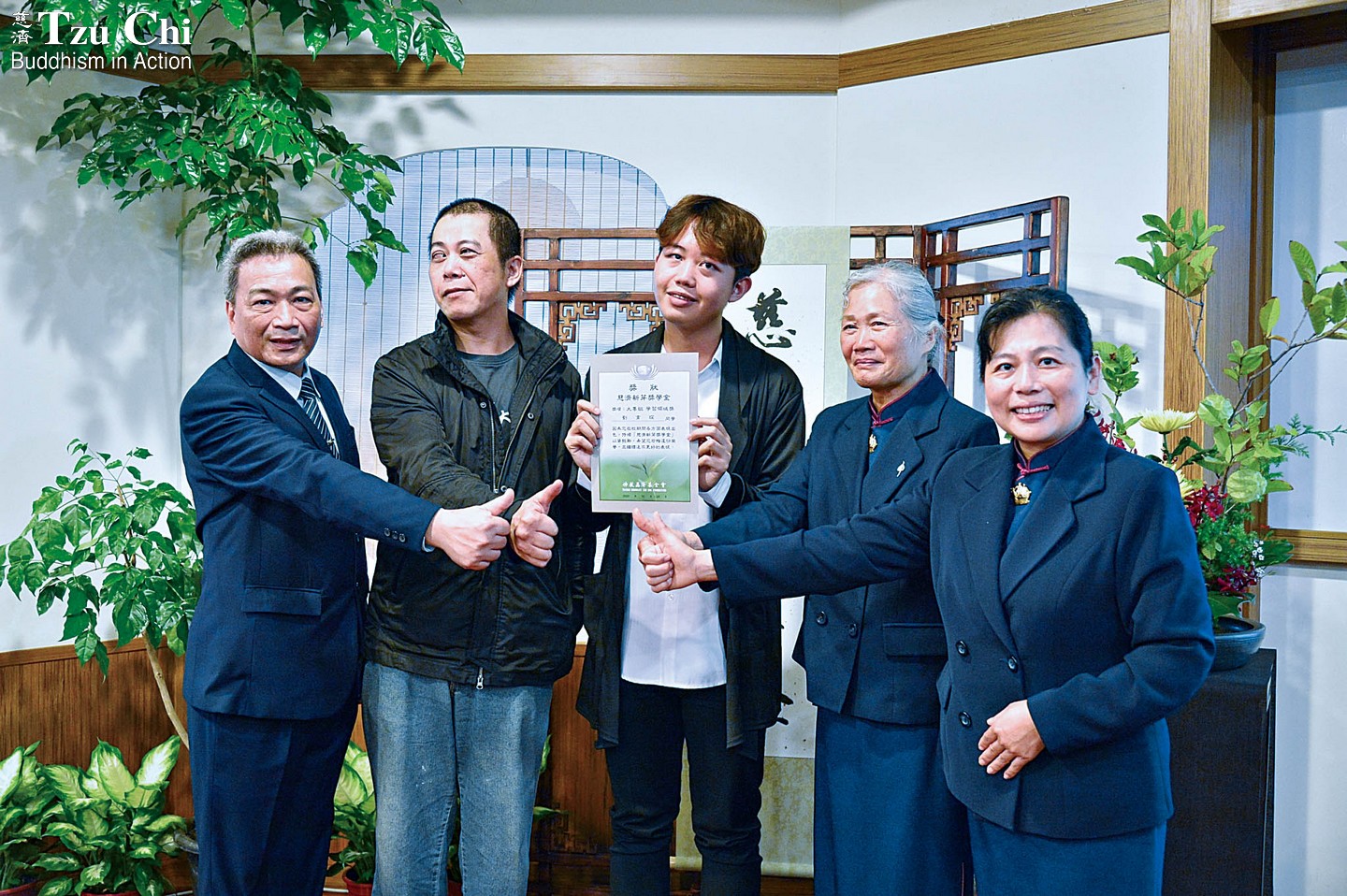
Liu Yu-chen (middle) and his father, Xiu-huang (second from left), pose with Wu Yu-cai (second from right) and other Tzu Chi volunteers in a New Shoots Scholarship award ceremony in 2020. Ou Ming-da

Reaching out to the vulnerable

Yu-chen is more than just an excellent student—he devotes a lot of his energy to social services too. He volunteers through a school club at NTU as a tutor for students at Dongyin Elementary and Junior High School, located on an offshore island of Taiwan. He teaches youngsters there with the help of videoconferencing. When he was a sophomore, he founded a club at NTU dedicated to the care of the homeless. Members of the club began serving street people in December 2019. “For us college students,” Yu-chen said, “the homeless are a very special group, and one of the most vulnerable, destitute, and disadvantaged groups in society.”

As part of the club’s work, Yu-chen and other members visit the homeless at Taipei Main Station and distribute clothes and other basic necessities they have collected. They don’t just leave the stuff and walk away, but take the time to sit and chat with the homeless. They get to know the street people better through such chats.

Yu-chen and his fellow club members have distributed necessities to the homeless many times over the last two years. They also give out boxed meals and work towards having the public accept the homeless.

Yu-chen is in charge of public relations for the club. He handles speaking invitations and raises money for their work. The club is doing pretty well; its fan page on Facebook has more than 9,000 followers.

Yu-chen has discovered through his work for the homeless that some of them have had life experiences similar to his. For a long time when he was a child, he’d return home from school when his father was still away at work. When he felt hungry, he had no money on him to buy food to eat and could only starve. He remembers to this day his hunger pangs at the time. Experiences like this make it easier for him to empathize with the needy.

Every obstacle is a chance for growth

Yu-chen has lived a life that’s been harder than most, but he views the challenges he has encountered as opportunities that help him grow. He says it’s like playing a video game with different difficulty levels. If you choose the easy level, you might breeze through the game without any hassle. But you feel a greater sense of achievement when you take the challenge of the difficult level and successfully work through it. “My life was set at a difficult level from the start,” Yu-chen said, “but I accepted the challenges and kept working through them. I believed that if I persevered, I’d be richly rewarded at the end. There’s nothing wrong with an easy life, but every bend in the road gives you an opportunity to grow.”

When he was little, he couldn’t understand why he was different from others. He was caught in a tangled web of doubt. It wasn’t until he became a fifth grader that things began to change. That year, he was recommended by people with the Taiwan Fund for Children and Families, a nonprofit organization that provides services to vulnerable children and families, for some competitions and outdoor activities. He won some awards, but more importantly, he met other children facing serious obstacles, just like him. It was only then that he realized he wasn’t fighting alone. In addition, he had the extra support of a family and a home.

“I’ve learned via my work for the homeless that their definition of home is not just a place where they can sleep and shelter from the elements,” Yu-chen said. He’s observed that some street people actually have homes to which they could return, but they choose not to. These people choose to stay on the streets because they feel the streets are their real home—they have friends there and feel an emotional connection there. “It’s the same with me. My dormitory, for example, is a place where I can sleep and be protected from the elements, but it is not home. Home is where there are people waiting for me to return.”

Yu-chen feels blessed because his parents love him very much. Getting by might not be easy for them, but their family is happy together.

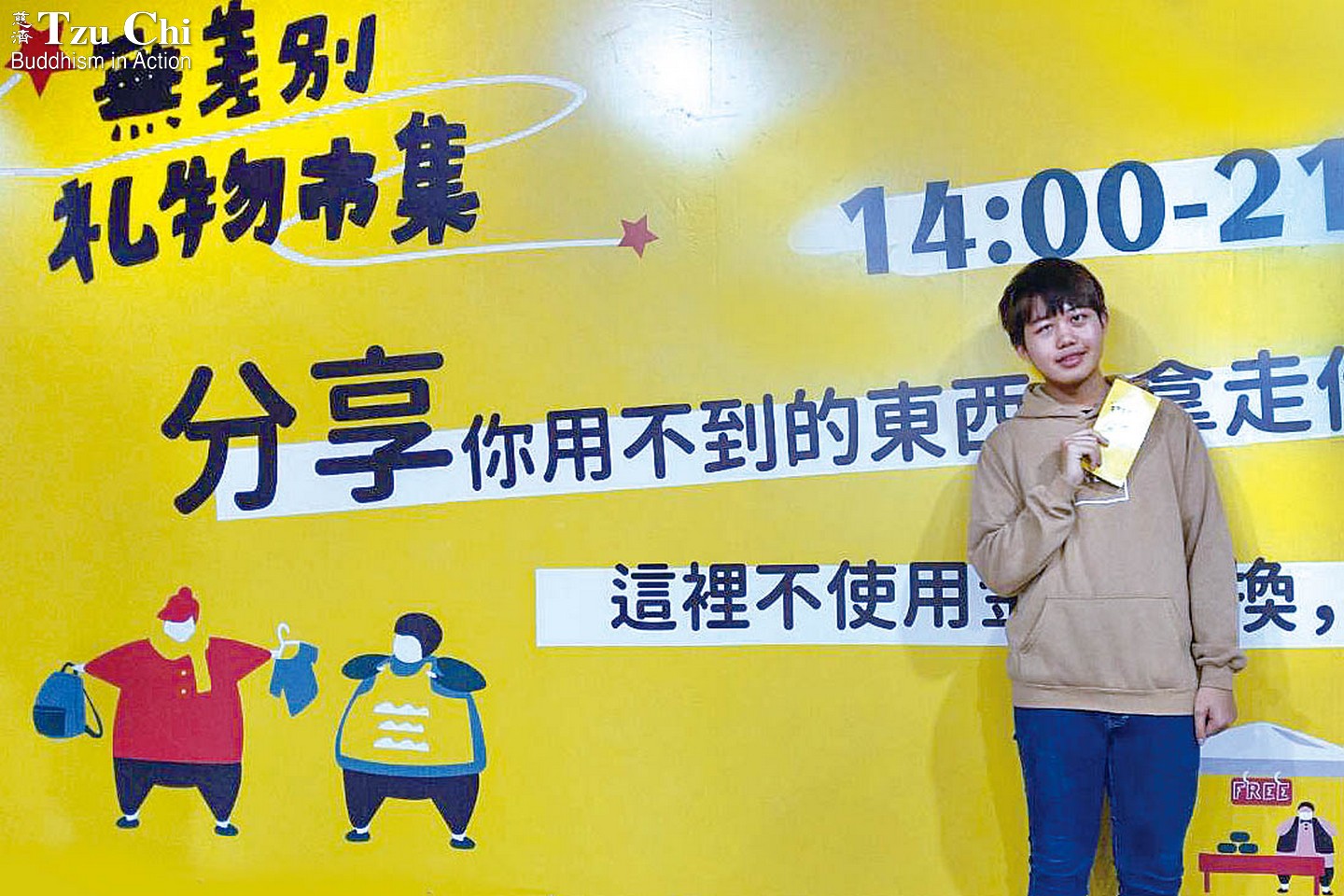
Liu Yu-chen stands in front of a poster for a bazaar he organized. He encouraged his schoolmates to donate things they did not need to share with others at the bazaar. Courtesy of Liu Yu-chen

Love from all around

In August 2021, Yu-chen won the Presidential Education Award for his courage and perseverance in the face of adversity and for making himself shine against all odds. He received help from many people in the process of applying for the award. His teachers, classmates, and people from the Taiwan Fund for Children and Families helped him prepare the required data; social workers at the Tzu Chi Taichung office in central Taiwan wrote a letter of recommendation for him; and Tzu Chi volunteers even accompanied him to be interviewed by the selection committee for the award. Yu-chen knows how integral all this support was in garnering the award. He keeps in mind every bit of help he received and plans to give back one day. “Receiving the Presidential Education Award doesn’t mean I’ve reached the end of my journey,” Yu-chen emphasized. “Instead, it means that I should strive to do more for society and help more underprivileged groups to be seen and heard.”

Tzu Chi social workers and volunteers have been there for Yu-chen and his family for eight years. They have witnessed how Yu-chen surmounted his learning challenges, transcended his limitations, and overcame doubts about himself to ultimately get into a prestigious university. What impressed them even more was how he uses his positive energy to influence people around him. Ji Wan-ting (紀婉婷), a social worker at the Tzu Chi Taichung office, often discusses events or articles related to social services with Yu-chen in her free time. She cares for him like an older sister.

She remembers the panic buying of disinfectant alcohol and personal protective equipment that occurred in Taiwan when COVID-19 cases started emerging in northern Taiwan in 2020 and a spike in confirmed infections and deaths was reported abroad. The result was a shortage of such goods. Yu-chen was among those who couldn’t obtain such items. Ji considered that since Yu-chen was living in Taipei, where the coronavirus situation was more severe, he would need such supplies more than she did. So she packed some disinfectant alcohol, alcohol hand wipes, and vitamins she had at home into a large box and mailed it to Yu-chen to help protect him and ease his mind.

Ji has nothing but good things to say about Yu-chen. She’s never heard him complain about anything, nor does he let his achievements go to his head. He is studious and eager to improve himself. Besides his major in university, he does his best to broaden his knowledge in other fields of study. “He takes full responsibility for his life, and reaches out to help others,” Ji commented. “I believe that the love and nurture he has received from Tzu Chi volunteers will become important nutrients for him on his future life path. We, on the other hand, are inspired to see him paying forward the love and kindness he has received from others.”

Set on helping others

Yu-chen is graduating from university this summer, but he has already tested into NTU’s Graduate Institute of Social Work, so he will stay on in school. He has drawn up a blueprint for his future. Now interning at a seniors’ daycare center, he is looking forward to carrying out research work on long-term care for the elderly, hoping to improve Taiwan’s care for older people by improving the government’s policies in this area.

The course load in graduate school will be more challenging, but Yu-chen is ready to take it on. “I’ve learned how to better manage my time since high school,” he said. “I set aside time for things I need to do, dividing my tasks and dedicating specific time blocks for each of them.” He can’t spend long periods of time reading or using a computer because of his poor eyesight, but organizing his time and spreading out his workload this way prevents him from putting too much of a strain on his eyes at any one time. It even increases his efficiency.

When asked to rate his performance so far, he said, “I give myself 80 points [out of 100].” In his mind, he still has many unfinished tasks and dreams to fulfill. He wants to do more for the homeless and to provide them with more in-depth services. He wants to do more for other sectors of society too.

Thank you for telling me you believe in me So that my dream stops being just a dream.
Let’s face the future together
And work for every tomorrow.

During an interview on Tzu Chi’s Da Ai e-Radio, Yu-chen sang the song “Thank you” to express his gratitude to everyone who has helped him along the way. Such people included his teachers through his school years, people from charity organizations, and social welfare workers. He also pledged to continue working for Taiwan’s society. “Others ‘see’ me because I can’t see,” he said. “I’ll try to ‘see’ and reach out to more people as best I can as I continue down life’s path.”

By Huang Yu-ying
Translated by Wu Hsiao-ting
Photo by Yan Lin-zhao

His eye condition isn’t an impediment, but an impetus that propels him to reach out to people in need.

Liu Yu-chen (劉育琛) walks slower than others, but his steps are steady and sure, guided forward by a clear purpose. Setting out on foot from his dormitory at National Taiwan University (NTU), Taipei, he arrives at an MRT station, and from there travels to a seniors’ daycare center for his internship. He started interning at the daycare center in his fourth year at the university and has been doing it for a semester. He has poor vision, but that doesn’t get in the way of the work he does at the center, where he chats with older people and leads activities to improve their physical and cognitive functions. He accompanies social workers to visit seniors at home too.

Yu-chen hails from a rural region in Miaoli, northern Taiwan, but he has lived in Taipei for nearly four years. He is used to getting around on his own, and is carving out a path for himself in a big city. Even as a youngster, he valued his freedom. His visual impairment didn’t hold him back then, and he refuses to let it deter him now from pursuing the life he wants.

A lonely childhood

Yu-chen suffers from congenital retinal detachment. It’s a hereditary condition that runs in his family: his grandmother, father, and sister all suffer from the same condition too.

Despite his eye defect, he doesn’t remember feeling different from normal-sighted people when he was little. However, that changed when he started going to school and attending physical education classes. “I wore very thick eyeglasses when I was little, and when I ran on the athletic field with my classmates, they always noticed things faster than I did,” Yu-chen recalled. “It took me a lot more effort to see stuff, and so my responses were slower than others’.” As a result, he began to feel alienated by his peers. He often felt dejected and grew more and more quiet. His father, Liu Xiu-huang (劉秀煌), saw what was happening and felt deeply for him. He knew what his son was going through, because he suffered from the same eye condition. When Yu-chen got down due to pressure from schoolwork or because his grades weren’t as good as he had hoped, his dad comforted him, saying, “I’ve been there.” He never scolded him for not doing better in school.

To help Yu-chen keep up in school, his teachers, with the help of the parents’ association, purchased a video magnifier for him. With the help of that equipment, Yu-chen, nearsighted with 30 diopters, was finally able to see the writing on the blackboard. That solved a big problem he was facing at school and greatly soothed his anxiety.

But life threw him another curveball when he was in junior high. One fateful day on the school’s basketball court, a flying ball hit his eyeglasses, damaging his eyeballs. He was rushed to the hospital. Surgery saved the sight in his left eye, but his right eye gradually lost what vision it had and became nearly completely blind.

This setback meant that he’d have to expend even more time and energy on his schoolwork if he was to do a good job. Despite the extra challenge, he was undaunted and continued to work hard at school. He sat close to the blackboard in class and listened attentively to his teachers. When he was in elementary school, he had ranked first among the students in his grade. He continued to excel afterwards, winning scholarships every semester during his junior and senior high school years. Seeing his academic achievement, his classmates realized the effort he must have put in, and that led them to notice his other virtues as well. His relationship with his classmates thus became better and better.

Most precious asset

Yu-chen’s family was of limited means. Every time he received his tuition payment notification, he’d first observe whether it was a good time to ask his father for money. If his father wasn’t bringing home much money at the time, he’d put the notification away. Only when his dad had money would he take it out. Poverty was one of the reasons that pushed Yu-chen to study hard. He wanted to earn scholarships to supplement his family’s income so that his father could breathe easier.

Yu-chen’s father never put pressure on him to get good grades in school. “He’s always let me decide for myself if I wanted to do well in school, without pushing me,” Yu-chen said. He appreciated his father’s attitude, which ended up teaching him discipline and increased his confidence. Instead of becoming discouraged by his eye impairment and his family’s poverty, Yu-chen strove to do his best. His efforts paid off. He did very well on his college entrance exam, and was accepted into the Department of Social Work at NTU, one of the most prestigious universities in Taiwan, as well as the Department of Mass Communication at a private university. Though he was very interested in broadcasting, he eventually chose NTU. First, it was more affordable. Second, focusing on social work had a special appeal: “I had been helped by many people along the way, including my teachers and Tzu Chi volunteers. Studying social work might lead to more opportunities for me to give back to them or to society.”

In 2018, Yu-chen left his family in Miaoli and arrived in Taipei to begin his studies at NTU. He was originally shy, but his time at the university gradually transformed him into a confident young man. It didn’t take him long to decide on his future career path. He had seen how rapidly Taiwanese society was aging, and so he decided to pursue a career in long-term care for the elderly. “I’ve seen the hair of the Tzu Chi volunteers who have been caring for my family change from black to white over the years,” he said. “Now it is my turn to take care of them.”

Volunteer Wu Yu-cai (吳玉彩) explained that she and her fellow volunteers started visiting Yu-chen and his family in 2013. In addition to caring for the family, they applied for Tzu Chi New Shoots Scholarships for Yu-chen every year. Tzu Chi started the scholarship program in 2007 to encourage students from underprivileged families to apply themselves in school, nurture good character, and bravely pursue their dreams. Recipients range from elementary to graduate school levels. “Yu-chen was an excellent student and won in the category of scholarly accomplishments for eight years straight,” Wu said.

In 2020, Yu-chen was even asked to give a short speech at a New Shoots Scholarship award ceremony. Volunteers felt he could serve as a model for everyone. “None of us got to choose what kind of family we were born into,” he said to his fellow recipients in the audience. “Our lives might be more difficult than others’, but that also brings out more courage in us. I hope that when you grow up, you can step up here on this stage and share with everyone how you’ve overcome the hardship that life threw at you and how you’ve done your best despite everything. Working hard to overcome all the obstacles before you will one day become your most unique and precious asset.”

Liu Yu-chen (middle) and his father, Xiu-huang (second from left), pose with Wu Yu-cai (second from right) and other Tzu Chi volunteers in a New Shoots Scholarship award ceremony in 2020. Ou Ming-da

Reaching out to the vulnerable

Yu-chen is more than just an excellent student—he devotes a lot of his energy to social services too. He volunteers through a school club at NTU as a tutor for students at Dongyin Elementary and Junior High School, located on an offshore island of Taiwan. He teaches youngsters there with the help of videoconferencing. When he was a sophomore, he founded a club at NTU dedicated to the care of the homeless. Members of the club began serving street people in December 2019. “For us college students,” Yu-chen said, “the homeless are a very special group, and one of the most vulnerable, destitute, and disadvantaged groups in society.”

As part of the club’s work, Yu-chen and other members visit the homeless at Taipei Main Station and distribute clothes and other basic necessities they have collected. They don’t just leave the stuff and walk away, but take the time to sit and chat with the homeless. They get to know the street people better through such chats.

Yu-chen and his fellow club members have distributed necessities to the homeless many times over the last two years. They also give out boxed meals and work towards having the public accept the homeless.

Yu-chen is in charge of public relations for the club. He handles speaking invitations and raises money for their work. The club is doing pretty well; its fan page on Facebook has more than 9,000 followers.

Yu-chen has discovered through his work for the homeless that some of them have had life experiences similar to his. For a long time when he was a child, he’d return home from school when his father was still away at work. When he felt hungry, he had no money on him to buy food to eat and could only starve. He remembers to this day his hunger pangs at the time. Experiences like this make it easier for him to empathize with the needy.

Every obstacle is a chance for growth

Yu-chen has lived a life that’s been harder than most, but he views the challenges he has encountered as opportunities that help him grow. He says it’s like playing a video game with different difficulty levels. If you choose the easy level, you might breeze through the game without any hassle. But you feel a greater sense of achievement when you take the challenge of the difficult level and successfully work through it. “My life was set at a difficult level from the start,” Yu-chen said, “but I accepted the challenges and kept working through them. I believed that if I persevered, I’d be richly rewarded at the end. There’s nothing wrong with an easy life, but every bend in the road gives you an opportunity to grow.”

When he was little, he couldn’t understand why he was different from others. He was caught in a tangled web of doubt. It wasn’t until he became a fifth grader that things began to change. That year, he was recommended by people with the Taiwan Fund for Children and Families, a nonprofit organization that provides services to vulnerable children and families, for some competitions and outdoor activities. He won some awards, but more importantly, he met other children facing serious obstacles, just like him. It was only then that he realized he wasn’t fighting alone. In addition, he had the extra support of a family and a home.

“I’ve learned via my work for the homeless that their definition of home is not just a place where they can sleep and shelter from the elements,” Yu-chen said. He’s observed that some street people actually have homes to which they could return, but they choose not to. These people choose to stay on the streets because they feel the streets are their real home—they have friends there and feel an emotional connection there. “It’s the same with me. My dormitory, for example, is a place where I can sleep and be protected from the elements, but it is not home. Home is where there are people waiting for me to return.”

Yu-chen feels blessed because his parents love him very much. Getting by might not be easy for them, but their family is happy together.

Liu Yu-chen stands in front of a poster for a bazaar he organized. He encouraged his schoolmates to donate things they did not need to share with others at the bazaar. Courtesy of Liu Yu-chen

Love from all around

In August 2021, Yu-chen won the Presidential Education Award for his courage and perseverance in the face of adversity and for making himself shine against all odds. He received help from many people in the process of applying for the award. His teachers, classmates, and people from the Taiwan Fund for Children and Families helped him prepare the required data; social workers at the Tzu Chi Taichung office in central Taiwan wrote a letter of recommendation for him; and Tzu Chi volunteers even accompanied him to be interviewed by the selection committee for the award. Yu-chen knows how integral all this support was in garnering the award. He keeps in mind every bit of help he received and plans to give back one day. “Receiving the Presidential Education Award doesn’t mean I’ve reached the end of my journey,” Yu-chen emphasized. “Instead, it means that I should strive to do more for society and help more underprivileged groups to be seen and heard.”

Tzu Chi social workers and volunteers have been there for Yu-chen and his family for eight years. They have witnessed how Yu-chen surmounted his learning challenges, transcended his limitations, and overcame doubts about himself to ultimately get into a prestigious university. What impressed them even more was how he uses his positive energy to influence people around him. Ji Wan-ting (紀婉婷), a social worker at the Tzu Chi Taichung office, often discusses events or articles related to social services with Yu-chen in her free time. She cares for him like an older sister.

She remembers the panic buying of disinfectant alcohol and personal protective equipment that occurred in Taiwan when COVID-19 cases started emerging in northern Taiwan in 2020 and a spike in confirmed infections and deaths was reported abroad. The result was a shortage of such goods. Yu-chen was among those who couldn’t obtain such items. Ji considered that since Yu-chen was living in Taipei, where the coronavirus situation was more severe, he would need such supplies more than she did. So she packed some disinfectant alcohol, alcohol hand wipes, and vitamins she had at home into a large box and mailed it to Yu-chen to help protect him and ease his mind.

Ji has nothing but good things to say about Yu-chen. She’s never heard him complain about anything, nor does he let his achievements go to his head. He is studious and eager to improve himself. Besides his major in university, he does his best to broaden his knowledge in other fields of study. “He takes full responsibility for his life, and reaches out to help others,” Ji commented. “I believe that the love and nurture he has received from Tzu Chi volunteers will become important nutrients for him on his future life path. We, on the other hand, are inspired to see him paying forward the love and kindness he has received from others.”

Set on helping others

Yu-chen is graduating from university this summer, but he has already tested into NTU’s Graduate Institute of Social Work, so he will stay on in school. He has drawn up a blueprint for his future. Now interning at a seniors’ daycare center, he is looking forward to carrying out research work on long-term care for the elderly, hoping to improve Taiwan’s care for older people by improving the government’s policies in this area.

The course load in graduate school will be more challenging, but Yu-chen is ready to take it on. “I’ve learned how to better manage my time since high school,” he said. “I set aside time for things I need to do, dividing my tasks and dedicating specific time blocks for each of them.” He can’t spend long periods of time reading or using a computer because of his poor eyesight, but organizing his time and spreading out his workload this way prevents him from putting too much of a strain on his eyes at any one time. It even increases his efficiency.

When asked to rate his performance so far, he said, “I give myself 80 points [out of 100].” In his mind, he still has many unfinished tasks and dreams to fulfill. He wants to do more for the homeless and to provide them with more in-depth services. He wants to do more for other sectors of society too.

Thank you for telling me you believe in me So that my dream stops being just a dream.
Let’s face the future together
And work for every tomorrow.

During an interview on Tzu Chi’s Da Ai e-Radio, Yu-chen sang the song “Thank you” to express his gratitude to everyone who has helped him along the way. Such people included his teachers through his school years, people from charity organizations, and social welfare workers. He also pledged to continue working for Taiwan’s society. “Others ‘see’ me because I can’t see,” he said. “I’ll try to ‘see’ and reach out to more people as best I can as I continue down life’s path.”

關鍵字

Tzu Chi Events Around the World

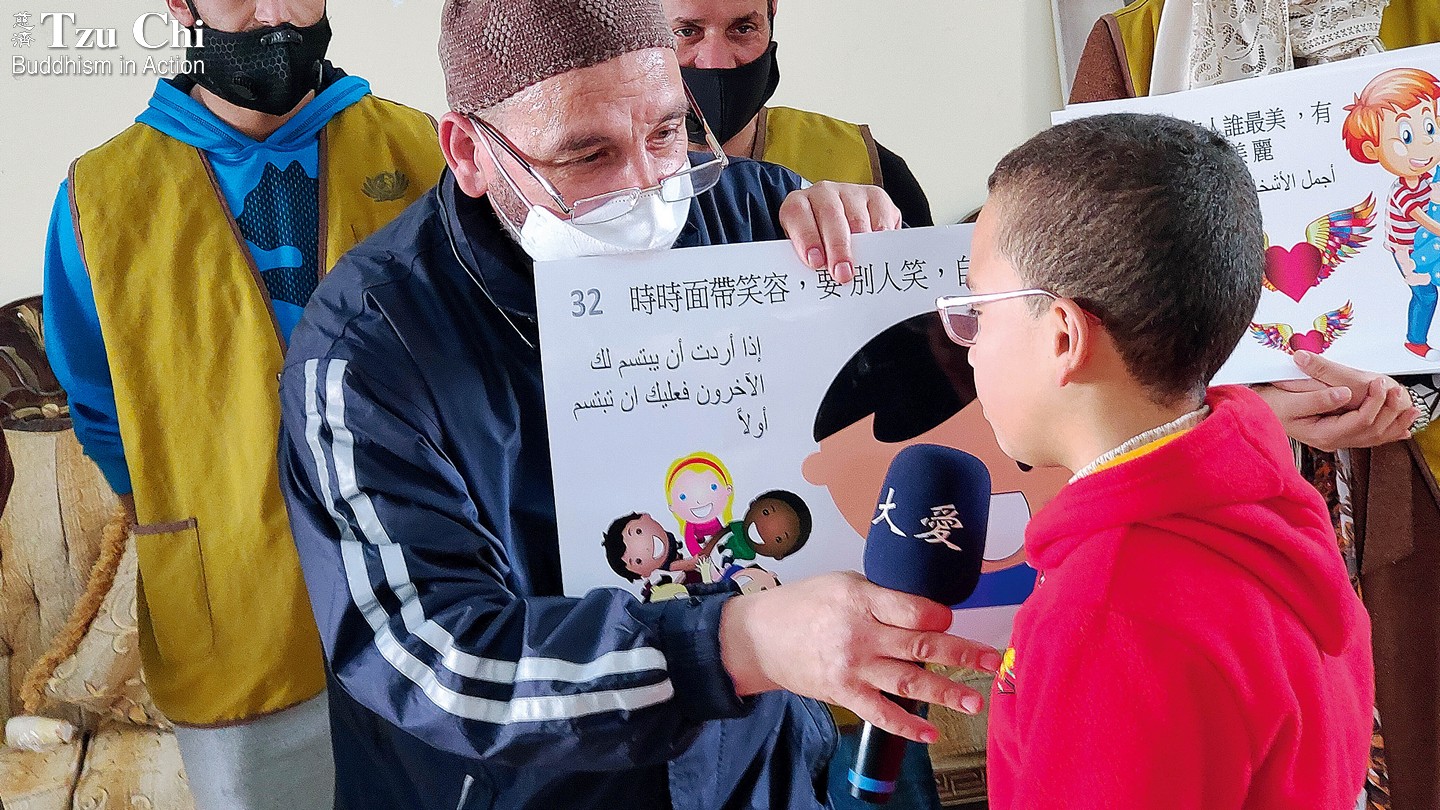
Volunteer Mohammed Kheir Alrozz shares aphorisms by Master Cheng Yen with children on-site at an aid distribution held in Dirar Bin Al Azwar, the Jordan Valley. Courtesy of Tzu Chi Jordan

Jordan

On February 18, 2022, Tzu Chi Jordan conducted three distributions in the Jordan Valley to help needy families cope during the coronavirus pandemic. The events were held in Fannoush, Dirar Bin Al Azwar, and Karaimah.

After driving one and a half hours from Amman, a team of 13 volunteers arrived in the valley with rice, sugar, cooking oil, lentils, dates, cheese, black tea bags, and other food to be given out to the underserved. They also had prepared jackets for children. During the distributions, volunteers helped the recipient children into their new jackets.

Volunteers brought spiritual nourishment to the youngsters in addition to the jackets. Mohammed Kheir Alrozz shared aphorisms by Dharma Master Cheng Yen with them, hoping to convey positive messages such as altruism, kindness, and compassion. The young ones responded warmly as they learned one wise saying after another, such as: “Kind words are like lotus flowers blooming out from your mouth; bad words are like poisonous snakes hissing out from your lips” and “Wear a smile. If you want others to smile, you must smile first.”

All told, 600 families benefited from the food distributions, and 300 children received jackets. Seeing aid recipients leave for home laden with supplies filled volunteers with gratitude for having had the opportunity to help lighten their financial burdens.

A Tzu Chi distribution conducted on February 26, 2022, for tornado victims in Dawson Springs, Kentucky, USA Lin Jun-zhi

The United States

Tzu Chi USA completed six distributions right before Christmas for 455 families after a string of tornadoes ripped through parts of America’s Midwest and South in December 2021. Volunteers were mobilized again in February 2022 to bring aid to more families impacted by the disaster.

Aid was delivered this time to Dawson Springs, a city in Kentucky up to 75 percent of which was destroyed. Two distributions were held there on February 25 and 26. Volunteers distributed cash cards worth a thousand U.S. dollars each, blankets, scarves, and other items. A number of tornado victims from Mayfield and Bowling Green, Kentucky, who had received aid from Tzu Chi in December 2021 came to Dawson Springs to help. Even though they were still rebuilding their homes, they had been inspired by Tzu Chi volunteers’ spirit of service in earlier distributions and came in that same spirit to serve their fellow tornado victims.

More than delivering the physical aid, volunteers hoped to bring love and care to the less fortunate. Their kind intentions were not lost on the people who came to the distributions. Vicky Hamby, one of the aid recipients, said that she received a $1,000 cash card, a blanket, a scarf, and “a lot of friendly faces” at the venue. “It gives me a lot of hope and encouragement to know that there are still good people that care about people that are hurting,” said Hamby.

More than two months had passed since the tornado disaster, but survivors were still emotional when they recounted that frightening experience. Deloris Williams was buried under rubble in the aftermath of the calamity, and she couldn’t move or yell for help because her mouth was full of debris. Fortunately, people found her and got her out. “And… I’m just thankful to be alive,“ she said. She added that at the distribution venue, she received “kind words, sympathy, and empathy” from people who really cared for others that had lost everything. “This, right here, from you all,” she said, holding up an envelope containing a cash card from Tzu Chi, “is a big help, and I mean it when I say, ‘Thank you.’”

The distributions on the two days helped 435 families (1,016 people). Forty-two volunteers from Chicago, Detroit, St. Louis, and other places together pulled off the events. Many beneficiary families took home coin banks to save money for charitable donations, setting into motion a cycle of goodness.

Indonesia

The economic fallout of the COVID-19 pandemic has affected many needy families. Tzu Chi Indonesia distributed food in April to many households in the nation to help vulnerable people have a better Eid al-Fitr, the Muslim festival which marks the end of the holy month of Ramadan.

Two distributions took place on April 2 and 3 in Sunter Agung, Tanjung Priok, North Jakarta, and Semanan, Kalideres, West Jakarta. One thousand seven hundred and seventy-six families each received ten kilograms (22 pounds) of rice and ten packets of noodles.

Ngatimin is a resident of Sunter Agung. He lives with his wife and two children. After receiving his share of the food from Tzu Chi, he immediately headed back home to take care of his wife, who had had a stroke three weeks earlier. He had been running the household in addition to working to make a living since his wife’s stroke. Tzu Chi’s aid brought comfort to him. “I’m thankful to receive this blessing from Tzu Chi,” he observed. “We can save the money we originally intended to use to buy rice and spend it elsewhere. The rice from you will be enough to last my family for about 20 days.” Ngatimin likes to watch Master Cheng Yen’s televised Dharma talks. He said that the Master’s teachings speak to him and give a lot of encouragement to people like him who find it difficult to get by. “Though I believe in a different religion than Buddhism, I find the Master’s teachings inspiring.”

Siti Fatimah, another aid recipient, lives in Semanan. Her husband passed away three years before. Since then, she’s supported her family by working as a washerwoman and a domestic helper. She has six children, some of whom are grown and have moved out and started their own families. She makes 800,000 rupiah (US$55) a month. That money has to pay their rent, her children’s school fees, and their other expenses, so she has to pinch every penny to make ends meet. That’s why she was very happy to receive the food from Tzu Chi.

Faced with rising prices and a pandemic that hasn’t ended yet, needy people can use all the help they can get. Tzu Chi Indonesia had distributed food aid to more than 25,000 families by April 14.


Volunteer Mohammed Kheir Alrozz shares aphorisms by Master Cheng Yen with children on-site at an aid distribution held in Dirar Bin Al Azwar, the Jordan Valley. Courtesy of Tzu Chi Jordan

Jordan

On February 18, 2022, Tzu Chi Jordan conducted three distributions in the Jordan Valley to help needy families cope during the coronavirus pandemic. The events were held in Fannoush, Dirar Bin Al Azwar, and Karaimah.

After driving one and a half hours from Amman, a team of 13 volunteers arrived in the valley with rice, sugar, cooking oil, lentils, dates, cheese, black tea bags, and other food to be given out to the underserved. They also had prepared jackets for children. During the distributions, volunteers helped the recipient children into their new jackets.

Volunteers brought spiritual nourishment to the youngsters in addition to the jackets. Mohammed Kheir Alrozz shared aphorisms by Dharma Master Cheng Yen with them, hoping to convey positive messages such as altruism, kindness, and compassion. The young ones responded warmly as they learned one wise saying after another, such as: “Kind words are like lotus flowers blooming out from your mouth; bad words are like poisonous snakes hissing out from your lips” and “Wear a smile. If you want others to smile, you must smile first.”

All told, 600 families benefited from the food distributions, and 300 children received jackets. Seeing aid recipients leave for home laden with supplies filled volunteers with gratitude for having had the opportunity to help lighten their financial burdens.

A Tzu Chi distribution conducted on February 26, 2022, for tornado victims in Dawson Springs, Kentucky, USA Lin Jun-zhi

The United States

Tzu Chi USA completed six distributions right before Christmas for 455 families after a string of tornadoes ripped through parts of America’s Midwest and South in December 2021. Volunteers were mobilized again in February 2022 to bring aid to more families impacted by the disaster.

Aid was delivered this time to Dawson Springs, a city in Kentucky up to 75 percent of which was destroyed. Two distributions were held there on February 25 and 26. Volunteers distributed cash cards worth a thousand U.S. dollars each, blankets, scarves, and other items. A number of tornado victims from Mayfield and Bowling Green, Kentucky, who had received aid from Tzu Chi in December 2021 came to Dawson Springs to help. Even though they were still rebuilding their homes, they had been inspired by Tzu Chi volunteers’ spirit of service in earlier distributions and came in that same spirit to serve their fellow tornado victims.

More than delivering the physical aid, volunteers hoped to bring love and care to the less fortunate. Their kind intentions were not lost on the people who came to the distributions. Vicky Hamby, one of the aid recipients, said that she received a $1,000 cash card, a blanket, a scarf, and “a lot of friendly faces” at the venue. “It gives me a lot of hope and encouragement to know that there are still good people that care about people that are hurting,” said Hamby.

More than two months had passed since the tornado disaster, but survivors were still emotional when they recounted that frightening experience. Deloris Williams was buried under rubble in the aftermath of the calamity, and she couldn’t move or yell for help because her mouth was full of debris. Fortunately, people found her and got her out. “And… I’m just thankful to be alive,“ she said. She added that at the distribution venue, she received “kind words, sympathy, and empathy” from people who really cared for others that had lost everything. “This, right here, from you all,” she said, holding up an envelope containing a cash card from Tzu Chi, “is a big help, and I mean it when I say, ‘Thank you.’”

The distributions on the two days helped 435 families (1,016 people). Forty-two volunteers from Chicago, Detroit, St. Louis, and other places together pulled off the events. Many beneficiary families took home coin banks to save money for charitable donations, setting into motion a cycle of goodness.

Indonesia

The economic fallout of the COVID-19 pandemic has affected many needy families. Tzu Chi Indonesia distributed food in April to many households in the nation to help vulnerable people have a better Eid al-Fitr, the Muslim festival which marks the end of the holy month of Ramadan.

Two distributions took place on April 2 and 3 in Sunter Agung, Tanjung Priok, North Jakarta, and Semanan, Kalideres, West Jakarta. One thousand seven hundred and seventy-six families each received ten kilograms (22 pounds) of rice and ten packets of noodles.

Ngatimin is a resident of Sunter Agung. He lives with his wife and two children. After receiving his share of the food from Tzu Chi, he immediately headed back home to take care of his wife, who had had a stroke three weeks earlier. He had been running the household in addition to working to make a living since his wife’s stroke. Tzu Chi’s aid brought comfort to him. “I’m thankful to receive this blessing from Tzu Chi,” he observed. “We can save the money we originally intended to use to buy rice and spend it elsewhere. The rice from you will be enough to last my family for about 20 days.” Ngatimin likes to watch Master Cheng Yen’s televised Dharma talks. He said that the Master’s teachings speak to him and give a lot of encouragement to people like him who find it difficult to get by. “Though I believe in a different religion than Buddhism, I find the Master’s teachings inspiring.”

Siti Fatimah, another aid recipient, lives in Semanan. Her husband passed away three years before. Since then, she’s supported her family by working as a washerwoman and a domestic helper. She has six children, some of whom are grown and have moved out and started their own families. She makes 800,000 rupiah (US$55) a month. That money has to pay their rent, her children’s school fees, and their other expenses, so she has to pinch every penny to make ends meet. That’s why she was very happy to receive the food from Tzu Chi.

Faced with rising prices and a pandemic that hasn’t ended yet, needy people can use all the help they can get. Tzu Chi Indonesia had distributed food aid to more than 25,000 families by April 14.


關鍵字

New Volunteers Carry on the Torch

By Liao Zhe-min
Translated by Wu Hsiao-ting
Photos by Hsiao Yiu-hwa

Every year during Tzu Chi’s year-end blessing ceremonies, newly minted volunteers, having completed at least two years’ training, receive their certifications from Dharma Master Cheng Yen. These volunteers, both young and old, come from all walks of life. Their journeys have been varied until their paths converge in Tzu Chi and they make the same vow to give to the needy and relieve suffering in the world. Bonded by the spirit of service and giving, they are committed to helping love ripple out.

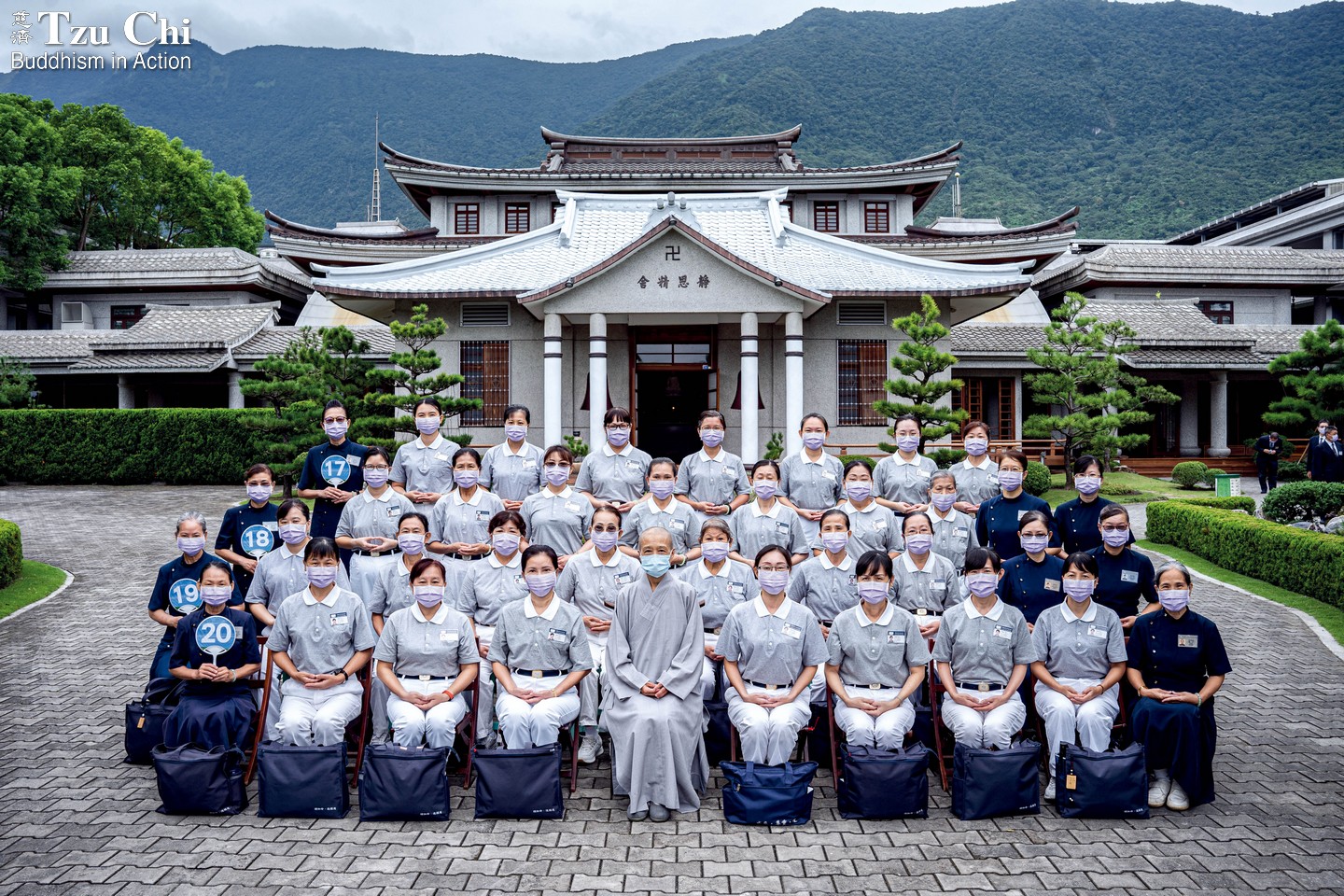
Trainee volunteers (in gray shirts and white pants) soon to receive their certifications pose with a nun and certified volunteers at the Jing Si Abode, the Buddhist convent founded by Dharma Master Cheng Yen in Hualien, eastern Taiwan.

Returning to Their Spiritual Home

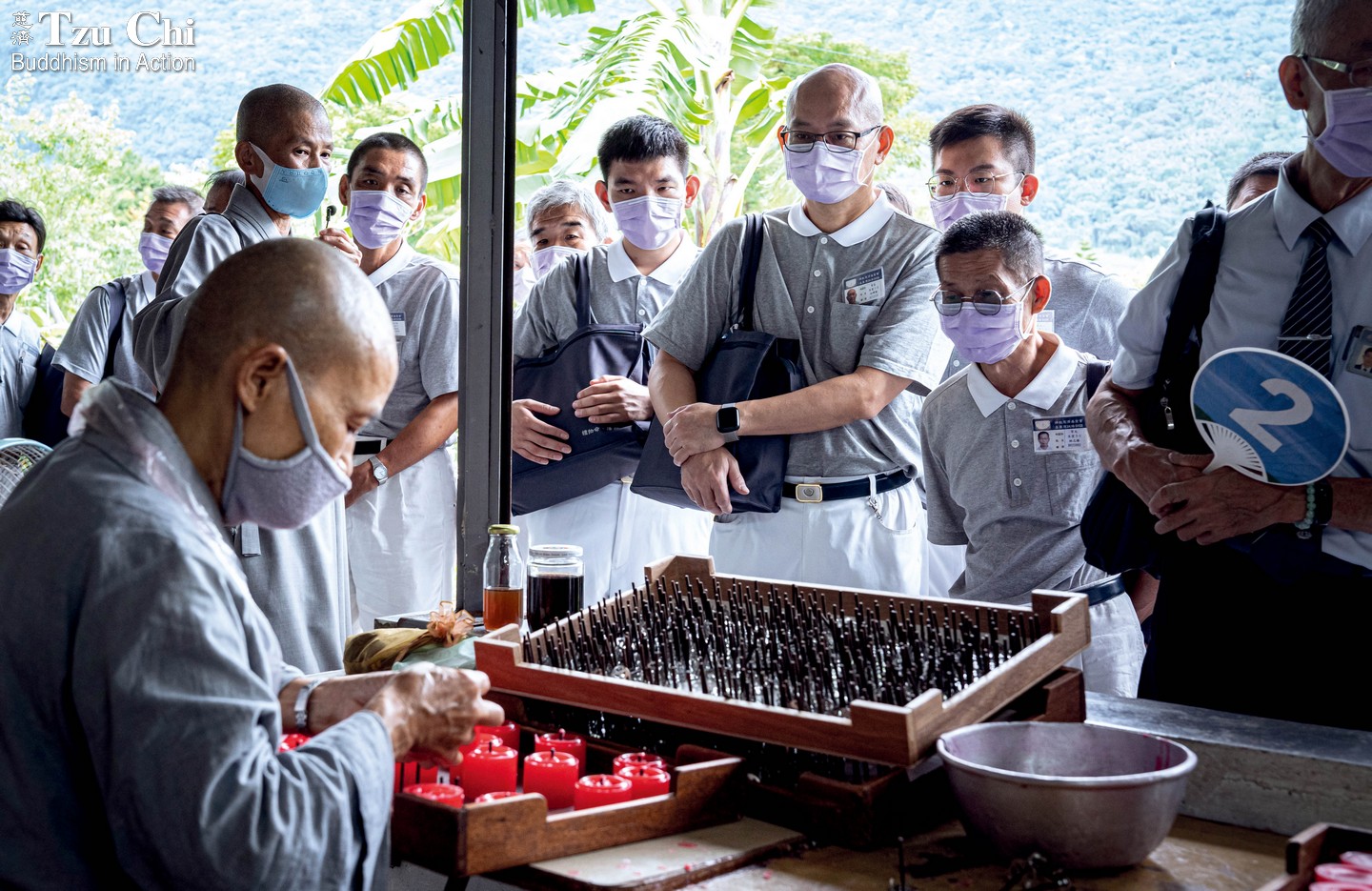
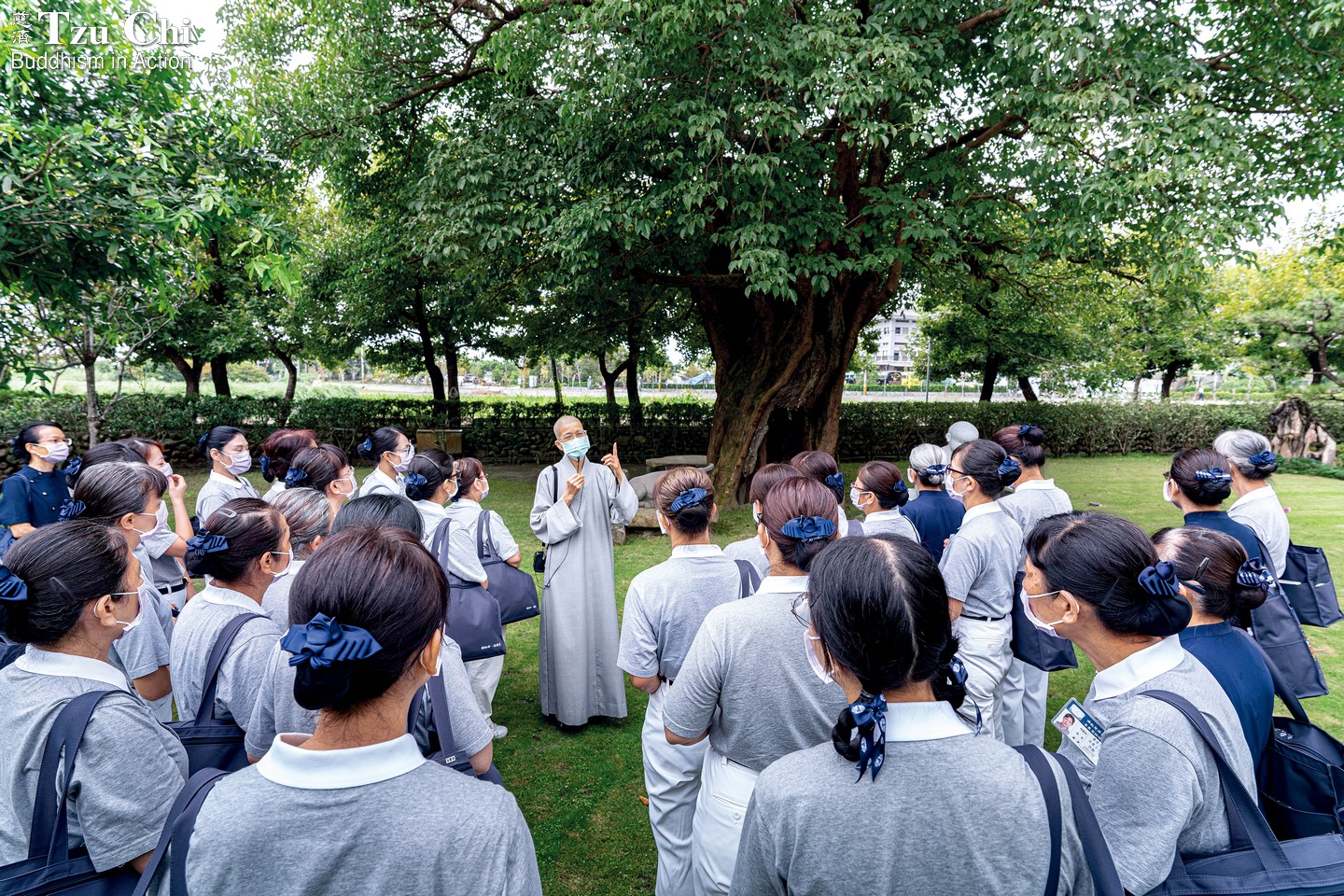
Trainee volunteers from all over Taiwan visited the Jing Si Abode in three groups in mid- and late October 2021, as their training was coming to a close. The Jing Si Abode is the spiritual home of all Tzu Chi volunteers. The photos here show nuns at the Abode providing guided tours for some of the trainee volunteers. Candle-making (top) is a source of income for the nuns at the Abode, who rely on their own strength to support themselves.

Embarking on the Bodhisattva Path

Dharma Master Cheng Yen (top) conferred certifications to new volunteers during a year-end blessing ceremony in November 2021. To become a certified Tzu Chi volunteer means to undertake the pledge to emulate the Buddha’s heart and take on the Master’s missions as one’s own. Newly certified volunteers (bottom) enact a story from the Lotus Sutra during a year-end blessing ceremony.

By Liao Zhe-min
Translated by Wu Hsiao-ting
Photos by Hsiao Yiu-hwa

Every year during Tzu Chi’s year-end blessing ceremonies, newly minted volunteers, having completed at least two years’ training, receive their certifications from Dharma Master Cheng Yen. These volunteers, both young and old, come from all walks of life. Their journeys have been varied until their paths converge in Tzu Chi and they make the same vow to give to the needy and relieve suffering in the world. Bonded by the spirit of service and giving, they are committed to helping love ripple out.

Trainee volunteers (in gray shirts and white pants) soon to receive their certifications pose with a nun and certified volunteers at the Jing Si Abode, the Buddhist convent founded by Dharma Master Cheng Yen in Hualien, eastern Taiwan.

Returning to Their Spiritual Home

Trainee volunteers from all over Taiwan visited the Jing Si Abode in three groups in mid- and late October 2021, as their training was coming to a close. The Jing Si Abode is the spiritual home of all Tzu Chi volunteers. The photos here show nuns at the Abode providing guided tours for some of the trainee volunteers. Candle-making (top) is a source of income for the nuns at the Abode, who rely on their own strength to support themselves.

Embarking on the Bodhisattva Path

Dharma Master Cheng Yen (top) conferred certifications to new volunteers during a year-end blessing ceremony in November 2021. To become a certified Tzu Chi volunteer means to undertake the pledge to emulate the Buddha’s heart and take on the Master’s missions as one’s own. Newly certified volunteers (bottom) enact a story from the Lotus Sutra during a year-end blessing ceremony.

關鍵字