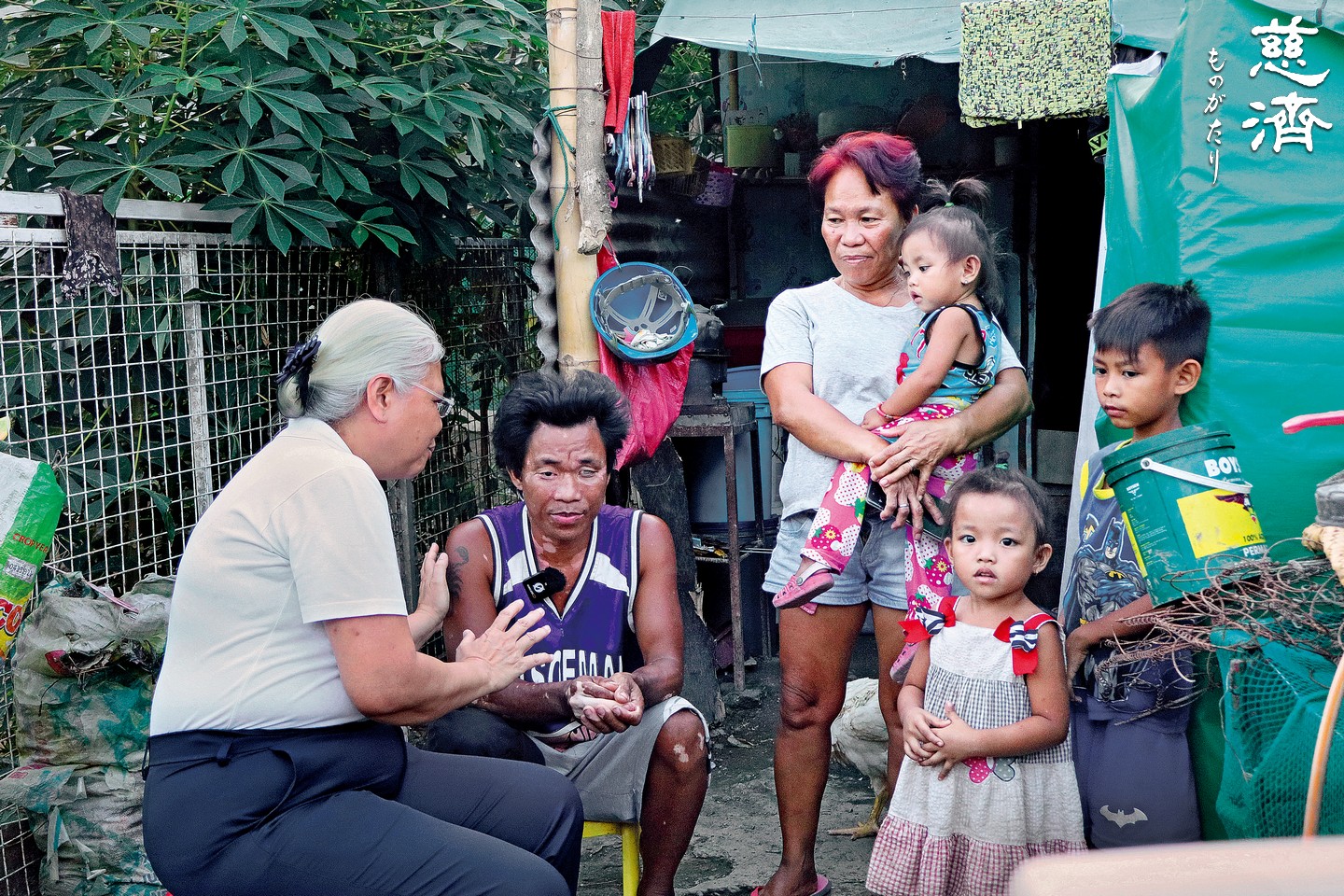
二至四日 牽教

12.2~4《農十一月‧初二至初四》

【靜思小語】合理的管理還要有情的互動,才能留住人才。

人文不同於文化

十二月二日,聆聽基金會主管同仁分享後,上人開示,人間雖苦,但只要人心有愛,願意付出助人,心就在淨土中,且人間就是菩薩淨土。佛陀希望引導人人離苦得樂,這分理想經由歷代祖師大德不斷傳承,直到今天,慈濟人在世界各地身體力行。

上人指出,佛法有很豐富的人文精神,由慈濟人展現在儀表言行。因為不希望大家只是隨著社會潮流展現浮於表面的「文化」,所以一向強調深入心靈意識,展現於禮儀態度的「人文」;慈濟人要發自內心與法相契,「做我所想、做我所說」,也以誠正的態度向大眾分享做過的事,印證佛法道理。

「佛陀是見到人間的苦而動念修行,苦、空、無常就是人間的真實相。時常想到窮困國家貧窮人的生活,實在是很心疼,思考著如何幫助他們;將近六十年來,我們真的為人間做了不少事,之所以能做這麼多事,要感恩有很多好因緣,許多國家有慈濟人,志業落地生根,或是在沒有慈濟人的國家,因為賑災而與當地人士結好緣,借力使力幫助當地苦難人。」

「不分宗教,都要同心協力,為人間苦難而付出;我們要開闊心胸,用尊重、感恩心,會合宗教、會合有心人的力量為人間做事;有力量就要趕緊發揮出來,幫助需要的人,不要囤積資糧,只要哪裏需要,就趕快付出。」

上人感恩自己與慈濟人有深遠的好緣,慈濟人總是相信、支持師父,這分信任讓自己覺得人生很有價值;慈濟志業體的每一個單位,也都要做到被大眾相信,讓大家放心支持,共同發揮力量救拔人間苦難;真正做到了,「大事記」一定要寫下來,因為每一項都是慈濟的歷史。

上人表示,隨著年齡增長,體力不斷衰退,但自己很努力,要將佛陀的精神與現代的慈濟法推展開來。慈濟行善不分宗教、不涉及政治,是秉持人道精神去幫助苦難人,這就是慈濟人的使命,只要有因緣救助得到,就去付出。「只要你們有心想做,就可以會合人人的心力去做到;若是所要做的事,在當地的力量不夠,我會再呼籲。憑著大家對慈濟的信任感與動員力,都很願意『共善』;共善法、共善念、共善力,要靠慈濟人不斷地推動,把握因緣多分享。」

佛教重要的里程

十二月三日,聆聽佛陀故鄉專案團隊報告後,上人開示:「我們本來就是『為佛教,為眾生』,你們到那裏是為眾生付出,但你們也是佛教徒,要維持正向,否則宗教只要有一點偏差,就失去了意義,所以你們在當地做事,方向要正確,對眾生要積極。」

「你們發心來來回回,付出時間、體力、心力等等,真的是『獻身命』,師父要做的,你們都替我做到了;師父是精神理念的軸心,但若沒有你們,軸心就無法轉。我會把軸心掌握得很穩定,當軸心轉動時,你們不要脫離,還要用力去轉。」

上人感恩星馬慈濟人發心,實現師父的心願,連接起二千五百多年前的佛陀精神,會合人間菩薩的力量,翻轉佛陀故鄉的苦難狀況,這是很重要的佛教歷史里程。「教育就是希望,聽到你們要為當地教育做的事,很正確。只要有因緣,幾個佛經裏有記載的村落,例如牧羊女在尼連禪河畔供養羊乳,我們可以接觸得到,就能協助他們建設學校。」

醫療要疼惜入心

十二月四日,花蓮慈濟醫院團隊分享後,上人開示:「每一回聽到慈院醫療團隊醫治病人,不只是看病而已,真的去關心他們,照顧到他們的心靈,總是會感覺很溫馨、很溫暖,真的將他們疼惜入心;這分疼惜的心要永恆維持,可以讓病人減輕心理的苦。醫療教育在醫學生開始見習時,就要引入關心病人的精神,尤其護理團隊,讓病人如同看到觀世音菩薩現前,安他們的心。」

「聽了你們的分享,感覺到生命有希望,這分希望來自你們很真誠、用心在牽引,而且有心在教育。醫療教育不只有老師來教,需要臨床各科室大醫王用誠意『牽教』,表達對病人疼惜的心態。」

對醫療志業體主管開示,上人說,醫療攸關生命、解救病苦,是人間非有不可的行業;但是現在的社會風氣以及發達的科技傳播,擾亂了人們的思想觀念,讓病人對醫護不若過去那般尊重,醫護人員的志業精神也模糊了。雖然社會現況令人感慨,但總是相信人有感情,需要真誠互待,彼此鼓勵。

「在花東要招募專業人才,比起西部,確實較為困難;幸好慈濟在花蓮,有醫學院、護理學院,對東部的醫護人力的確幫助很大,也為花東醫療注入大力量。所以說來,慈濟總是為人間盡心力。若說損益多少,我一直都不會在這上面用心,我關注的是慈濟醫療對人間有何幫助,例如在花蓮偏遠山上或鄉間,交通很不方便,人口老化的程度比西部嚴重,更需要醫療的照顧。」

上人表示,若說管理,要合理的管理,更要有情的管理、有情的互動,不要只是談條例、規則而沒有感情,否則還是留不住人。要讓同仁了解醫療的崇高價值,提升愛心,提升自己的生命價值。盤點生命的價值,醫護人員要知道自己對人群的貢獻。主管要用時間陪伴同仁,培養好感情,從而引導同仁了解自己的職能價值,所以期待主管同仁們要用愛相互鼓勵。

《證嚴上人衲履足跡》,是「上人之日記」。

靜思精舍常住每日敬侍師側、記錄言行,經融會貫通於心,轉化為字字珠璣,彙整結集,每年四冊,依春、夏、秋、冬四季出版。

本專欄即精簡摘錄自《證嚴上人衲履足跡》,完整版本請關注每季最新出版品。

12.2~4《農十一月‧初二至初四》

【靜思小語】合理的管理還要有情的互動,才能留住人才。

人文不同於文化

十二月二日,聆聽基金會主管同仁分享後,上人開示,人間雖苦,但只要人心有愛,願意付出助人,心就在淨土中,且人間就是菩薩淨土。佛陀希望引導人人離苦得樂,這分理想經由歷代祖師大德不斷傳承,直到今天,慈濟人在世界各地身體力行。

上人指出,佛法有很豐富的人文精神,由慈濟人展現在儀表言行。因為不希望大家只是隨著社會潮流展現浮於表面的「文化」,所以一向強調深入心靈意識,展現於禮儀態度的「人文」;慈濟人要發自內心與法相契,「做我所想、做我所說」,也以誠正的態度向大眾分享做過的事,印證佛法道理。

「佛陀是見到人間的苦而動念修行,苦、空、無常就是人間的真實相。時常想到窮困國家貧窮人的生活,實在是很心疼,思考著如何幫助他們;將近六十年來,我們真的為人間做了不少事,之所以能做這麼多事,要感恩有很多好因緣,許多國家有慈濟人,志業落地生根,或是在沒有慈濟人的國家,因為賑災而與當地人士結好緣,借力使力幫助當地苦難人。」

「不分宗教,都要同心協力,為人間苦難而付出;我們要開闊心胸,用尊重、感恩心,會合宗教、會合有心人的力量為人間做事;有力量就要趕緊發揮出來,幫助需要的人,不要囤積資糧,只要哪裏需要,就趕快付出。」

上人感恩自己與慈濟人有深遠的好緣,慈濟人總是相信、支持師父,這分信任讓自己覺得人生很有價值;慈濟志業體的每一個單位,也都要做到被大眾相信,讓大家放心支持,共同發揮力量救拔人間苦難;真正做到了,「大事記」一定要寫下來,因為每一項都是慈濟的歷史。

上人表示,隨著年齡增長,體力不斷衰退,但自己很努力,要將佛陀的精神與現代的慈濟法推展開來。慈濟行善不分宗教、不涉及政治,是秉持人道精神去幫助苦難人,這就是慈濟人的使命,只要有因緣救助得到,就去付出。「只要你們有心想做,就可以會合人人的心力去做到;若是所要做的事,在當地的力量不夠,我會再呼籲。憑著大家對慈濟的信任感與動員力,都很願意『共善』;共善法、共善念、共善力,要靠慈濟人不斷地推動,把握因緣多分享。」

佛教重要的里程

十二月三日,聆聽佛陀故鄉專案團隊報告後,上人開示:「我們本來就是『為佛教,為眾生』,你們到那裏是為眾生付出,但你們也是佛教徒,要維持正向,否則宗教只要有一點偏差,就失去了意義,所以你們在當地做事,方向要正確,對眾生要積極。」

「你們發心來來回回,付出時間、體力、心力等等,真的是『獻身命』,師父要做的,你們都替我做到了;師父是精神理念的軸心,但若沒有你們,軸心就無法轉。我會把軸心掌握得很穩定,當軸心轉動時,你們不要脫離,還要用力去轉。」

上人感恩星馬慈濟人發心,實現師父的心願,連接起二千五百多年前的佛陀精神,會合人間菩薩的力量,翻轉佛陀故鄉的苦難狀況,這是很重要的佛教歷史里程。「教育就是希望,聽到你們要為當地教育做的事,很正確。只要有因緣,幾個佛經裏有記載的村落,例如牧羊女在尼連禪河畔供養羊乳,我們可以接觸得到,就能協助他們建設學校。」

醫療要疼惜入心

十二月四日,花蓮慈濟醫院團隊分享後,上人開示:「每一回聽到慈院醫療團隊醫治病人,不只是看病而已,真的去關心他們,照顧到他們的心靈,總是會感覺很溫馨、很溫暖,真的將他們疼惜入心;這分疼惜的心要永恆維持,可以讓病人減輕心理的苦。醫療教育在醫學生開始見習時,就要引入關心病人的精神,尤其護理團隊,讓病人如同看到觀世音菩薩現前,安他們的心。」

「聽了你們的分享,感覺到生命有希望,這分希望來自你們很真誠、用心在牽引,而且有心在教育。醫療教育不只有老師來教,需要臨床各科室大醫王用誠意『牽教』,表達對病人疼惜的心態。」

對醫療志業體主管開示,上人說,醫療攸關生命、解救病苦,是人間非有不可的行業;但是現在的社會風氣以及發達的科技傳播,擾亂了人們的思想觀念,讓病人對醫護不若過去那般尊重,醫護人員的志業精神也模糊了。雖然社會現況令人感慨,但總是相信人有感情,需要真誠互待,彼此鼓勵。

「在花東要招募專業人才,比起西部,確實較為困難;幸好慈濟在花蓮,有醫學院、護理學院,對東部的醫護人力的確幫助很大,也為花東醫療注入大力量。所以說來,慈濟總是為人間盡心力。若說損益多少,我一直都不會在這上面用心,我關注的是慈濟醫療對人間有何幫助,例如在花蓮偏遠山上或鄉間,交通很不方便,人口老化的程度比西部嚴重,更需要醫療的照顧。」

上人表示,若說管理,要合理的管理,更要有情的管理、有情的互動,不要只是談條例、規則而沒有感情,否則還是留不住人。要讓同仁了解醫療的崇高價值,提升愛心,提升自己的生命價值。盤點生命的價值,醫護人員要知道自己對人群的貢獻。主管要用時間陪伴同仁,培養好感情,從而引導同仁了解自己的職能價值,所以期待主管同仁們要用愛相互鼓勵。

《證嚴上人衲履足跡》,是「上人之日記」。

靜思精舍常住每日敬侍師側、記錄言行,經融會貫通於心,轉化為字字珠璣,彙整結集,每年四冊,依春、夏、秋、冬四季出版。

本專欄即精簡摘錄自《證嚴上人衲履足跡》,完整版本請關注每季最新出版品。
十八至二十日 感恩此時相見

12.18~20《農十一月‧十八至二十》

【靜思小語】與人互動有禮節,一句「感恩」就是祝福的好話。

志業傳家,傳寶也傳福

彰化縣有很多鄉村,範圍很遼闊,慈濟人總是不辭辛勞深入各村落訪視關懷。十二月十八日與彰化區榮董團隊座談,上人回憶早期訪貧:「我帶著慈濟人,走入每一家去探望;臺東有王添丁校長夫婦承擔整個臺東縣的慈善訪視與發放,王校長去度各村鎮的學校校長,有的在山上、有的在海邊,如果發現學生的家庭需要幫忙,就請他們提報給慈濟。他的身教傳給兒子王壽榮,大學畢業之後在嘉義成家立業,就是嘉義的第一顆種子。」

「那時我若來到嘉義複查慈善個案,就是他在帶。他平時是用摩托車載著米糧、生活物資,直接送到需要的家庭,範圍很廣、距離很遠,但他總是挨家挨戶送,一趟一趟來回。」

「慈濟人以志業傳家,父傳子,這時候是傳到壽榮的女兒、女婿,已經傳四代了。要度其他人容易,要度自己家的人是不容易。你們做慈濟,很多時間都在外面,家人總會埋怨整天看不到你們,心裏就有個障礙,不會支持;但只要家人肯支持,就開始有大力量。」

「所以師父常常告訴慈濟人,修福同時要修慧,修福是向外,修慧要向內。家人支持你們、幫助你們、陪伴你們,就表示你們發揮智慧,下了功夫,做到讓他們願意支持與協助,這確實不簡單,聽來大家都做到了,傳寶在家,且代代相傳,也就是傳福,是代代子孫的福。」

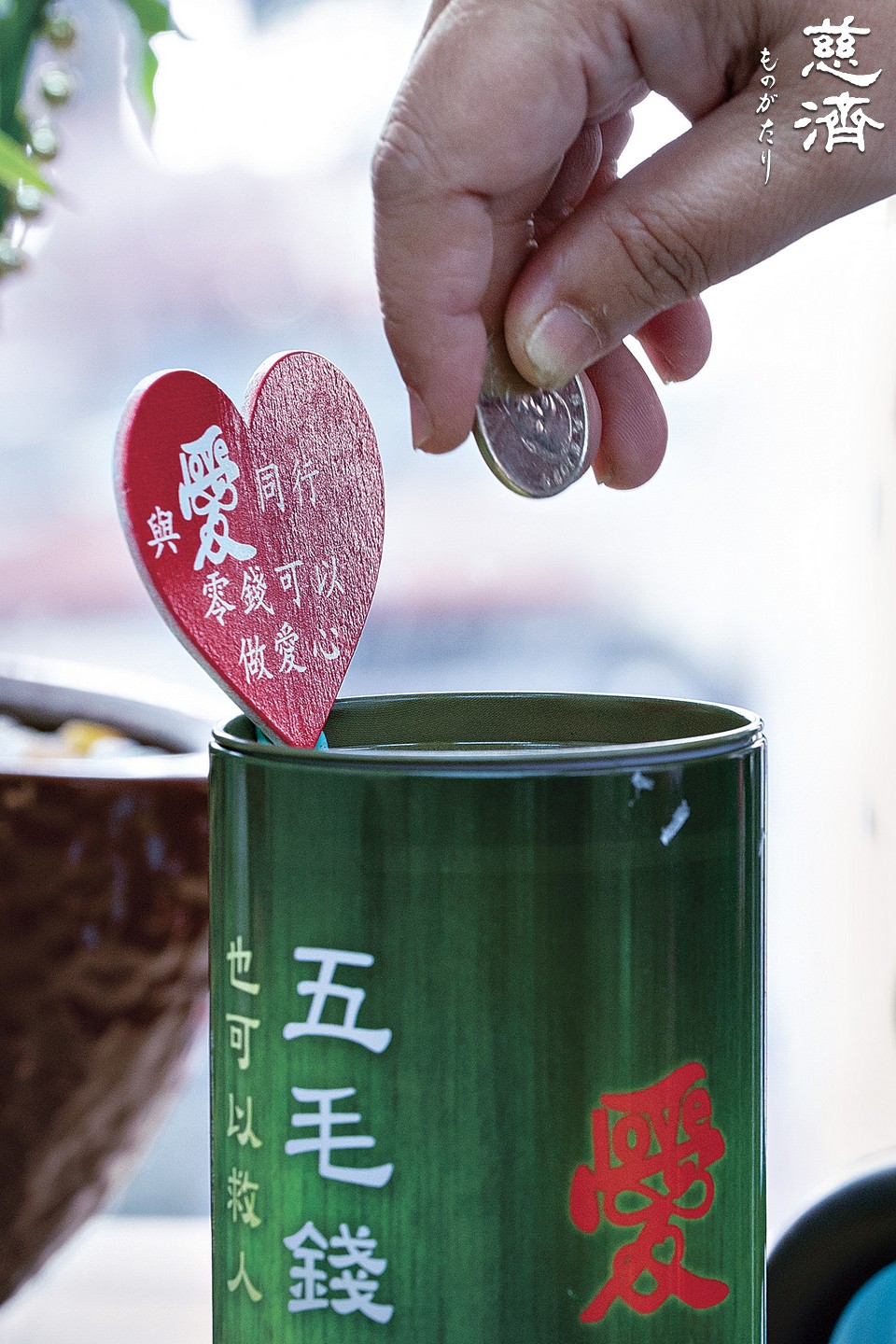
「回過頭來說,慈濟需要你們;我一直聽你們說,弟子需要師父,但是生命在自然法則中,一定會過去,就如地球萬物也在成住壞空的自然法則中。人的生命很短暫,但是不可輕視,劫難都從人在分秒中的造作累積而成;最初師父教大家每天存五毛錢救人,慈善力量也是如此點滴累積而來,到現在慈濟人在國際間救助苦難,就是從最初的微細點滴開始。」上人期勉慈濟人帶動愛與善,世世代代累積福與慧,指引人心觀念的正確方向。

隨喜讚歎,廣結善因緣

十二月十九日,上人即將南下嘉義大林,於彰化感恩時刻叮嚀師兄師姊,菩薩道上除了自修身心,更要廣度眾生,而眾生剛強,各有習氣,需要人間菩薩運用不同的方法度化。

「我這趟行腳,看到各地慈濟人都是盡心力,用誠意做慈濟,盡形壽在付出;每個地方的慈濟人,度眾生的方法都不一樣,接引不同人的方法也不一樣,這麼多的方便法,都是由慈濟人自身的慧性不斷地啟發出來。」

上人期待大家培養好說話習慣,一開口就是祝福別人的好話,而非脫口而出得罪人的言詞,或是養成不好的口頭禪。有些法師教信徒念佛,祝福別人無量壽福。「念佛要念入心,更要念入意識,成為自然而然的習慣。現在的人信仰很多元,我們尊重人人的宗教信仰,與人見面、互動的禮節,一句『感恩』就是祝福的好話,感恩今天此時可以相見。」

「期待慈濟能夠普及社會各階層、各角落,就像水可以隨著不同的容器,變成不同的形狀,隨方就圓,做事要圓滿,而慈濟人的心念也要源遠流長,發了一念好心,就要把握因緣去做;或是聽到有人分享他們做好事的過程和心得,我們由衷讚歎,讓他們更有信心,我們也有功德。」上人勉勵大家,發心立願就要身體力行,或是隨喜讚歎,廣結善因緣,長長久久地在人間傳愛、傳福。

溫暖回饋,醫療有價值

十二月二十日於大林慈院醫療科座談,上人表示這次是帶病出門,一年過一年,光陰一直過去,年歲已大,生命就如溜滑梯,從高處滑下,很快就到底了。但仍勉力把握有限的時間,即使身有病痛,還是一步一步向前走而來到大林。

「我把握了因緣,把握了時間,一路從花蓮的菜市場裏呼籲『五毛錢能救人』,累積到現在近六十年,慈濟的人道關懷或援助,到達一百三十六個國家地區。四大志業、八大法印,一步一步走過來,不要去想走一步有多遠?只要是真誠為人間付出,確認是對的方向,腳步踏出去,往前走,總是不會錯。」

上人說,只要聽到慈濟醫院如何搶救生命,讓病人解除病痛,健康生活,就覺得當初決定在此建院,克服諸多困難,戰戰兢兢地一路走過來,是很值得的。「我覺得這輩子做最對而且可永恆延續的,就是醫療志業。而且在大林將這所醫院蓋起來,帶動了地方的繁榮,讓我最高興的是可以照顧雲嘉鄉間的老人家。」

上人說,同仁們面對的大多是草根性的純樸長者,也入鄉隨俗,即使是分享很有科學水準的醫療內容,聽起來卻很親切。醫護同仁與年長的病人互動,用他們聽得最習慣的語言對話,像子姪般疼惜他們,親切稱呼「阿公、阿嬤、阿姨」等等,大林慈院就像一個大家庭,很溫暖。所以得到病人與家屬的稱讚,或是愛心回饋,就代表大家真誠的付出,讓人感受到了,這就是價值。

下午舉行雲嘉第一場歲末祝福典禮,除了大林慈院主管同仁參與,還有中正大學的師生們與會。上人期勉大家更上一層樓,知識高,智慧更高,不只局限在醫療專業領域,也不只關心臺灣社會,要放眼國際,有全球一家的開闊心胸。

上人請同仁們多運用網路了解全球慈濟事,把握機會與親友或病人分享「我們的慈濟」所做的事,共同弘法利生。「我對各位有信心,你們應該都認定這裏是我們的大家庭,所以有志一同,要做好醫療教育,把真誠關懷病人的愛傳給年輕後進。看到醫療志業在各院主管帶動下,有人文、有愛心,我很放心;法脈宗門要靠大家守護與傳承,相信我下一生『再來』時,也來得及、接得上,慈濟人文精神代代相傳。」

《證嚴上人衲履足跡》,是「上人之日記」。

靜思精舍常住每日敬侍師側、記錄言行,經融會貫通於心,轉化為字字珠璣,彙整結集,每年四冊,依春、夏、秋、冬四季出版。

本專欄即精簡摘錄自《證嚴上人衲履足跡》,完整版本請關注每季最新出版品。
12.18~20《農十一月‧十八至二十》

【靜思小語】與人互動有禮節,一句「感恩」就是祝福的好話。

志業傳家,傳寶也傳福

彰化縣有很多鄉村,範圍很遼闊,慈濟人總是不辭辛勞深入各村落訪視關懷。十二月十八日與彰化區榮董團隊座談,上人回憶早期訪貧:「我帶著慈濟人,走入每一家去探望;臺東有王添丁校長夫婦承擔整個臺東縣的慈善訪視與發放,王校長去度各村鎮的學校校長,有的在山上、有的在海邊,如果發現學生的家庭需要幫忙,就請他們提報給慈濟。他的身教傳給兒子王壽榮,大學畢業之後在嘉義成家立業,就是嘉義的第一顆種子。」

「那時我若來到嘉義複查慈善個案,就是他在帶。他平時是用摩托車載著米糧、生活物資,直接送到需要的家庭,範圍很廣、距離很遠,但他總是挨家挨戶送,一趟一趟來回。」

「慈濟人以志業傳家,父傳子,這時候是傳到壽榮的女兒、女婿,已經傳四代了。要度其他人容易,要度自己家的人是不容易。你們做慈濟,很多時間都在外面,家人總會埋怨整天看不到你們,心裏就有個障礙,不會支持;但只要家人肯支持,就開始有大力量。」

「所以師父常常告訴慈濟人,修福同時要修慧,修福是向外,修慧要向內。家人支持你們、幫助你們、陪伴你們,就表示你們發揮智慧,下了功夫,做到讓他們願意支持與協助,這確實不簡單,聽來大家都做到了,傳寶在家,且代代相傳,也就是傳福,是代代子孫的福。」

「回過頭來說,慈濟需要你們;我一直聽你們說,弟子需要師父,但是生命在自然法則中,一定會過去,就如地球萬物也在成住壞空的自然法則中。人的生命很短暫,但是不可輕視,劫難都從人在分秒中的造作累積而成;最初師父教大家每天存五毛錢救人,慈善力量也是如此點滴累積而來,到現在慈濟人在國際間救助苦難,就是從最初的微細點滴開始。」上人期勉慈濟人帶動愛與善,世世代代累積福與慧,指引人心觀念的正確方向。

隨喜讚歎,廣結善因緣

十二月十九日,上人即將南下嘉義大林,於彰化感恩時刻叮嚀師兄師姊,菩薩道上除了自修身心,更要廣度眾生,而眾生剛強,各有習氣,需要人間菩薩運用不同的方法度化。

「我這趟行腳,看到各地慈濟人都是盡心力,用誠意做慈濟,盡形壽在付出;每個地方的慈濟人,度眾生的方法都不一樣,接引不同人的方法也不一樣,這麼多的方便法,都是由慈濟人自身的慧性不斷地啟發出來。」

上人期待大家培養好說話習慣,一開口就是祝福別人的好話,而非脫口而出得罪人的言詞,或是養成不好的口頭禪。有些法師教信徒念佛,祝福別人無量壽福。「念佛要念入心,更要念入意識,成為自然而然的習慣。現在的人信仰很多元,我們尊重人人的宗教信仰,與人見面、互動的禮節,一句『感恩』就是祝福的好話,感恩今天此時可以相見。」

「期待慈濟能夠普及社會各階層、各角落,就像水可以隨著不同的容器,變成不同的形狀,隨方就圓,做事要圓滿,而慈濟人的心念也要源遠流長,發了一念好心,就要把握因緣去做;或是聽到有人分享他們做好事的過程和心得,我們由衷讚歎,讓他們更有信心,我們也有功德。」上人勉勵大家,發心立願就要身體力行,或是隨喜讚歎,廣結善因緣,長長久久地在人間傳愛、傳福。

溫暖回饋,醫療有價值

十二月二十日於大林慈院醫療科座談,上人表示這次是帶病出門,一年過一年,光陰一直過去,年歲已大,生命就如溜滑梯,從高處滑下,很快就到底了。但仍勉力把握有限的時間,即使身有病痛,還是一步一步向前走而來到大林。

「我把握了因緣,把握了時間,一路從花蓮的菜市場裏呼籲『五毛錢能救人』,累積到現在近六十年,慈濟的人道關懷或援助,到達一百三十六個國家地區。四大志業、八大法印,一步一步走過來,不要去想走一步有多遠?只要是真誠為人間付出,確認是對的方向,腳步踏出去,往前走,總是不會錯。」

上人說,只要聽到慈濟醫院如何搶救生命,讓病人解除病痛,健康生活,就覺得當初決定在此建院,克服諸多困難,戰戰兢兢地一路走過來,是很值得的。「我覺得這輩子做最對而且可永恆延續的,就是醫療志業。而且在大林將這所醫院蓋起來,帶動了地方的繁榮,讓我最高興的是可以照顧雲嘉鄉間的老人家。」

上人說,同仁們面對的大多是草根性的純樸長者,也入鄉隨俗,即使是分享很有科學水準的醫療內容,聽起來卻很親切。醫護同仁與年長的病人互動,用他們聽得最習慣的語言對話,像子姪般疼惜他們,親切稱呼「阿公、阿嬤、阿姨」等等,大林慈院就像一個大家庭,很溫暖。所以得到病人與家屬的稱讚,或是愛心回饋,就代表大家真誠的付出,讓人感受到了,這就是價值。

下午舉行雲嘉第一場歲末祝福典禮,除了大林慈院主管同仁參與,還有中正大學的師生們與會。上人期勉大家更上一層樓,知識高,智慧更高,不只局限在醫療專業領域,也不只關心臺灣社會,要放眼國際,有全球一家的開闊心胸。

上人請同仁們多運用網路了解全球慈濟事,把握機會與親友或病人分享「我們的慈濟」所做的事,共同弘法利生。「我對各位有信心,你們應該都認定這裏是我們的大家庭,所以有志一同,要做好醫療教育,把真誠關懷病人的愛傳給年輕後進。看到醫療志業在各院主管帶動下,有人文、有愛心,我很放心;法脈宗門要靠大家守護與傳承,相信我下一生『再來』時,也來得及、接得上,慈濟人文精神代代相傳。」

《證嚴上人衲履足跡》,是「上人之日記」。

靜思精舍常住每日敬侍師側、記錄言行,經融會貫通於心,轉化為字字珠璣,彙整結集,每年四冊,依春、夏、秋、冬四季出版。

本專欄即精簡摘錄自《證嚴上人衲履足跡》,完整版本請關注每季最新出版品。

寒冬圍爐 歡喜款待

三百多位志工齊聚慈濟臺南善化園區,備辦圍爐饗宴,款待來自學甲、佳里、新化、善化、曾文地區二十個鄉鎮慈濟長期關懷的照顧戶,外場師兄們歡喜準備上菜秀。

慈濟基金會農曆春節前舉行冬令發放與圍爐,元月於全臺及離島共五十五場,致贈年禮與物資卡給兩萬七千五百戶照顧戶、獨居長者採辦年貨。

攝影/李金魚 2025.1.12

三百多位志工齊聚慈濟臺南善化園區,備辦圍爐饗宴,款待來自學甲、佳里、新化、善化、曾文地區二十個鄉鎮慈濟長期關懷的照顧戶,外場師兄們歡喜準備上菜秀。

慈濟基金會農曆春節前舉行冬令發放與圍爐,元月於全臺及離島共五十五場,致贈年禮與物資卡給兩萬七千五百戶照顧戶、獨居長者採辦年貨。

攝影/李金魚 2025.1.12

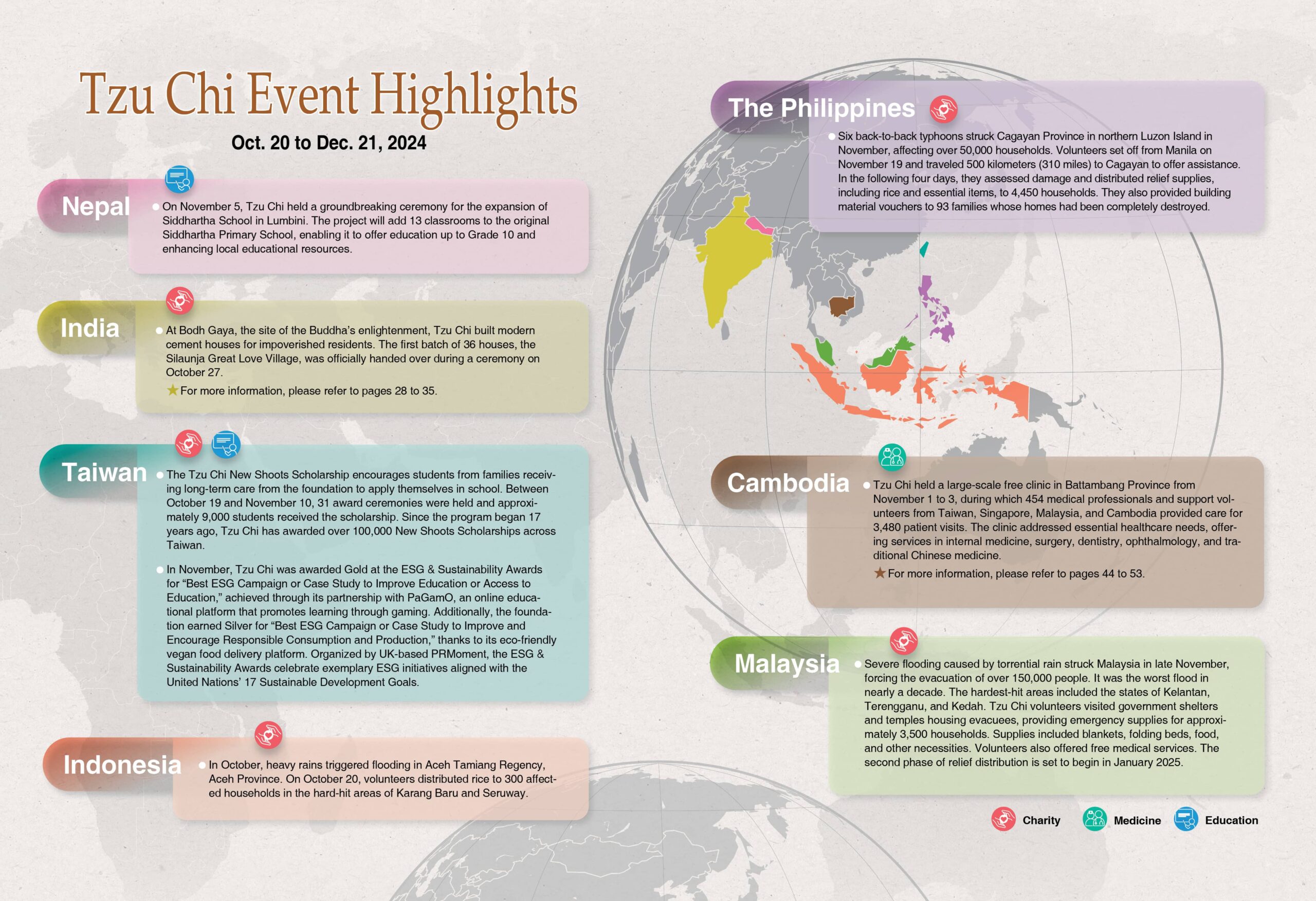
Tzu Chi Event Highlights—Oct. 20 to Dec. 21, 2024

Nepal

On November 5, Tzu Chi held a groundbreaking ceremony for the expansion of Siddhartha School in Lumbini. The project will add 13 classrooms to the original Siddhartha Primary School, enabling it to offer education up to Grade 10 and enhancing local educational resources.

India

At Bodh Gaya, the site of the Buddha’s enlightenment, Tzu Chi built modern cement houses for impoverished residents. The first batch of 36 houses, the Silaunja Great Love Village, was officially handed over during a ceremony on October 27.
★More Information

Taiwan

The Tzu Chi New Shoots Scholarship encourages students from families receiving long-term care from the foundation to apply themselves in school. Between October 19 and November 10, 31 award ceremonies were held and approximately 9,000 students received the scholarship. Since the program began 17 years ago, Tzu Chi has awarded over 100,000 New Shoots Scholarships across Taiwan.

In November, Tzu Chi was awarded Gold at the ESG & Sustainability Awards for “Best ESG Campaign or Case Study to Improve Education or Access to Education,” achieved through its partnership with PaGamO, an online educational platform that promotes learning through gaming. Additionally, the foundation earned Silver for “Best ESG Campaign or Case Study to Improve and Encourage Responsible Consumption and Production,” thanks to its eco-friendly vegan food delivery platform. Organized by UK-based PRMoment, the ESG & Sustainability Awards celebrate exemplary ESG initiatives aligned with the United Nations’ 17 Sustainable Development Goals.

Indonesia

In October, heavy rains triggered flooding in Aceh Tamiang Regency, Aceh Province. On October 20, volunteers distributed rice to 300 affected households in the hard-hit areas of Karang Baru and Seruway.

The Philippines

Six back-to-back typhoons struck Cagayan Province in northern Luzon Island in November, affecting over 50,000 households. Volunteers set off from Manila on November 19 and traveled 500 kilometers (310 miles) to Cagayan to offer assistance. In the following four days, they assessed damage and distributed relief supplies, including rice and essential items, to 4,450 households. They also provided building material vouchers to 93 families whose homes had been completely destroyed.

Cambodia

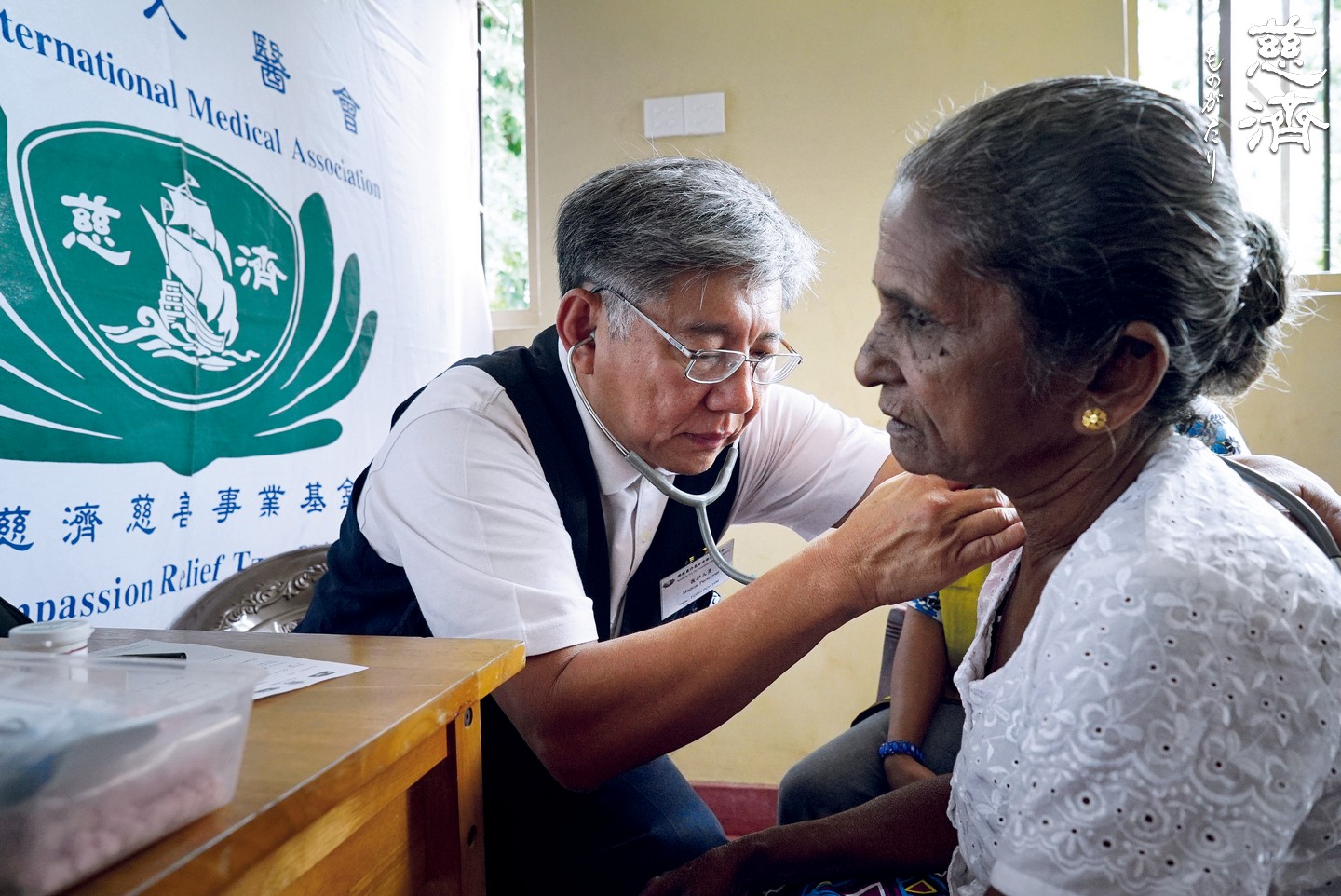
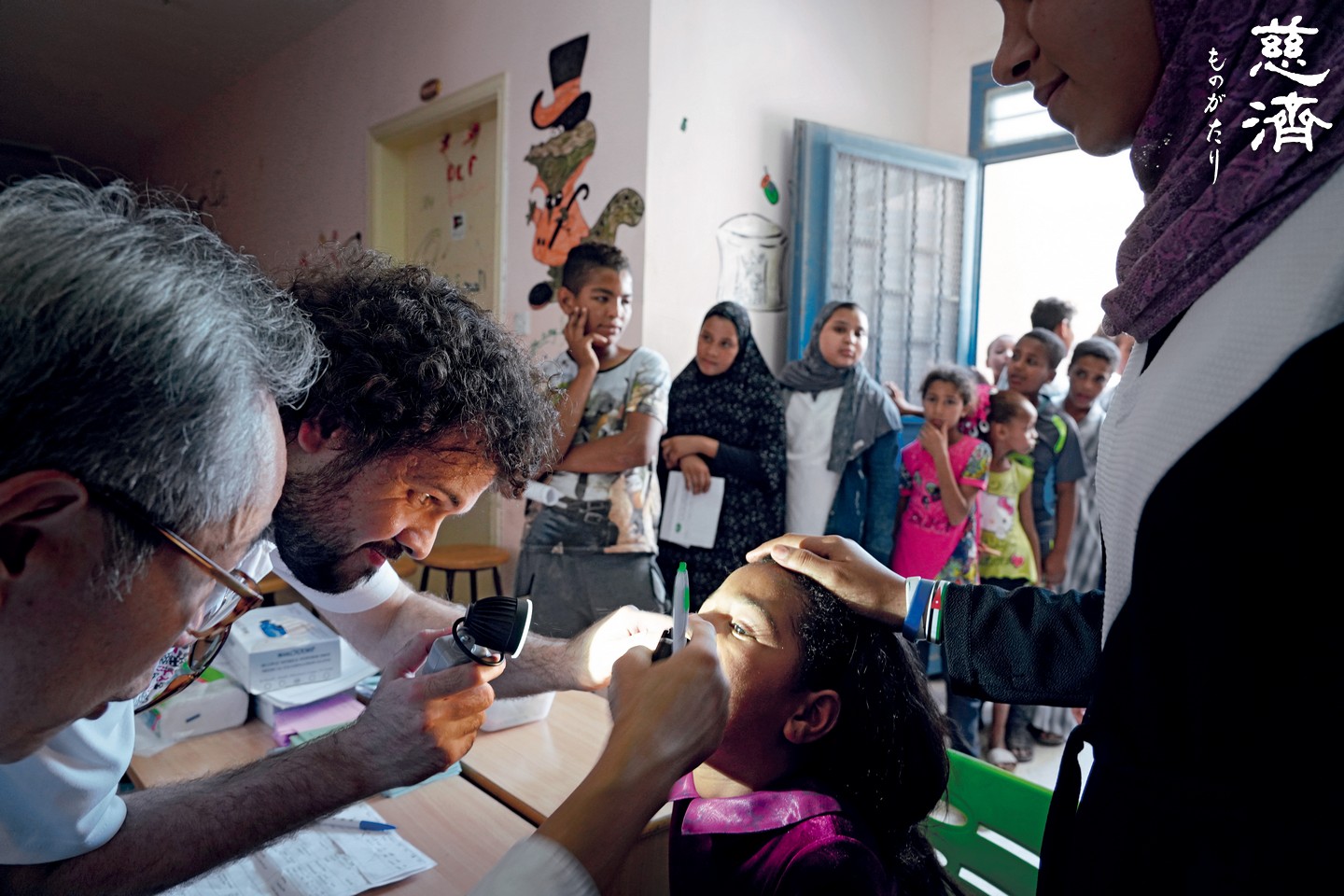
Tzu Chi held a large-scale free clinic in Battambang Province from November 1 to 3, during which 454 medical professionals and support volunteers from Taiwan, Singapore, Malaysia, and Cambodia provided care for 3,480 patient visits. The clinic addressed essential healthcare needs, offering services in internal medicine, surgery, dentistry, ophthalmology, and traditional Chinese medicine.

★More Information

Malaysia

Severe flooding caused by torrential rain struck Malaysia in late November, forcing the evacuation of over 150,000 people. It was the worst flood in nearly a decade. The hardest-hit areas included the states of Kelantan, Terengganu, and Kedah. Tzu Chi volunteers visited government shelters and temples housing evacuees, providing emergency supplies for approximately 3,500 households. Supplies included blankets, folding beds, food, and other necessities. Volunteers also offered free medical services. The second phase of relief distribution is set to begin in January 2025.

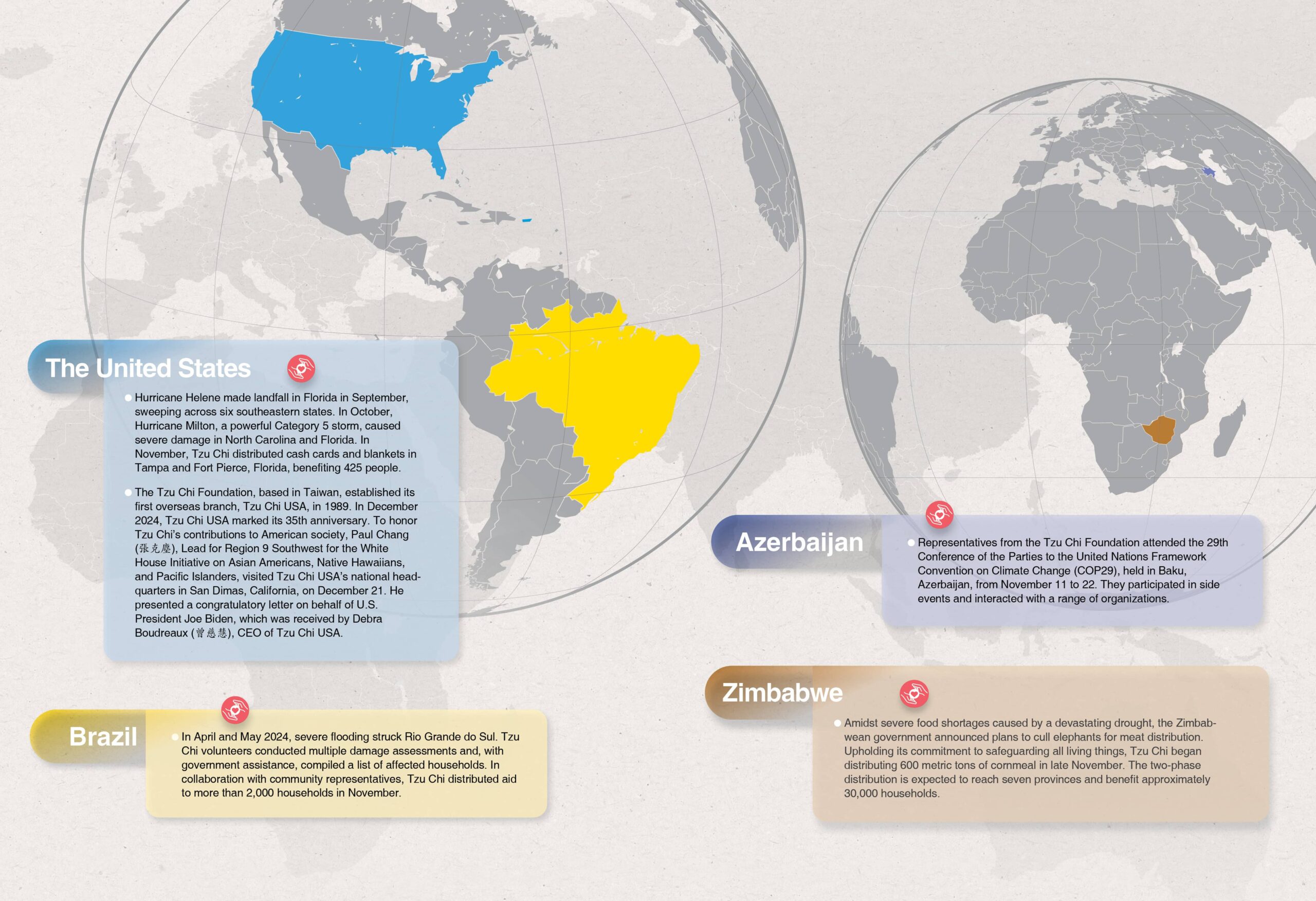
The United States

Hurricane Helene made landfall in Florida in September, sweeping across six southeastern states. In October, Hurricane Milton, a powerful Category 5 storm, caused severe damage in North Carolina and Florida. In November, Tzu Chi distributed cash cards and blankets in Tampa and Fort Pierce, Florida, benefiting 425 people.

The Tzu Chi Foundation, based in Taiwan, established its first overseas branch, Tzu Chi USA, in 1989. In December 2024, Tzu Chi USA marked its 35th anniversary. To honor Tzu Chi’s contributions to American society, Paul Chang (張克塵), Lead for Region 9 Southwest for the White House Initiative on Asian Americans, Native Hawaiians, and Pacific Islanders, visited Tzu Chi USA’s national headquarters in San Dimas, California, on December 21. He presented a congratulatory letter on behalf of U.S. President Joe Biden, which was received by Debra Boudreaux (曾慈慧), CEO of Tzu Chi USA.

Brazil

In April and May 2024, severe flooding struck Rio Grande do Sul. Tzu Chi volunteers conducted multiple damage assessments and, with government assistance, compiled a list of affected households. In collaboration with community representatives, Tzu Chi distributed aid to more than 2,000 households in November.

Azerbaijan

Representatives from the Tzu Chi Foundation attended the 29th Conference of the Parties to the United Nations Framework Convention on Climate Change (COP29), held in Baku, Azerbaijan, from November 11 to 22. They participated in side events and interacted with a range of organizations.

Zimbabwe

Amidst severe food shortages caused by a devastating drought, the Zimbab­wean government announced plans to cull elephants for meat distribution. Upholding its commitment to safeguarding all living things, Tzu Chi began distributing 600 metric tons of cornmeal in late November. The two-phase distribution is expected to reach seven provinces and benefit approximately 30,000 households.

Nepal

On November 5, Tzu Chi held a groundbreaking ceremony for the expansion of Siddhartha School in Lumbini. The project will add 13 classrooms to the original Siddhartha Primary School, enabling it to offer education up to Grade 10 and enhancing local educational resources.

India

At Bodh Gaya, the site of the Buddha’s enlightenment, Tzu Chi built modern cement houses for impoverished residents. The first batch of 36 houses, the Silaunja Great Love Village, was officially handed over during a ceremony on October 27.
★More Information

Taiwan

The Tzu Chi New Shoots Scholarship encourages students from families receiving long-term care from the foundation to apply themselves in school. Between October 19 and November 10, 31 award ceremonies were held and approximately 9,000 students received the scholarship. Since the program began 17 years ago, Tzu Chi has awarded over 100,000 New Shoots Scholarships across Taiwan.

In November, Tzu Chi was awarded Gold at the ESG & Sustainability Awards for “Best ESG Campaign or Case Study to Improve Education or Access to Education,” achieved through its partnership with PaGamO, an online educational platform that promotes learning through gaming. Additionally, the foundation earned Silver for “Best ESG Campaign or Case Study to Improve and Encourage Responsible Consumption and Production,” thanks to its eco-friendly vegan food delivery platform. Organized by UK-based PRMoment, the ESG & Sustainability Awards celebrate exemplary ESG initiatives aligned with the United Nations’ 17 Sustainable Development Goals.

Indonesia

In October, heavy rains triggered flooding in Aceh Tamiang Regency, Aceh Province. On October 20, volunteers distributed rice to 300 affected households in the hard-hit areas of Karang Baru and Seruway.

The Philippines

Six back-to-back typhoons struck Cagayan Province in northern Luzon Island in November, affecting over 50,000 households. Volunteers set off from Manila on November 19 and traveled 500 kilometers (310 miles) to Cagayan to offer assistance. In the following four days, they assessed damage and distributed relief supplies, including rice and essential items, to 4,450 households. They also provided building material vouchers to 93 families whose homes had been completely destroyed.

Cambodia

Tzu Chi held a large-scale free clinic in Battambang Province from November 1 to 3, during which 454 medical professionals and support volunteers from Taiwan, Singapore, Malaysia, and Cambodia provided care for 3,480 patient visits. The clinic addressed essential healthcare needs, offering services in internal medicine, surgery, dentistry, ophthalmology, and traditional Chinese medicine.

★More Information

Malaysia

Severe flooding caused by torrential rain struck Malaysia in late November, forcing the evacuation of over 150,000 people. It was the worst flood in nearly a decade. The hardest-hit areas included the states of Kelantan, Terengganu, and Kedah. Tzu Chi volunteers visited government shelters and temples housing evacuees, providing emergency supplies for approximately 3,500 households. Supplies included blankets, folding beds, food, and other necessities. Volunteers also offered free medical services. The second phase of relief distribution is set to begin in January 2025.

The United States

Hurricane Helene made landfall in Florida in September, sweeping across six southeastern states. In October, Hurricane Milton, a powerful Category 5 storm, caused severe damage in North Carolina and Florida. In November, Tzu Chi distributed cash cards and blankets in Tampa and Fort Pierce, Florida, benefiting 425 people.

The Tzu Chi Foundation, based in Taiwan, established its first overseas branch, Tzu Chi USA, in 1989. In December 2024, Tzu Chi USA marked its 35th anniversary. To honor Tzu Chi’s contributions to American society, Paul Chang (張克塵), Lead for Region 9 Southwest for the White House Initiative on Asian Americans, Native Hawaiians, and Pacific Islanders, visited Tzu Chi USA’s national headquarters in San Dimas, California, on December 21. He presented a congratulatory letter on behalf of U.S. President Joe Biden, which was received by Debra Boudreaux (曾慈慧), CEO of Tzu Chi USA.

Brazil

In April and May 2024, severe flooding struck Rio Grande do Sul. Tzu Chi volunteers conducted multiple damage assessments and, with government assistance, compiled a list of affected households. In collaboration with community representatives, Tzu Chi distributed aid to more than 2,000 households in November.

Azerbaijan

Representatives from the Tzu Chi Foundation attended the 29th Conference of the Parties to the United Nations Framework Convention on Climate Change (COP29), held in Baku, Azerbaijan, from November 11 to 22. They participated in side events and interacted with a range of organizations.

Zimbabwe

Amidst severe food shortages caused by a devastating drought, the Zimbab­wean government announced plans to cull elephants for meat distribution. Upholding its commitment to safeguarding all living things, Tzu Chi began distributing 600 metric tons of cornmeal in late November. The two-phase distribution is expected to reach seven provinces and benefit approximately 30,000 households.

關鍵字

Essential Clean Water—Tzu Chi and the SDGs

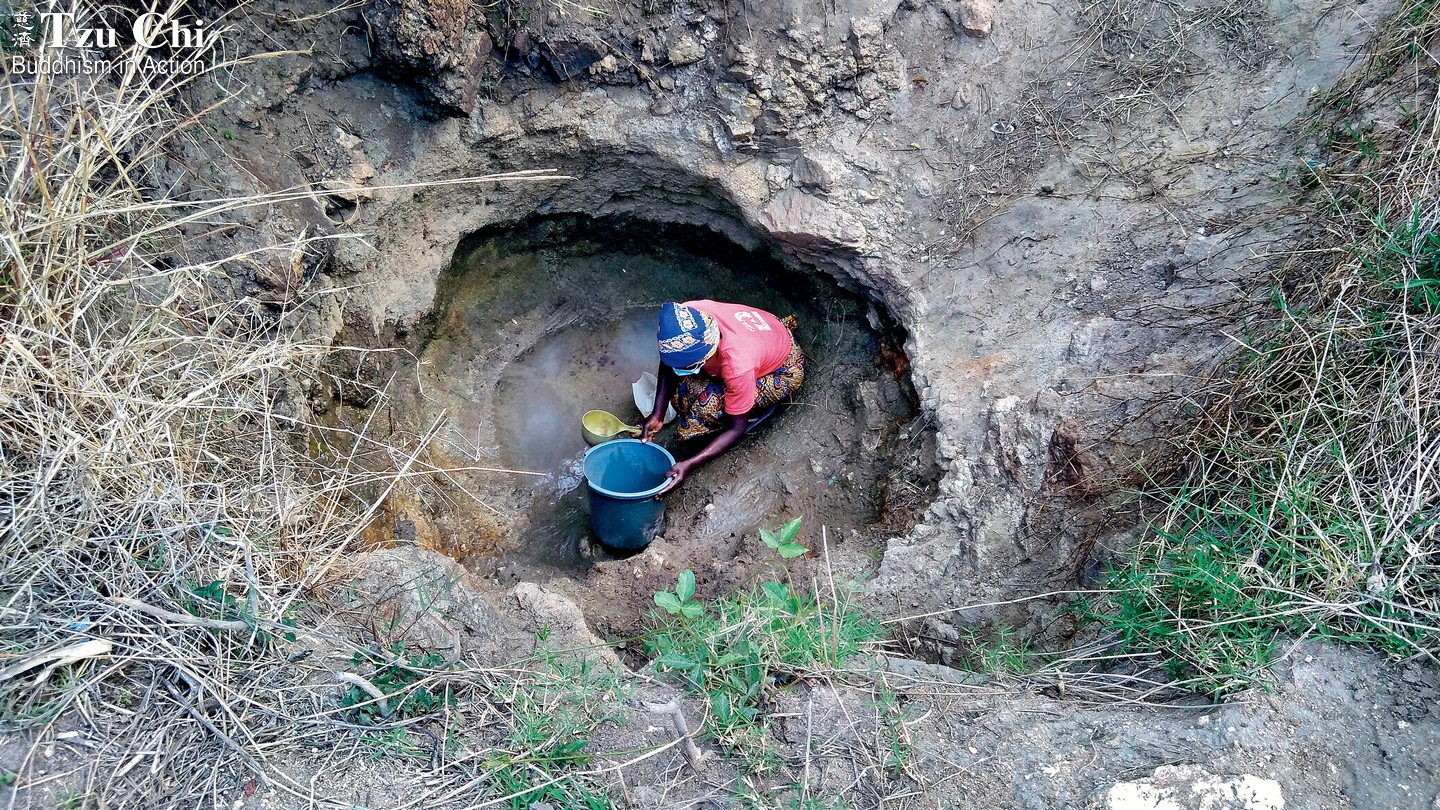
A woman collects water from a water pit in Goromonzi, a rural community in Mashonaland East, Zimbabwe. Despite the poor quality of the water, this pit provides a much-needed water source for local residents. Hlengisile Jiyane

Water is essential for the survival and growth of all living things, yet freshwater resources are limited and unevenly distributed. As climate change alters weather patterns, the frequency and severity of water-related disasters are increasing. It’s time to recognize the true value of water and work towards lasting solutions.

Water for All—Tzu Chi’s Initiatives Around the World

By Yeh Tzu-hao
Translated by Wu Hsiao-ting

PHOTO BY HLENGISILE JIYANE

From drilling wells in Zimbabwe to harvesting rainwater in Taiwan, Tzu Chi’s global efforts bring clean water to those in need while promoting sustainable practices.

In Taiwan, public facilities like train stations, sports venues, shopping malls, and hospitals provide free access to clean drinking water. Anyone with a reusable water bottle can easily find a place to refill it. And that’s not just in Taiwan. In developed and affluent nations, water availability is seldom a concern; the question is usually what to  drink, not whether water is accessible.

In stark contrast, hundreds of millions around the world struggle to secure even a single glass of clean, safe water. A staggering 2.2 billion people lack access to safe drinking water, according to the United Nations Department of Economic and Social Affairs’ 2023 report on the Sustainable Development Goals (SDGs). Sadly, the problem is worsening as climate change intensifies water scarcity.

Digging wells, saving lives

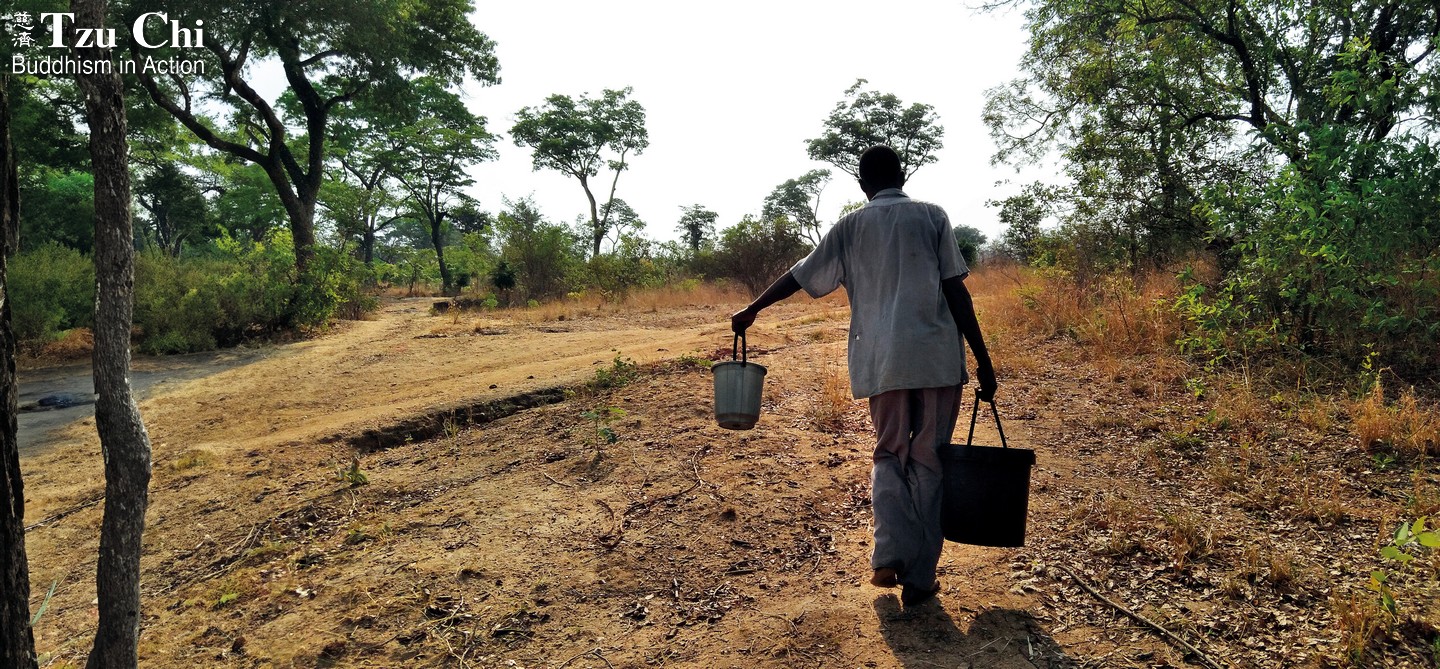
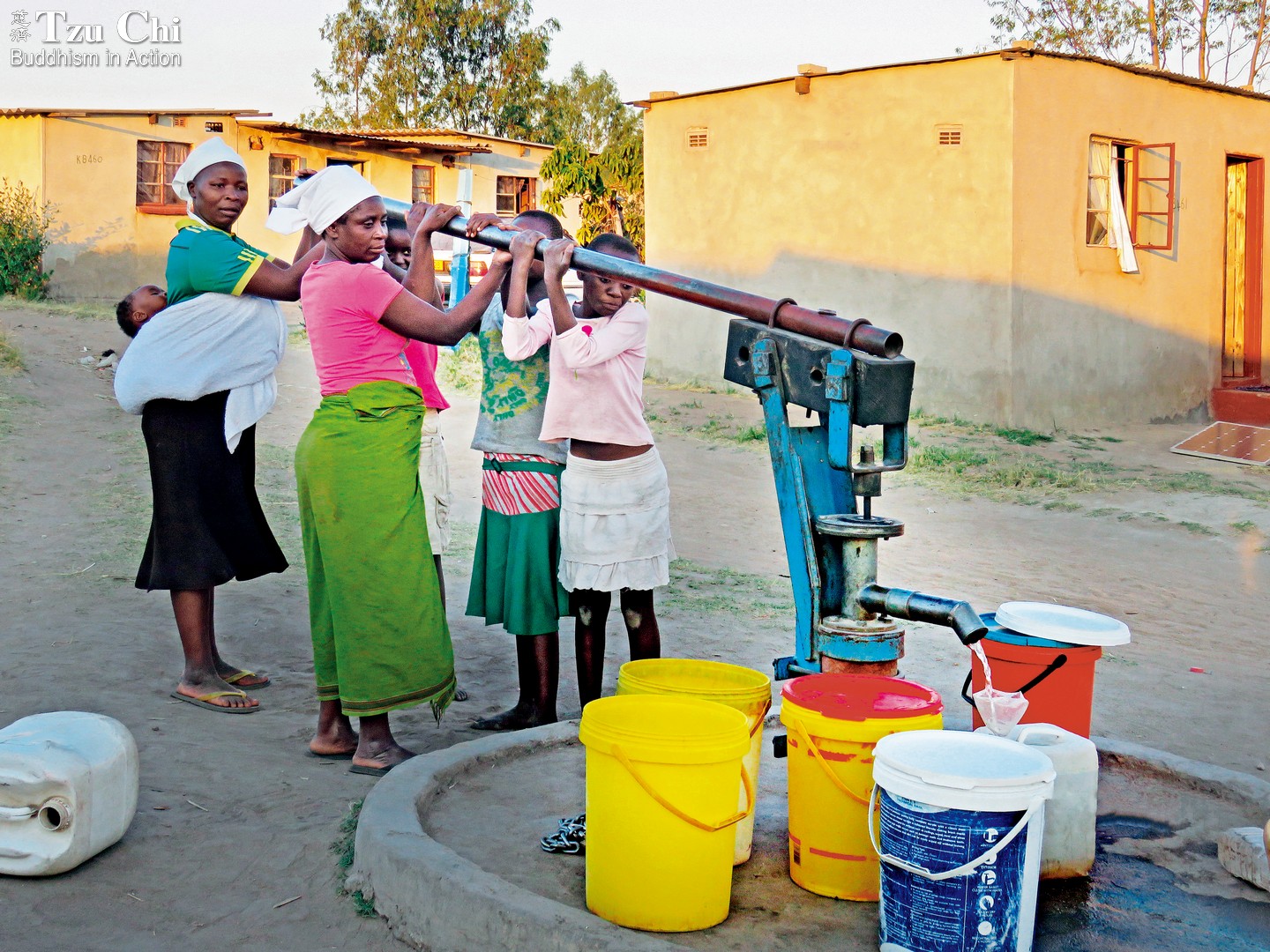
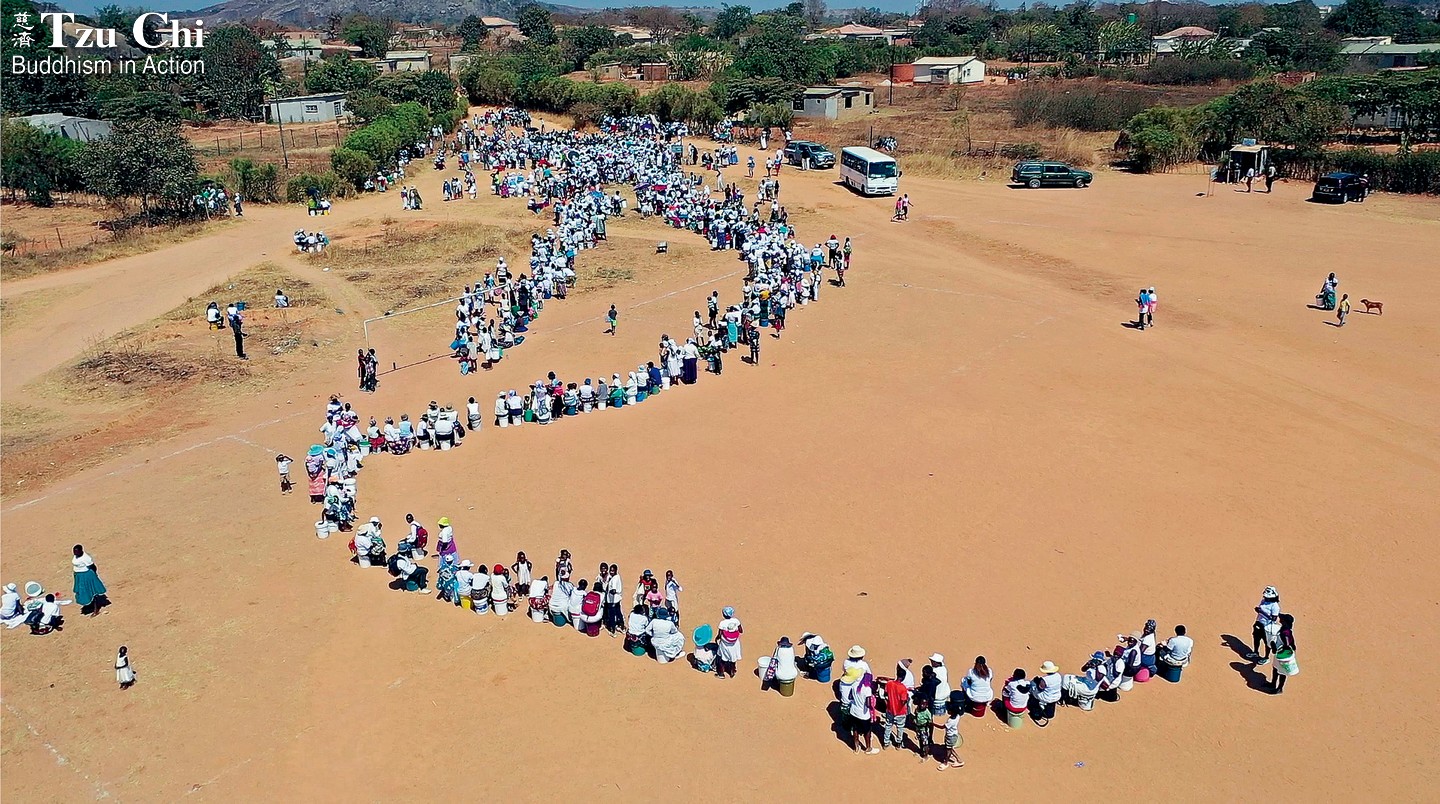
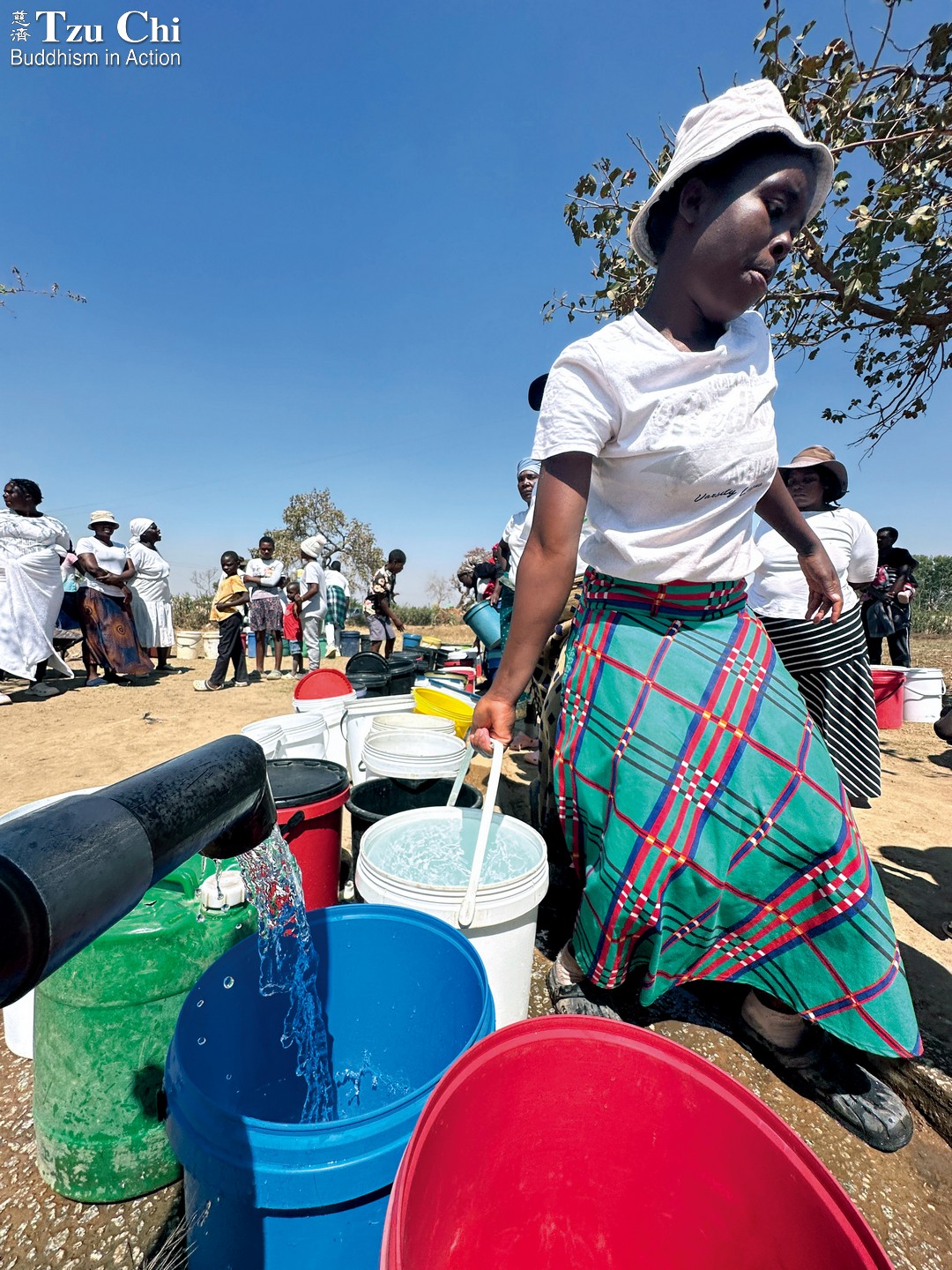
A severe drought that swept across much of southern Africa forced Zimbabwe to declare a state of disaster. In Domboshava, near the national capital of Harare, a long line of people gathered at a well under the scorching sun. After filling their buckets, they set out on the challenging journey home. A fortunate few had bicycles to ease the burden, but many young children and mothers had no choice but to carry the heavy loads home on foot.

Though arduous, this routine marked progress. Previously, residents had to walk over ten kilometers (6.2 miles) to fetch water. The new well reduced the distance to just two or three kilometers.

Tino Chu (朱金財), head of Tzu Chi Zimbabwe and a resident of the country for nearly 30 years, spoke about the struggles faced by communities without functioning wells. Many people in such areas rely on rivers or remote pools for water, risking encounters with crocodiles, wild dogs, and venomous snakes. With no other options available, residents have no choice but to take their chances. What’s worse, the water they collect—shared with wildlife and contaminated with waste—is often unsafe and has led to frequent cases of diarrhea and cholera outbreaks.

Chu recalled a harrowing incident in 2008 when he witnessed a cholera patient succumb to the disease just seven hours after the symptoms first appeared. That year, Zimbabwe recorded over 79,000 cholera cases and more than 3,700 deaths. Experiences and dire statistics like this prompted Chu to take action to make clean water more available. Since 2013, he has led a professional-level team specializing in drilling deep wells to provide clean underground water.

“Zimbabwe’s underground water is generally very clean due to the lack of industrial pollution,” Chu noted. However, drilling or repairing a well requires careful planning to ensure that there is an aquifer, the land is public, and the well is conveniently located near settlements. “I often tell our volunteers that although we are drilling or repairing wells, what we are truly doing is saving lives,” Chu added. “If we don’t take action, many lives could be lost to bacterial infections.”

Chu’s team began with just one well-drilling unit but expanded to five after another major cholera outbreak in 2023, which prompted five provincial governors to seek Chu’s assistance. The team has also greatly improved its efficiency; while drilling a well once took 19 hours, it now takes just five.

The wells drilled by Tzu Chi’s team are deep, providing safer and steadier water supplies than shallow wells or surface water pits. A single well can serve between 1,000 and 5,000 people. Chu’s team has thus far drilled or repaired over 2,000 wells, benefiting at least two million people with access to clean, safe water. Each completed well is met with cheers and celebrations from the local community.

Despite these achievements, water remains a precious commodity and is used sparingly. A family of five typically gets by with just five to seven buckets of water a day, amounting to less than 20 liters per person. Even wastewater from dishwashing is repurposed for livestock. “Seeing chickens desperately waiting for this water is always shocking to me,” Chu shared.

Chu’s efforts to provide clean water in a country with severe water shortages align with the first target of the United Nations’ Sustainable Development Goal 6: ensuring universal access to clean, safe, and affordable drinking water. Tzu Chi, alongside other humanitarian organizations, is addressing water challenges in the world through sourcing, purification, and conservation. Zimbabwe is just one example of Tzu Chi’s broader mission to provide water aid. In August 2024, for instance, the foundation launched its first slow sand filter facility outside Taiwan, in Mozambique, further expanding its efforts to improve access to safe drinking water.

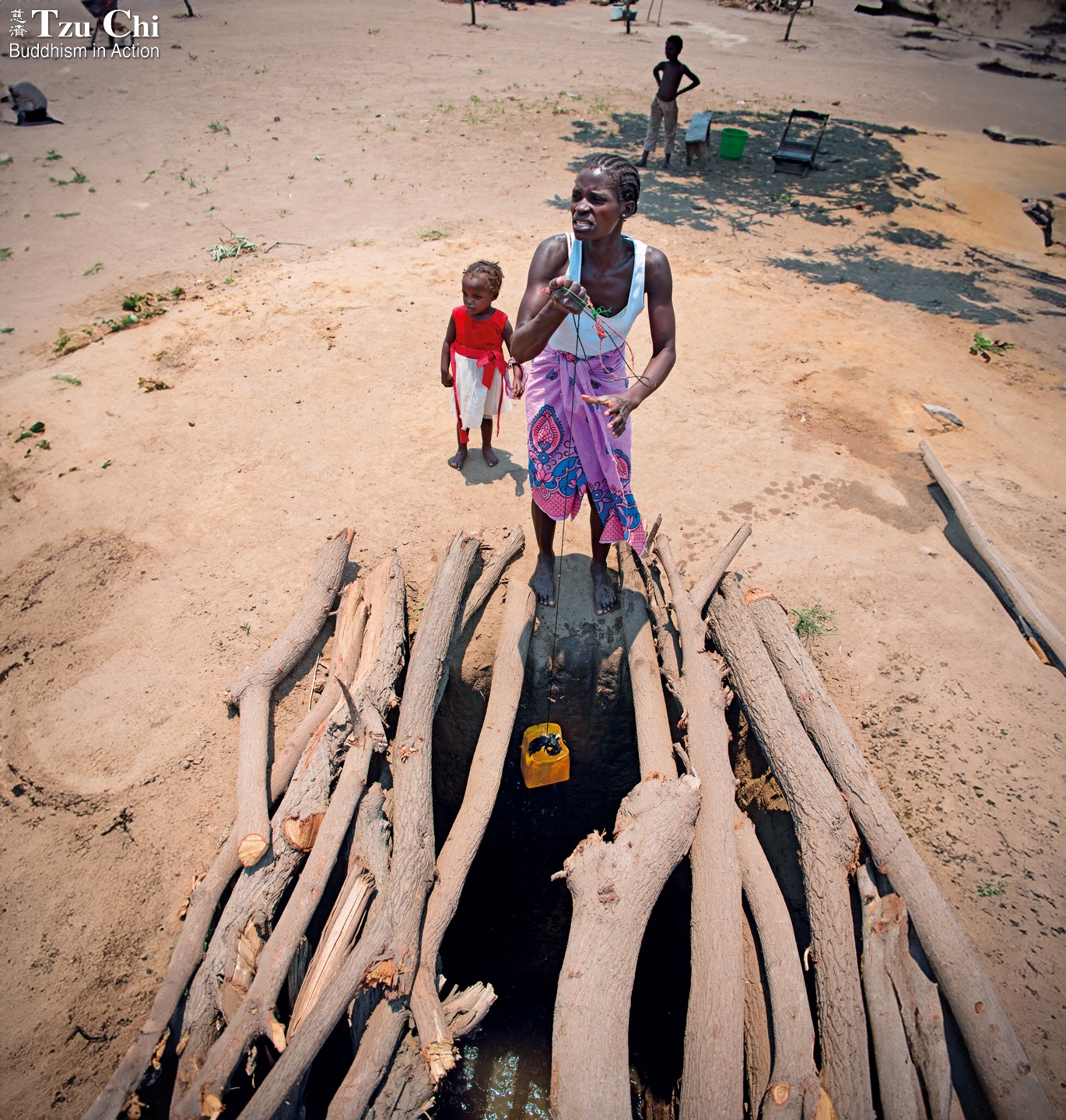
A resident of Tica, Nhamatanda District, Mozambique, draws water from a makeshift well, as witnessed by Tzu Chi volunteers providing care after Cyclone Idai. Cai Kai-fan

Slow sand filtration

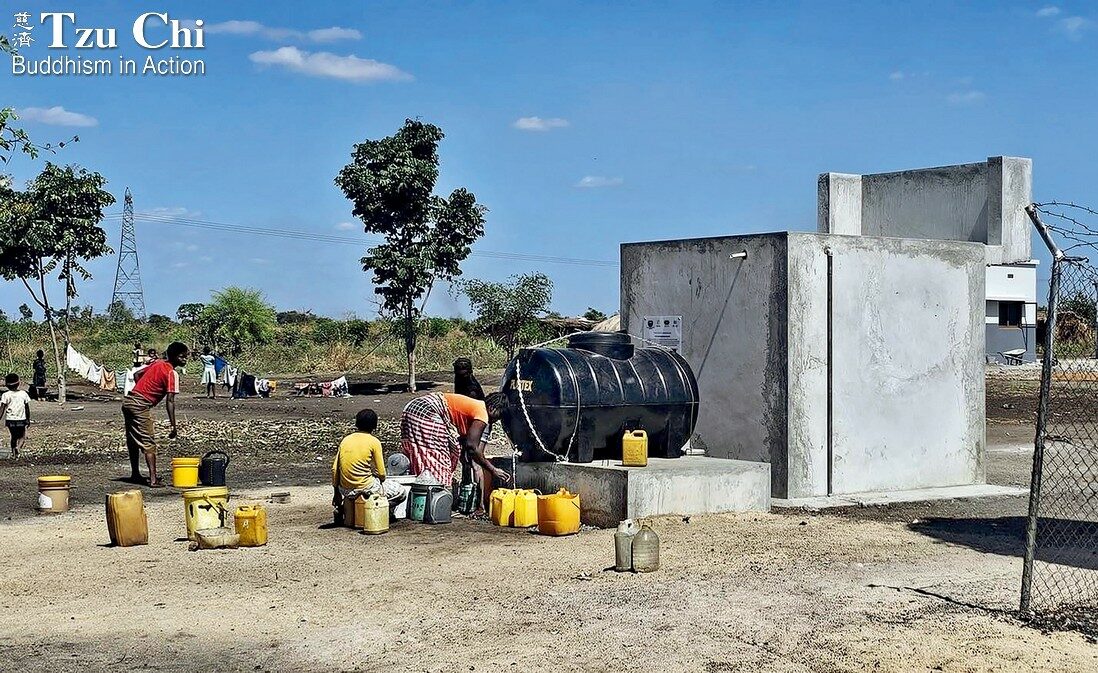
Residents of the Kura Tzu Chi Great Love Village in Sofala Province, Mozambique, cheered with joy before lining up to fill their containers with clean water from a newly installed filtration facility. A Tzu Chi team from Taiwan was present to officially inaugurate this much-welcomed addition to the village. Tzu Chi had built the housing village after Cyclone Idai, with residents gradually moving in starting in 2023. In 2024, a slow sand filter was added to ensure access to clean drinking water.

Xie Yao-lian (謝曜聯), the chief engineer for the project, explained that due to the lack of public electricity in the village, solar-powered pumps are used to draw well water into a storage tank, which then feeds water into the slow sand filter for purification. However, the solar-powered system limits the filter’s operation to daylight hours, making it essential for residents to use water judiciously. If the filter runs dry, it takes about a month to restore its purification process.

Slow sand filtration is not a new technology; it has been in use since the 19th century in England. Unlike modern tap water systems that use chlorination to disinfect water, slow sand filters utilize a natural biological process to remove harmful pathogens.

The Kura Village filtration system was made possible through a collaboration between Tzu Chi and the Taiwan Water Corporation, which provided technical expertise and guidance during construction. Chen Wen-hsiang (陳文祥), director of the corporation’s water quality department, described the system’s structure: layers of sand, pebbles, and bricks. After the system is filled with water, a maturation period allows a biofilm of microorganisms and algae to develop on the top layer of sand. This biofilm helps remove bacteria and impurities from the water.

“This ecosystem functions like an African rainforest,” Chen explained, drawing an analogy to the law of the jungle. “Pathogenic bacteria, such as Vibrio cholerae, are consumed as food within this environment.” In this natural process, organisms regulate one another, eliminating the need for chemical chlorination or replaceable filter cartridges. In addition to being all-natural, the system is highly effective. The coliform bacteria count in the water drops from over 7,000 CFU per 100 mL before filtration to fewer than 20 CFU per 100 mL after. This is nearing Taiwan’s potable water standard of fewer than six CFU per 100 mL. This level of purification effectively reduces the risk of waterborne diseases like cholera.

Tzu Chi has previously employed advanced water purification technologies, such as ultrafiltration membranes to remove harmful bacteria and reverse osmosis systems to desalinate seawater. However, those systems require specialized materials and skilled personnel, making them less suitable for long-term use in developing regions. Slow sand filters, in contrast, offer a more practical solution, as they can be built using locally available materials and maintained with minimal training. “Regular scraping, sand replenishment, and basic upkeep are all that’s needed,” Chen emphasized.

Now that the first slow sand filtration unit in Mozambique is operational, more units are being planned. Tzu Chi is also introducing this technology to other regions, including Zimbabwe, Nepal, and India. In Zimbabwe, volunteers have applied for government approval and hope to begin construction soon.

Tzu Chi built a slow sand filter facility using natural methods to provide clean water. Xie Yao-lian

Residents of Epworth, Harare, Zimbabwe, fetch water from a well drilled by Tzu Chi. Courtesy of Tzu Chi Zimbabwe

Rainwater harvesting

Arid regions face a constant battle against drought. Yet, the opposite isn’t always better. The overabundance of water during typhoons or floods brings little relief, as murky floodwaters offer no safe drinking source. After Typhoon Haiyan in the Philippines and a catastrophic dam collapse in Laos, Tzu Chi volunteers stepped in to provide essential water purification and storage equipment. Every extra liter of clean water brought a glimmer of hope in those challenging times.

Taiwan enjoys widespread access to tap water, and most residents rarely worry about shortages. However, the island’s steep mountainous terrain and short rivers mean that most rainfall quickly flows into the ocean, leaving only 18 percent available for storage and use. This low retention rate, coupled with pronounced wet and dry seasons, intensifies the challenges of water scarcity. The severe drought of 2021 remains a vivid reminder of the importance of integrating water-saving practices into daily life and the need to mobilize businesses, organizations, and the public to take collective action.

Lin Min-chao (林敏朝), a consultant for Tzu Chi’s construction department, recalled the origins of rainwater harvesting and water-saving facilities in Tzu Chi buildings. “We were in a meeting with Master Cheng Yen at Hualien Tzu Chi Hospital one very rainy day in Hualien,” he recounted. “After the meeting, a volunteer pointed out that Hualien’s rainfall in one day exceeded what arid regions in Gansu, China, received in an entire year. Hearing this, the Master reminded us that rainwater is a precious natural resource we must cherish.”

This conversation took place in the late 1990s, a time when concepts like rainwater harvesting, water conservation, and green building were still new in Taiwan, with few industry precedents. Tzu Chi’s construction team decided to begin experimenting with these ideas at Hualien Tzu Chi Hospital.

“A single toilet flush uses 12 liters of water,” Lin explained. “The water-saving toilets we introduced in Hualien Tzu Chi Hospital use only nine liters per flush, saving three liters with each use.” He also shared the team’s approach to rainwater harvesting. Traditionally, rainwater is directed to storage facilities at a building’s foundation level, where it is pumped to water towers on upper floors. Tzu Chi’s team, however, opted for a decentralized system, placing storage tanks directly on upper floors. “For example, rainwater collected on the fifth floor flows down to the third floor, eliminating the need for pumps to bring it back up,” Lin said. This design removes the need for additional electricity to power pumps.

Improving water-use efficiency and ensuring sustainable freshwater supply and reuse are also targets under SDG 6 (Clean Water and Sanitation). In 2000, the rainwater harvesting system at Hualien Tzu Chi Hospital was completed and became operational, significantly reducing tap water consumption. It set a pioneering example for sustainable water management in Taiwan.

Larger Tzu Chi facilities constructed after 2000, including schools and hospitals, have incorporated water-saving and rainwater harvesting systems. Taichung Tzu Chi Hospital, in particular, has excelled in water and energy conservation, earning the Green Building Silver Label from Taiwan’s Ministry of the Interior in 2015.

“Initially, rainwater harvested at our hospital was solely used for watering plants, but now it serves both irrigation and air conditioning needs,” stated Yu Xu-fu (余許富), from the engineering department of Taichung Tzu Chi Hospital. As he spoke, he crouched beneath some rooftop eaves and made his way to the top floor of the hospital’s left-side building.

“There are 26 three-ton water tanks here,” Yu said. The tanks are part of the hospital’s overall water storage system. He added that in the past, rainwater was stored until all the tanks were full. However, with some of the water now diverted for air conditioning, the tanks rarely reach full capacity. “The air conditioning runs daily, requiring 500 to 600 tons of water during the summer,” he noted.

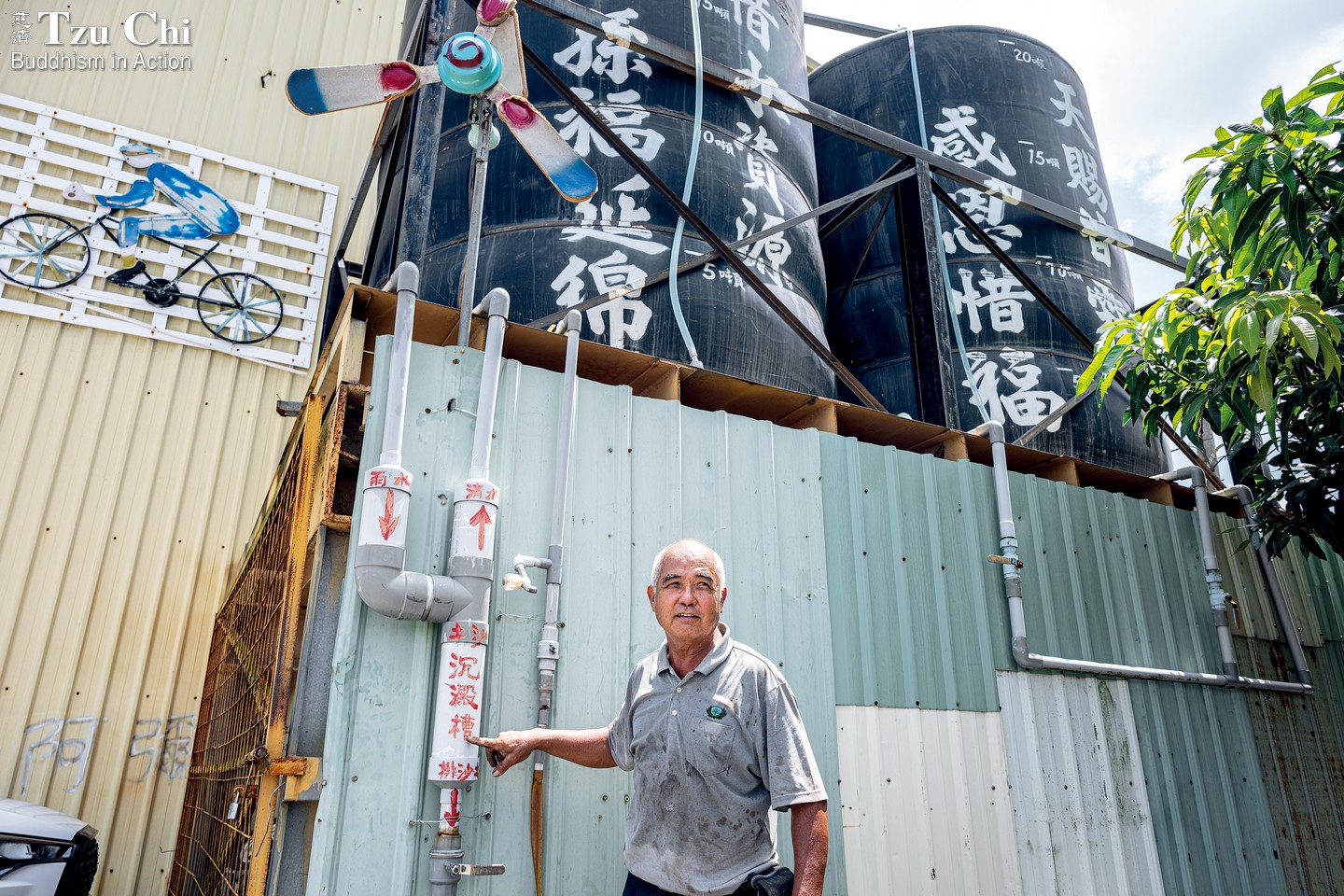
Unlike the discreet rainwater harvesting system at Taichung Tzu Chi Hospital, most of the rainwater facilities at the Tzu Chi Nanbu Recycling Station, located in Nantou County, central Taiwan, are highly visible. The recycling station’s water storage system includes nine tanks of various sizes and a six-ton underground cistern, with a total capacity of 96 tons. Together, these facilities can sustain the station for up to six months without rainfall.

Lin Jin-guo (林金國), who oversees the recycling station and designed its rainwater harvesting system, shared, “Our water reserves had dropped to around 50 tons by the end of July, but were replenished and even overflowed due to Typhoon Gaemi.”

Efficient rainwater use has significantly reduced the station’s reliance on tap water, with bills totaling a mere 200 Taiwanese dollars (US$6.70) every two months. This impressive result prompted an inspection by the water company, which was initially skeptical. In the end, however, Lin was awarded the Water Conservation Public Welfare Award by the Ministry of Economic Affairs’ Water Resources Agency. Now recognized as a water conservation expert, he attracts visits from government organizations and fellow Tzu Chi volunteers seeking to learn from his expertise. Lin has also helped implement rainwater harvesting systems at other recycling stations and the Jing Si Abode, the Buddhist convent founded by Master Cheng Yen.

“When we first established the recycling station,” Lin said, “we envisioned rainwater storage facilities not just for practical use, but also as an educational tool. We hoped to inspire others to cherish rainwater, a gift from nature.” Now, their vision has become a reality.

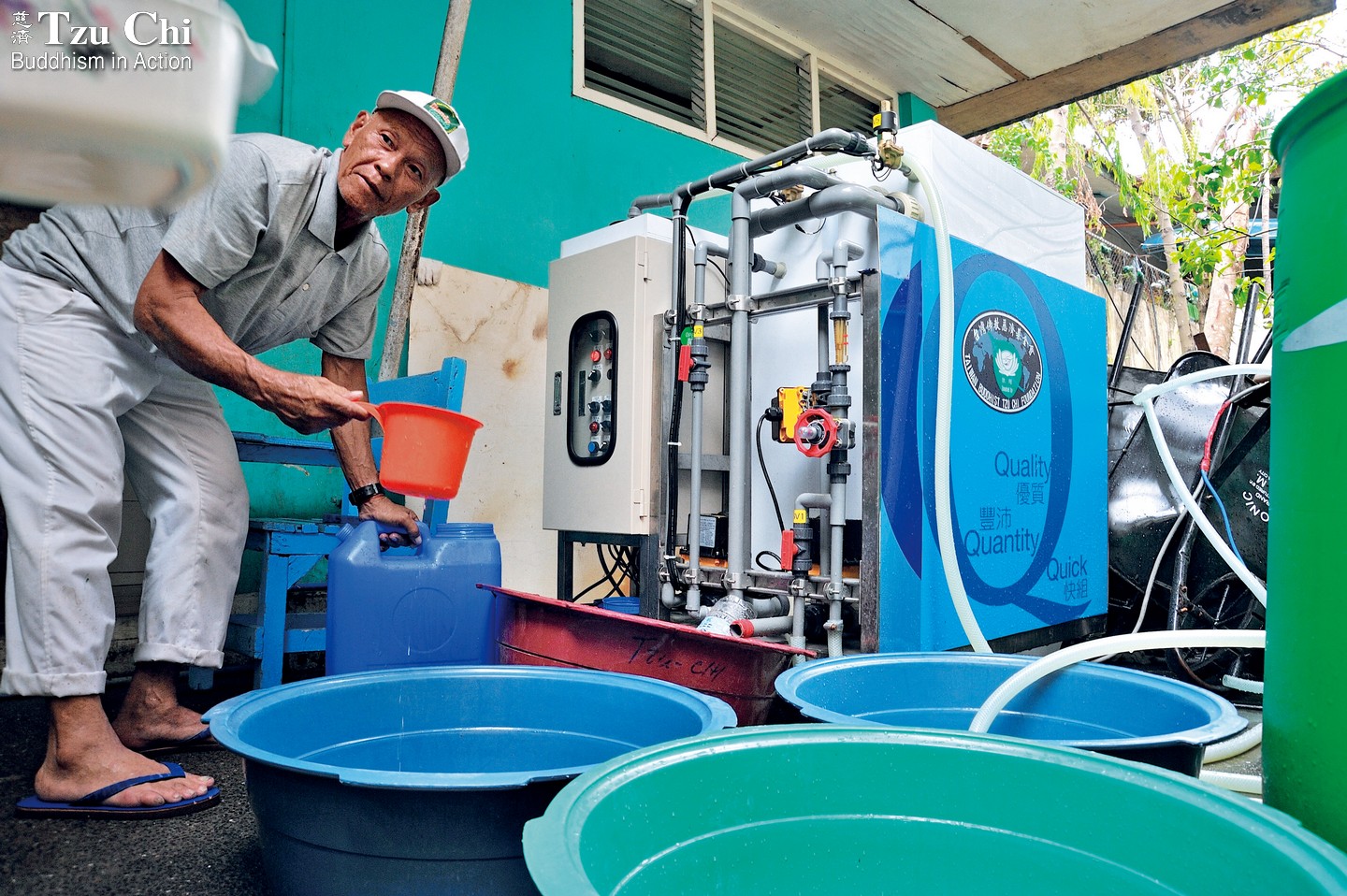
After Typhoon Haiyan struck the Philippines in 2013, Tzu Chi supplied water purification equipment to help ensure clean water for affected residents in Tacloban(Photo 1). Huang Xiao-zhe

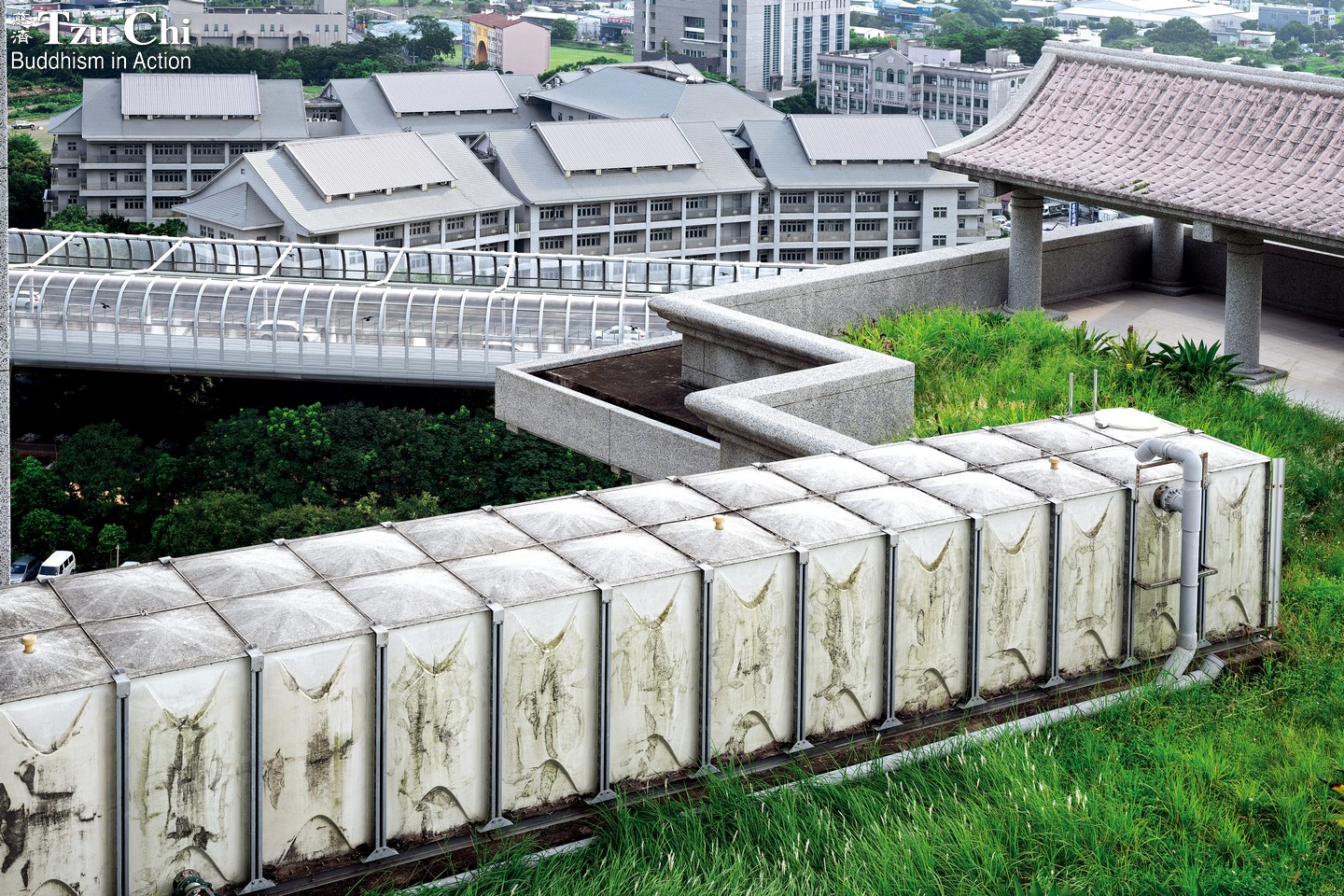
Taichung Tzu Chi Hospital in central Taiwan installed rainwater collection tanks to make use of valuable rainwater resources. Placing such tanks on upper floors conserves electricity by eliminating the need to pump the water(Photo 2). Hsiao Yiu-hwa

Scarcer than they seem

With tap water widely available around the world, many people are unaware of the severity of water shortages and their global implications. The World Health Organization has warned that “as many as 700 million people are at risk of being displaced as a result of drought by 2030,” underscoring the urgent need for greater awareness and action.

To raise awareness of the scarcity and value of water resources, Tzu Chi volunteer Jer Lin Chen (陳哲霖), a recipient of the National Environmental Education Award from Taiwan’s Environmental Protection Administration (now the Ministry of Environment), created an installation artwork called Water Cube, using a thousand PET bottles.

The thousand bottles in the Water Cube symbolize all the water on Earth. Of these, only 25 represent fresh water, while the rest signify salt water. Seventeen of the 25 bottles represent polar icebergs, and seven signify underground water. The amount of surface water available for human use is represented by just one bottle.

“Our Earth may seem to have abundant water, but only 0.1 percent is fresh water we can actually use,” Chen explained. “The stark contrast between one bottle and one thousand bottles vividly illustrates the scarcity of water resources. That’s why we must cherish water as if it were gold.”

Water is the elixir of life for all creatures. As Dharma Master Cheng Yen says, “Water is the essence of life.” Similarly, the United Nations has emphasized that “Water is at the core of sustainable development and is critical for socio-economic development, energy and food production, healthy ecosystems, and human survival itself.”

As water scarcity becomes an ever-growing global crisis, it serves as a stark reminder of how fragile our access to this life-sustaining resource is. With millions already affected, the need for action has never been clearer. Tzu Chi’s initiatives offer hope but also highlight the critical need for widespread, collective efforts to ensure clean water for all. In facing this challenge, we must remember that every action counts in safeguarding the future of our planet and its people.

Lin Jin-guo, a volunteer at the Tzu Chi Nanpu Recycling Station in central Taiwan, designed a rainwater harvesting system using recycled water tanks of various sizes. The collected rainwater is filtered and used within the station, significantly reducing tap water consumption. Hsiao Yiu-hwa

A woman collects water from a water pit in Goromonzi, a rural community in Mashonaland East, Zimbabwe. Despite the poor quality of the water, this pit provides a much-needed water source for local residents. Hlengisile Jiyane

Water is essential for the survival and growth of all living things, yet freshwater resources are limited and unevenly distributed. As climate change alters weather patterns, the frequency and severity of water-related disasters are increasing. It’s time to recognize the true value of water and work towards lasting solutions.

Water for All—Tzu Chi’s Initiatives Around the World

By Yeh Tzu-hao
Translated by Wu Hsiao-ting

PHOTO BY HLENGISILE JIYANE

From drilling wells in Zimbabwe to harvesting rainwater in Taiwan, Tzu Chi’s global efforts bring clean water to those in need while promoting sustainable practices.

In Taiwan, public facilities like train stations, sports venues, shopping malls, and hospitals provide free access to clean drinking water. Anyone with a reusable water bottle can easily find a place to refill it. And that’s not just in Taiwan. In developed and affluent nations, water availability is seldom a concern; the question is usually what to  drink, not whether water is accessible.

In stark contrast, hundreds of millions around the world struggle to secure even a single glass of clean, safe water. A staggering 2.2 billion people lack access to safe drinking water, according to the United Nations Department of Economic and Social Affairs’ 2023 report on the Sustainable Development Goals (SDGs). Sadly, the problem is worsening as climate change intensifies water scarcity.

Digging wells, saving lives

A severe drought that swept across much of southern Africa forced Zimbabwe to declare a state of disaster. In Domboshava, near the national capital of Harare, a long line of people gathered at a well under the scorching sun. After filling their buckets, they set out on the challenging journey home. A fortunate few had bicycles to ease the burden, but many young children and mothers had no choice but to carry the heavy loads home on foot.

Though arduous, this routine marked progress. Previously, residents had to walk over ten kilometers (6.2 miles) to fetch water. The new well reduced the distance to just two or three kilometers.

Tino Chu (朱金財), head of Tzu Chi Zimbabwe and a resident of the country for nearly 30 years, spoke about the struggles faced by communities without functioning wells. Many people in such areas rely on rivers or remote pools for water, risking encounters with crocodiles, wild dogs, and venomous snakes. With no other options available, residents have no choice but to take their chances. What’s worse, the water they collect—shared with wildlife and contaminated with waste—is often unsafe and has led to frequent cases of diarrhea and cholera outbreaks.

Chu recalled a harrowing incident in 2008 when he witnessed a cholera patient succumb to the disease just seven hours after the symptoms first appeared. That year, Zimbabwe recorded over 79,000 cholera cases and more than 3,700 deaths. Experiences and dire statistics like this prompted Chu to take action to make clean water more available. Since 2013, he has led a professional-level team specializing in drilling deep wells to provide clean underground water.

“Zimbabwe’s underground water is generally very clean due to the lack of industrial pollution,” Chu noted. However, drilling or repairing a well requires careful planning to ensure that there is an aquifer, the land is public, and the well is conveniently located near settlements. “I often tell our volunteers that although we are drilling or repairing wells, what we are truly doing is saving lives,” Chu added. “If we don’t take action, many lives could be lost to bacterial infections.”

Chu’s team began with just one well-drilling unit but expanded to five after another major cholera outbreak in 2023, which prompted five provincial governors to seek Chu’s assistance. The team has also greatly improved its efficiency; while drilling a well once took 19 hours, it now takes just five.

The wells drilled by Tzu Chi’s team are deep, providing safer and steadier water supplies than shallow wells or surface water pits. A single well can serve between 1,000 and 5,000 people. Chu’s team has thus far drilled or repaired over 2,000 wells, benefiting at least two million people with access to clean, safe water. Each completed well is met with cheers and celebrations from the local community.

Despite these achievements, water remains a precious commodity and is used sparingly. A family of five typically gets by with just five to seven buckets of water a day, amounting to less than 20 liters per person. Even wastewater from dishwashing is repurposed for livestock. “Seeing chickens desperately waiting for this water is always shocking to me,” Chu shared.

Chu’s efforts to provide clean water in a country with severe water shortages align with the first target of the United Nations’ Sustainable Development Goal 6: ensuring universal access to clean, safe, and affordable drinking water. Tzu Chi, alongside other humanitarian organizations, is addressing water challenges in the world through sourcing, purification, and conservation. Zimbabwe is just one example of Tzu Chi’s broader mission to provide water aid. In August 2024, for instance, the foundation launched its first slow sand filter facility outside Taiwan, in Mozambique, further expanding its efforts to improve access to safe drinking water.

A resident of Tica, Nhamatanda District, Mozambique, draws water from a makeshift well, as witnessed by Tzu Chi volunteers providing care after Cyclone Idai. Cai Kai-fan

Slow sand filtration

Residents of the Kura Tzu Chi Great Love Village in Sofala Province, Mozambique, cheered with joy before lining up to fill their containers with clean water from a newly installed filtration facility. A Tzu Chi team from Taiwan was present to officially inaugurate this much-welcomed addition to the village. Tzu Chi had built the housing village after Cyclone Idai, with residents gradually moving in starting in 2023. In 2024, a slow sand filter was added to ensure access to clean drinking water.

Xie Yao-lian (謝曜聯), the chief engineer for the project, explained that due to the lack of public electricity in the village, solar-powered pumps are used to draw well water into a storage tank, which then feeds water into the slow sand filter for purification. However, the solar-powered system limits the filter’s operation to daylight hours, making it essential for residents to use water judiciously. If the filter runs dry, it takes about a month to restore its purification process.

Slow sand filtration is not a new technology; it has been in use since the 19th century in England. Unlike modern tap water systems that use chlorination to disinfect water, slow sand filters utilize a natural biological process to remove harmful pathogens.

The Kura Village filtration system was made possible through a collaboration between Tzu Chi and the Taiwan Water Corporation, which provided technical expertise and guidance during construction. Chen Wen-hsiang (陳文祥), director of the corporation’s water quality department, described the system’s structure: layers of sand, pebbles, and bricks. After the system is filled with water, a maturation period allows a biofilm of microorganisms and algae to develop on the top layer of sand. This biofilm helps remove bacteria and impurities from the water.

“This ecosystem functions like an African rainforest,” Chen explained, drawing an analogy to the law of the jungle. “Pathogenic bacteria, such as Vibrio cholerae, are consumed as food within this environment.” In this natural process, organisms regulate one another, eliminating the need for chemical chlorination or replaceable filter cartridges. In addition to being all-natural, the system is highly effective. The coliform bacteria count in the water drops from over 7,000 CFU per 100 mL before filtration to fewer than 20 CFU per 100 mL after. This is nearing Taiwan’s potable water standard of fewer than six CFU per 100 mL. This level of purification effectively reduces the risk of waterborne diseases like cholera.

Tzu Chi has previously employed advanced water purification technologies, such as ultrafiltration membranes to remove harmful bacteria and reverse osmosis systems to desalinate seawater. However, those systems require specialized materials and skilled personnel, making them less suitable for long-term use in developing regions. Slow sand filters, in contrast, offer a more practical solution, as they can be built using locally available materials and maintained with minimal training. “Regular scraping, sand replenishment, and basic upkeep are all that’s needed,” Chen emphasized.

Now that the first slow sand filtration unit in Mozambique is operational, more units are being planned. Tzu Chi is also introducing this technology to other regions, including Zimbabwe, Nepal, and India. In Zimbabwe, volunteers have applied for government approval and hope to begin construction soon.

Tzu Chi built a slow sand filter facility using natural methods to provide clean water. Xie Yao-lian

Residents of Epworth, Harare, Zimbabwe, fetch water from a well drilled by Tzu Chi. Courtesy of Tzu Chi Zimbabwe

Rainwater harvesting

Arid regions face a constant battle against drought. Yet, the opposite isn’t always better. The overabundance of water during typhoons or floods brings little relief, as murky floodwaters offer no safe drinking source. After Typhoon Haiyan in the Philippines and a catastrophic dam collapse in Laos, Tzu Chi volunteers stepped in to provide essential water purification and storage equipment. Every extra liter of clean water brought a glimmer of hope in those challenging times.

Taiwan enjoys widespread access to tap water, and most residents rarely worry about shortages. However, the island’s steep mountainous terrain and short rivers mean that most rainfall quickly flows into the ocean, leaving only 18 percent available for storage and use. This low retention rate, coupled with pronounced wet and dry seasons, intensifies the challenges of water scarcity. The severe drought of 2021 remains a vivid reminder of the importance of integrating water-saving practices into daily life and the need to mobilize businesses, organizations, and the public to take collective action.

Lin Min-chao (林敏朝), a consultant for Tzu Chi’s construction department, recalled the origins of rainwater harvesting and water-saving facilities in Tzu Chi buildings. “We were in a meeting with Master Cheng Yen at Hualien Tzu Chi Hospital one very rainy day in Hualien,” he recounted. “After the meeting, a volunteer pointed out that Hualien’s rainfall in one day exceeded what arid regions in Gansu, China, received in an entire year. Hearing this, the Master reminded us that rainwater is a precious natural resource we must cherish.”

This conversation took place in the late 1990s, a time when concepts like rainwater harvesting, water conservation, and green building were still new in Taiwan, with few industry precedents. Tzu Chi’s construction team decided to begin experimenting with these ideas at Hualien Tzu Chi Hospital.

“A single toilet flush uses 12 liters of water,” Lin explained. “The water-saving toilets we introduced in Hualien Tzu Chi Hospital use only nine liters per flush, saving three liters with each use.” He also shared the team’s approach to rainwater harvesting. Traditionally, rainwater is directed to storage facilities at a building’s foundation level, where it is pumped to water towers on upper floors. Tzu Chi’s team, however, opted for a decentralized system, placing storage tanks directly on upper floors. “For example, rainwater collected on the fifth floor flows down to the third floor, eliminating the need for pumps to bring it back up,” Lin said. This design removes the need for additional electricity to power pumps.

Improving water-use efficiency and ensuring sustainable freshwater supply and reuse are also targets under SDG 6 (Clean Water and Sanitation). In 2000, the rainwater harvesting system at Hualien Tzu Chi Hospital was completed and became operational, significantly reducing tap water consumption. It set a pioneering example for sustainable water management in Taiwan.

Larger Tzu Chi facilities constructed after 2000, including schools and hospitals, have incorporated water-saving and rainwater harvesting systems. Taichung Tzu Chi Hospital, in particular, has excelled in water and energy conservation, earning the Green Building Silver Label from Taiwan’s Ministry of the Interior in 2015.

“Initially, rainwater harvested at our hospital was solely used for watering plants, but now it serves both irrigation and air conditioning needs,” stated Yu Xu-fu (余許富), from the engineering department of Taichung Tzu Chi Hospital. As he spoke, he crouched beneath some rooftop eaves and made his way to the top floor of the hospital’s left-side building.

“There are 26 three-ton water tanks here,” Yu said. The tanks are part of the hospital’s overall water storage system. He added that in the past, rainwater was stored until all the tanks were full. However, with some of the water now diverted for air conditioning, the tanks rarely reach full capacity. “The air conditioning runs daily, requiring 500 to 600 tons of water during the summer,” he noted.

Unlike the discreet rainwater harvesting system at Taichung Tzu Chi Hospital, most of the rainwater facilities at the Tzu Chi Nanbu Recycling Station, located in Nantou County, central Taiwan, are highly visible. The recycling station’s water storage system includes nine tanks of various sizes and a six-ton underground cistern, with a total capacity of 96 tons. Together, these facilities can sustain the station for up to six months without rainfall.

Lin Jin-guo (林金國), who oversees the recycling station and designed its rainwater harvesting system, shared, “Our water reserves had dropped to around 50 tons by the end of July, but were replenished and even overflowed due to Typhoon Gaemi.”

Efficient rainwater use has significantly reduced the station’s reliance on tap water, with bills totaling a mere 200 Taiwanese dollars (US$6.70) every two months. This impressive result prompted an inspection by the water company, which was initially skeptical. In the end, however, Lin was awarded the Water Conservation Public Welfare Award by the Ministry of Economic Affairs’ Water Resources Agency. Now recognized as a water conservation expert, he attracts visits from government organizations and fellow Tzu Chi volunteers seeking to learn from his expertise. Lin has also helped implement rainwater harvesting systems at other recycling stations and the Jing Si Abode, the Buddhist convent founded by Master Cheng Yen.

“When we first established the recycling station,” Lin said, “we envisioned rainwater storage facilities not just for practical use, but also as an educational tool. We hoped to inspire others to cherish rainwater, a gift from nature.” Now, their vision has become a reality.

After Typhoon Haiyan struck the Philippines in 2013, Tzu Chi supplied water purification equipment to help ensure clean water for affected residents in Tacloban(Photo 1). Huang Xiao-zhe

Taichung Tzu Chi Hospital in central Taiwan installed rainwater collection tanks to make use of valuable rainwater resources. Placing such tanks on upper floors conserves electricity by eliminating the need to pump the water(Photo 2). Hsiao Yiu-hwa

Scarcer than they seem

With tap water widely available around the world, many people are unaware of the severity of water shortages and their global implications. The World Health Organization has warned that “as many as 700 million people are at risk of being displaced as a result of drought by 2030,” underscoring the urgent need for greater awareness and action.

To raise awareness of the scarcity and value of water resources, Tzu Chi volunteer Jer Lin Chen (陳哲霖), a recipient of the National Environmental Education Award from Taiwan’s Environmental Protection Administration (now the Ministry of Environment), created an installation artwork called Water Cube, using a thousand PET bottles.

The thousand bottles in the Water Cube symbolize all the water on Earth. Of these, only 25 represent fresh water, while the rest signify salt water. Seventeen of the 25 bottles represent polar icebergs, and seven signify underground water. The amount of surface water available for human use is represented by just one bottle.

“Our Earth may seem to have abundant water, but only 0.1 percent is fresh water we can actually use,” Chen explained. “The stark contrast between one bottle and one thousand bottles vividly illustrates the scarcity of water resources. That’s why we must cherish water as if it were gold.”

Water is the elixir of life for all creatures. As Dharma Master Cheng Yen says, “Water is the essence of life.” Similarly, the United Nations has emphasized that “Water is at the core of sustainable development and is critical for socio-economic development, energy and food production, healthy ecosystems, and human survival itself.”

As water scarcity becomes an ever-growing global crisis, it serves as a stark reminder of how fragile our access to this life-sustaining resource is. With millions already affected, the need for action has never been clearer. Tzu Chi’s initiatives offer hope but also highlight the critical need for widespread, collective efforts to ensure clean water for all. In facing this challenge, we must remember that every action counts in safeguarding the future of our planet and its people.

Lin Jin-guo, a volunteer at the Tzu Chi Nanpu Recycling Station in central Taiwan, designed a rainwater harvesting system using recycled water tanks of various sizes. The collected rainwater is filtered and used within the station, significantly reducing tap water consumption. Hsiao Yiu-hwa

關鍵字

Words From Dharma Master Cheng Yen—The Strength of Collective Love

Translated by Teresa Chang

At our year-end blessing and volunteer certification ceremonies in December, I saw volunteers from over 20 countries and regions. Some had journeyed tens of thousands of kilometers to Taiwan, enduring over 50 hours of travel and transiting through three countries. Meeting like this was not easy. Some spoke different languages, and although I couldn’t understand their words when they shared their life stories and Tzu Chi experiences on stage, I felt immense joy. This joy came from knowing they carry love in their hearts and have chosen a path of compassion and service. I believe they are among the happiest and most blessed people.

As I certified each new volunteer, I said, “Bless you. Be diligent [on the Bodhisattva Path].” I’m deeply grateful to all our volunteers. In a world filled with suffering, no single person can help everyone. That’s why our collective efforts are so vital. Regardless of religion or nationality, we are united in a shared mission: to alleviate suffering and serve those in need.

The Buddha was born into this world over 2,500 years ago. As a prince and heir to a kingdom, he lived a life of privilege. However, upon witnessing the suffering of people outside the palace—so different from his own life—he chose to renounce his throne and seek the truth. After attaining enlightenment, he wished for everyone to understand the true nature of life, cultivate wisdom, and sow blessings. He dedicated himself to guiding others along this path.

The Buddha shared a wealth of wisdom with the world, and I’ve always aspired to repay this kindness. Fulfilling my wish to contribute to the Buddha’s birthplace and other significant locations in his life’s journey, our volunteers from Singapore and Malaysia have traveled in successive groups to Nepal and India. In underserved villages, they have distributed aid, provided medical care, conducted vocational training, and built homes and school facilities. I deeply appreciate their dedication to uplifting the needy in these regions.

But help is needed beyond India and Nepal. Around the world, countless people contend with difficulties in their daily lives. In drought-stricken areas, even a single blade of grass struggles to survive. In Zimbabwe, for instance, people undertake arduous journeys to collect water—often unclean—while risking attacks from animals. Since 2013, our volunteer Tino Chu (朱金財) has led a team in building and repairing wells to address the country’s water scarcity; they have drilled or repaired over 2,000 wells. With the help of other volunteers, he also provides daily lunches to approximately 17,000 people, six days a week. Working in a country plagued by water scarcity and food insecurity is no easy task. I often reflect on how Mr. Chu has persevered for so many years, and I wonder: How many people have received food aid from us? And how many more suffering individuals remain unseen and unreachable?

Challenges abound in our world. Every evening, I watch global news. Beyond the impacts of climate change and natural disasters, countries are mired in crises as people fight over resources, leaving others to suffer and unable to live in peace. Seeing this fills my heart with sorrow. Why must there be such division, conflict, and strife? Without peace, even the greatest wealth holds no true value.

The Earth provides abundantly, offering plentiful crops. With such resources, humanity should not face shortages. Yet, disputes over resources, divisions, and strife cause unnecessary suffering. If people harbored love in their hearts, supported one another, and embraced openness and tolerance, this world could be a paradise.

It was with this belief that I founded Tzu Chi over 50 years ago. The early days were incredibly challenging, but I constantly reminded myself to stay true to my original aspirations and persevere. Gradually, the positive impact of our efforts became evident, drawing more and more people to join us. While one person alone may not accomplish much, anything is possible when everyone’s love comes together.

This year, as I left the Abode to preside over our year-end blessing ceremonies, I felt even weaker than last year. Age continues to take its toll on me. In the face of life’s impermanence, I seek only to make the most of each day. Each morning, if I can move my hands and feet and get out of bed, I focus on accomplishing what needs to be done. The Buddha’s love embraces the universe, and my aspirations to serve are equally boundless. If I cannot fulfill them all in this life, I will carry them forward into the next. Please be ever more mindful.

Master Cheng Yen teaches that even when individual efforts may appear small, the collective power of love can accomplish anything. Huang Xiao-zhe

Translated by Teresa Chang

At our year-end blessing and volunteer certification ceremonies in December, I saw volunteers from over 20 countries and regions. Some had journeyed tens of thousands of kilometers to Taiwan, enduring over 50 hours of travel and transiting through three countries. Meeting like this was not easy. Some spoke different languages, and although I couldn’t understand their words when they shared their life stories and Tzu Chi experiences on stage, I felt immense joy. This joy came from knowing they carry love in their hearts and have chosen a path of compassion and service. I believe they are among the happiest and most blessed people.

As I certified each new volunteer, I said, “Bless you. Be diligent [on the Bodhisattva Path].” I’m deeply grateful to all our volunteers. In a world filled with suffering, no single person can help everyone. That’s why our collective efforts are so vital. Regardless of religion or nationality, we are united in a shared mission: to alleviate suffering and serve those in need.

The Buddha was born into this world over 2,500 years ago. As a prince and heir to a kingdom, he lived a life of privilege. However, upon witnessing the suffering of people outside the palace—so different from his own life—he chose to renounce his throne and seek the truth. After attaining enlightenment, he wished for everyone to understand the true nature of life, cultivate wisdom, and sow blessings. He dedicated himself to guiding others along this path.

The Buddha shared a wealth of wisdom with the world, and I’ve always aspired to repay this kindness. Fulfilling my wish to contribute to the Buddha’s birthplace and other significant locations in his life’s journey, our volunteers from Singapore and Malaysia have traveled in successive groups to Nepal and India. In underserved villages, they have distributed aid, provided medical care, conducted vocational training, and built homes and school facilities. I deeply appreciate their dedication to uplifting the needy in these regions.

But help is needed beyond India and Nepal. Around the world, countless people contend with difficulties in their daily lives. In drought-stricken areas, even a single blade of grass struggles to survive. In Zimbabwe, for instance, people undertake arduous journeys to collect water—often unclean—while risking attacks from animals. Since 2013, our volunteer Tino Chu (朱金財) has led a team in building and repairing wells to address the country’s water scarcity; they have drilled or repaired over 2,000 wells. With the help of other volunteers, he also provides daily lunches to approximately 17,000 people, six days a week. Working in a country plagued by water scarcity and food insecurity is no easy task. I often reflect on how Mr. Chu has persevered for so many years, and I wonder: How many people have received food aid from us? And how many more suffering individuals remain unseen and unreachable?

Challenges abound in our world. Every evening, I watch global news. Beyond the impacts of climate change and natural disasters, countries are mired in crises as people fight over resources, leaving others to suffer and unable to live in peace. Seeing this fills my heart with sorrow. Why must there be such division, conflict, and strife? Without peace, even the greatest wealth holds no true value.

The Earth provides abundantly, offering plentiful crops. With such resources, humanity should not face shortages. Yet, disputes over resources, divisions, and strife cause unnecessary suffering. If people harbored love in their hearts, supported one another, and embraced openness and tolerance, this world could be a paradise.

It was with this belief that I founded Tzu Chi over 50 years ago. The early days were incredibly challenging, but I constantly reminded myself to stay true to my original aspirations and persevere. Gradually, the positive impact of our efforts became evident, drawing more and more people to join us. While one person alone may not accomplish much, anything is possible when everyone’s love comes together.

This year, as I left the Abode to preside over our year-end blessing ceremonies, I felt even weaker than last year. Age continues to take its toll on me. In the face of life’s impermanence, I seek only to make the most of each day. Each morning, if I can move my hands and feet and get out of bed, I focus on accomplishing what needs to be done. The Buddha’s love embraces the universe, and my aspirations to serve are equally boundless. If I cannot fulfill them all in this life, I will carry them forward into the next. Please be ever more mindful.

Master Cheng Yen teaches that even when individual efforts may appear small, the collective power of love can accomplish anything. Huang Xiao-zhe

關鍵字

Water Scarcity and Crop Failure in Zimbabwe—Providing Wells and Hot Meals

By Xu Fei-li
Abridged and translated by Wu Hsiao-ting

In April 2024, Zimbabwe declared a state of disaster as an ongoing drought left half of the country’s 16 million people facing food shortages. Tzu Chi is helping to address this crisis.

A single well can provide safe drinking water to hundreds of households within a three-kilometer radius. The aerial photo shows a long line of people waiting to fetch water from a well repaired by Tzu Chi in Domboshava. Li Wen-jie

Our team from Da Ai TV, together with Tzu Chi’s Africa Care Team, arrived in Zimbabwe in mid-August 2024. At volunteer Tino Chu’s home in the capital city of Harare, we were greeted with a large pot of vegetable soup made with fresh corn, shiitake mushrooms, and radishes—enough to feed an army. The sight brought me nearly to tears.

What might seem like a simple meal elsewhere is a rare and precious treat in many African countries south of the Sahara. In Mozambique, our previous stop, fresh corn was nowhere to be found. Locals typically dry it, grind it into powder, and cook it into a bland, porridge-like paste mixed with water. This staple dish is not meant to delight the palate but to stave off hunger. For many in these regions, securing even the most basic sustenance is a daily struggle, and meals are dictated by survival rather than choice.

El Niño is a climate phenomenon that has existed for thousands of years, but its impacts on humanity have been significantly more pronounced since the 20th century, particularly in Zimbabwe. In April 2024, the Zimbabwean government declared a national disaster as an El Niño-induced drought triggered severe food shortages, leaving more than half of the country’s 16 million people in need of food.

Food insecurity is not new in Zimbabwe. Over the years, Tzu Chi has worked to address this need, establishing 52 hot meal stations that now provide daily lunches to 16,000 people.

At a hot meal station in Domboshava, near Harare, we were deeply shocked witnessing the overwhelming need firsthand. The site teemed with people—some had walked up to two hours for a meal. Many families own farmland, but the relentless drought had caused crops like corn to fail.

The distributions primarily focus on children, so families often bring their little ones along. Mothers carried or led their children through the crowd, each child clutching a large lunchbox. Amid the hubbub, some children became separated from their families and were brought to Tzu Chi volunteers. Announcements were used to help reunite them. Despite tears streaming down their faces, the children clung tightly to their lunchboxes, aware that this meal might be their family’s only food for the day.

At the Domboshava station, alongside the staple corn paste, Tzu Chi volunteers had prepared rice, potatoes, mashed beans, and cabbage—a feast by local standards. Volunteer Issac pointed out that due to the large crowds, distributing a single meal could take up to two hours.

Thousands of miles away in Taiwan, Dharma Master Cheng Yen viewed images of the massive crowds at Zimbabwe’s hot meal stations when our news was broadcast. Deeply concerned, she sought a clearer understanding of the drought, the food shortages, and how Tzu Chi could optimize its aid efforts to better support those in need.

On average, a family requires five to seven buckets of water each day to meet their needs. Xu Fei-li

Water: scarce and precious

At Brother Chu’s home, we did not directly experience Zimbabwe’s food shortages, nor were we affected by the water shortage. According to Chu, tap water was supplied only once a week in Harare, “but no one knows which day it will come.” Even when it did arrive, the water often flowed brown from the pipes, making it nearly unusable.

During the severe cholera outbreak in 2008, contaminated water and food posed a significant risk. In response, Chu spent 12,000 U.S. dollars to dig a 55-meter (180-foot) well in his front yard to ensure his family had access to clean water. While the groundwater is clean and sufficient for daily needs, the family still purchases bottled water for drinking.

Originally from Taiwan, Chu has lived in Zimbabwe for nearly 30 years. While he has the financial means to secure a reliable water source, the same cannot be said for most locals. Repairing a well costs around 3,000 U.S. dollars and drilling a new one ranges from 7,000 to 8,000 dollars—unaffordable for the majority.

Understanding this hardship, Chu took action. Over the past 11 years, the Tzu Chi well-drilling team he leads has drilled or repaired more than 2,000 wells. When they receive reports of a broken well, the team heads out to carry out repairs.

We joined the team on one such trip. The journey was rough—the bumpy ride caused us considerable discomfort. As we left paved roads for dirt paths, the landscape turned stark, with sparse trees and vast stretches of barren land.

Our destination was a well in Mhondoro, built decades ago as a rest stop for travelers. It had been broken for 24 years. Upon arrival, Chu and his team dismantled the pump. An earlier survey by the team had revealed large beehives inside the well. After the local government removed the hives, the team returned to complete the repairs.

I was surprised to see female team members working alongside men, skillfully using large pliers to dismantle the pump. Chu had trained them in the necessary techniques. Once the pump was disassembled, the team identified the faulty parts and replaced them.

With training and experience, the team can now repair two wells in a single day. Beyond their technical work, they also connect with villagers, sharing Tzu Chi’s values and philosophy to inspire hope and resilience.

Under Chu’s leadership, the team has expanded from one unit to five, working entirely free of charge to provide access to clean water. Their efforts have made the Tzu Chi well-drilling team a trusted name in Zimbabwe.

On our way back, we rode in the team’s vehicle, packed with heavy machinery. Though the ride was as rough as before, the volunteers’ spirits remained high. They clapped and sang, their determination to help Zimbabwe shining through.

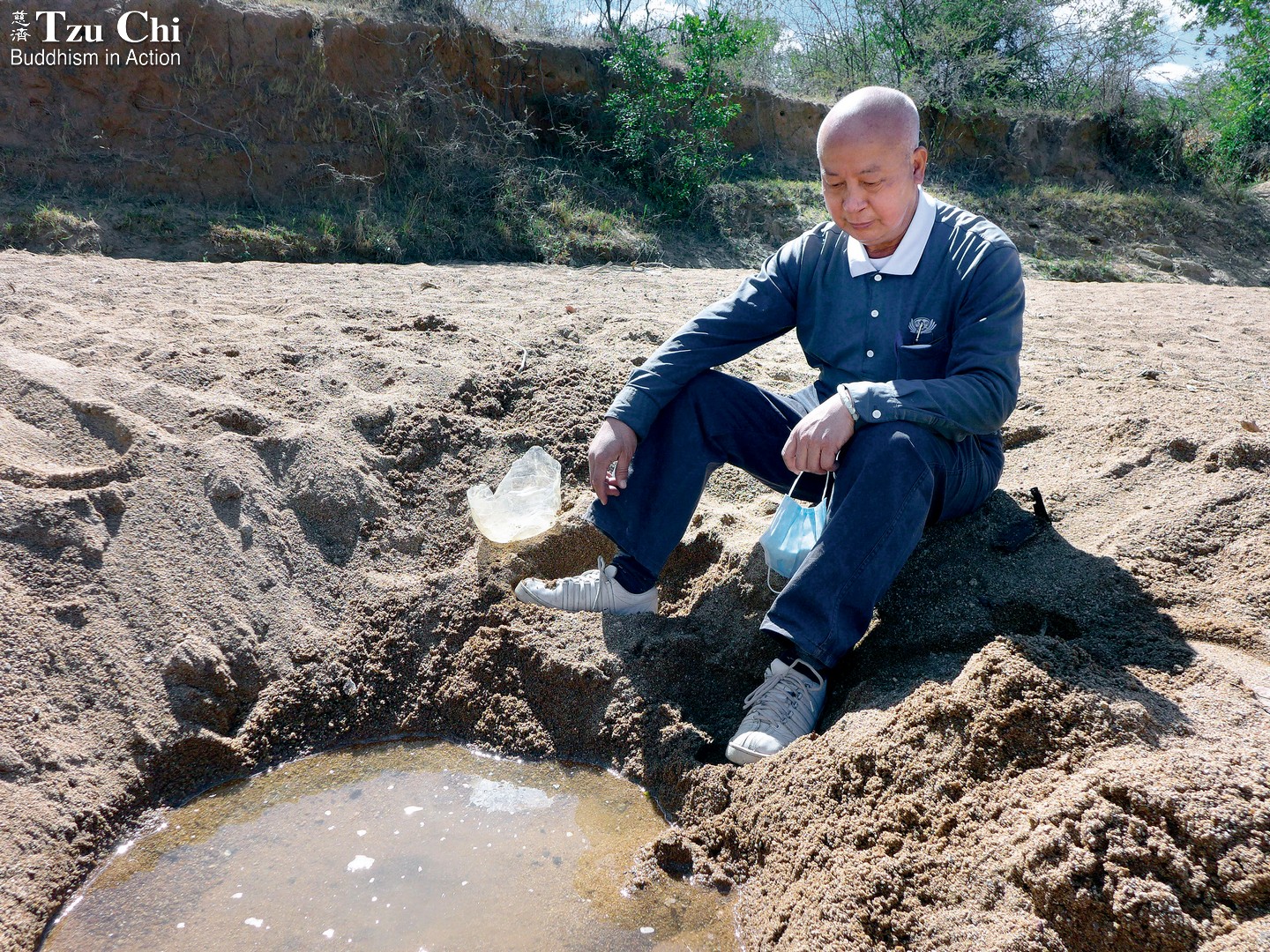
Sitting on a dry riverbed, Tino Chu looks at a hole dug by local residents to collect water. In Zimbab­we, where a water supply infrastructure is lacking, repairing or drilling wells is a life-saving endeavor. Hlengisile Jiyane

A call for greater efforts

After we returned to Taiwan, Master De Hao (德浩) at the Jing Si Abode shared an unexpected fact with me: bananas, a common fruit in Taiwan, are extremely expensive in Zimbabwe. “Master Cheng Yen eats one banana a day to remind herself of Zimbabwe’s needs,” she said. During my visit, I hadn’t seen a single banana.

Master Cheng Yen has said that transforming Africa’s suffering is an incredibly difficult task. It requires not only external aid but also empowering locals to find their own strength. Only through collective effort can they face the challenges brought by climate change and other hardships.

We sincerely hope that one day, with everyone’s support, Zimbabwe’s people will have the infrastructure, food, and other resources they need to live dignified and thriving lives.

By Xu Fei-li
Abridged and translated by Wu Hsiao-ting

In April 2024, Zimbabwe declared a state of disaster as an ongoing drought left half of the country’s 16 million people facing food shortages. Tzu Chi is helping to address this crisis.

A single well can provide safe drinking water to hundreds of households within a three-kilometer radius. The aerial photo shows a long line of people waiting to fetch water from a well repaired by Tzu Chi in Domboshava. Li Wen-jie

Our team from Da Ai TV, together with Tzu Chi’s Africa Care Team, arrived in Zimbabwe in mid-August 2024. At volunteer Tino Chu’s home in the capital city of Harare, we were greeted with a large pot of vegetable soup made with fresh corn, shiitake mushrooms, and radishes—enough to feed an army. The sight brought me nearly to tears.

What might seem like a simple meal elsewhere is a rare and precious treat in many African countries south of the Sahara. In Mozambique, our previous stop, fresh corn was nowhere to be found. Locals typically dry it, grind it into powder, and cook it into a bland, porridge-like paste mixed with water. This staple dish is not meant to delight the palate but to stave off hunger. For many in these regions, securing even the most basic sustenance is a daily struggle, and meals are dictated by survival rather than choice.

El Niño is a climate phenomenon that has existed for thousands of years, but its impacts on humanity have been significantly more pronounced since the 20th century, particularly in Zimbabwe. In April 2024, the Zimbabwean government declared a national disaster as an El Niño-induced drought triggered severe food shortages, leaving more than half of the country’s 16 million people in need of food.

Food insecurity is not new in Zimbabwe. Over the years, Tzu Chi has worked to address this need, establishing 52 hot meal stations that now provide daily lunches to 16,000 people.

At a hot meal station in Domboshava, near Harare, we were deeply shocked witnessing the overwhelming need firsthand. The site teemed with people—some had walked up to two hours for a meal. Many families own farmland, but the relentless drought had caused crops like corn to fail.

The distributions primarily focus on children, so families often bring their little ones along. Mothers carried or led their children through the crowd, each child clutching a large lunchbox. Amid the hubbub, some children became separated from their families and were brought to Tzu Chi volunteers. Announcements were used to help reunite them. Despite tears streaming down their faces, the children clung tightly to their lunchboxes, aware that this meal might be their family’s only food for the day.

At the Domboshava station, alongside the staple corn paste, Tzu Chi volunteers had prepared rice, potatoes, mashed beans, and cabbage—a feast by local standards. Volunteer Issac pointed out that due to the large crowds, distributing a single meal could take up to two hours.

Thousands of miles away in Taiwan, Dharma Master Cheng Yen viewed images of the massive crowds at Zimbabwe’s hot meal stations when our news was broadcast. Deeply concerned, she sought a clearer understanding of the drought, the food shortages, and how Tzu Chi could optimize its aid efforts to better support those in need.

On average, a family requires five to seven buckets of water each day to meet their needs. Xu Fei-li

Water: scarce and precious

At Brother Chu’s home, we did not directly experience Zimbabwe’s food shortages, nor were we affected by the water shortage. According to Chu, tap water was supplied only once a week in Harare, “but no one knows which day it will come.” Even when it did arrive, the water often flowed brown from the pipes, making it nearly unusable.

During the severe cholera outbreak in 2008, contaminated water and food posed a significant risk. In response, Chu spent 12,000 U.S. dollars to dig a 55-meter (180-foot) well in his front yard to ensure his family had access to clean water. While the groundwater is clean and sufficient for daily needs, the family still purchases bottled water for drinking.

Originally from Taiwan, Chu has lived in Zimbabwe for nearly 30 years. While he has the financial means to secure a reliable water source, the same cannot be said for most locals. Repairing a well costs around 3,000 U.S. dollars and drilling a new one ranges from 7,000 to 8,000 dollars—unaffordable for the majority.

Understanding this hardship, Chu took action. Over the past 11 years, the Tzu Chi well-drilling team he leads has drilled or repaired more than 2,000 wells. When they receive reports of a broken well, the team heads out to carry out repairs.

We joined the team on one such trip. The journey was rough—the bumpy ride caused us considerable discomfort. As we left paved roads for dirt paths, the landscape turned stark, with sparse trees and vast stretches of barren land.

Our destination was a well in Mhondoro, built decades ago as a rest stop for travelers. It had been broken for 24 years. Upon arrival, Chu and his team dismantled the pump. An earlier survey by the team had revealed large beehives inside the well. After the local government removed the hives, the team returned to complete the repairs.

I was surprised to see female team members working alongside men, skillfully using large pliers to dismantle the pump. Chu had trained them in the necessary techniques. Once the pump was disassembled, the team identified the faulty parts and replaced them.

With training and experience, the team can now repair two wells in a single day. Beyond their technical work, they also connect with villagers, sharing Tzu Chi’s values and philosophy to inspire hope and resilience.

Under Chu’s leadership, the team has expanded from one unit to five, working entirely free of charge to provide access to clean water. Their efforts have made the Tzu Chi well-drilling team a trusted name in Zimbabwe.

On our way back, we rode in the team’s vehicle, packed with heavy machinery. Though the ride was as rough as before, the volunteers’ spirits remained high. They clapped and sang, their determination to help Zimbabwe shining through.

Sitting on a dry riverbed, Tino Chu looks at a hole dug by local residents to collect water. In Zimbab­we, where a water supply infrastructure is lacking, repairing or drilling wells is a life-saving endeavor. Hlengisile Jiyane

A call for greater efforts

After we returned to Taiwan, Master De Hao (德浩) at the Jing Si Abode shared an unexpected fact with me: bananas, a common fruit in Taiwan, are extremely expensive in Zimbabwe. “Master Cheng Yen eats one banana a day to remind herself of Zimbabwe’s needs,” she said. During my visit, I hadn’t seen a single banana.

Master Cheng Yen has said that transforming Africa’s suffering is an incredibly difficult task. It requires not only external aid but also empowering locals to find their own strength. Only through collective effort can they face the challenges brought by climate change and other hardships.

We sincerely hope that one day, with everyone’s support, Zimbabwe’s people will have the infrastructure, food, and other resources they need to live dignified and thriving lives.

關鍵字

医療の普遍化 誰もが医療にアクセスできる世界へ

スリランカのコロンボで貧しい人々を診察するシンガポール慈済人医会の医師。(撮影・蕭耀華)

数分間の白内障手術で、長年失明していた患者が視力を取り戻した。オーダーメイドの義肢で、身障者が移動の自由を取り戻した。一時間以内に眼鏡ができ、貧困家庭の子どもは黒板の字が見えるようになった……

「あらゆる年齢のすべての人々の健康的な生活を確保し、福祉を促進する」、これは国連SDGsの目標3であると共に、この半世紀、慈済が慈善志業と医療志業を結び付けて実践して来た、世界での使命と成果である。

曽文ダム流域に位置する嘉義県大埔郷は、山奥であることに加え、ダムによって広大な田畑が水没してしまった。それが原因で、多くの若者が働き口を求めて、他の地方に出て行った。少ない人口では医療機関を維持できないだけでなく、小さな診療所さえない状態が長く続いた。

この「無医村」で医療を提供するために、慈済人医会は十年にわたって、毎月、ボランティアと医師、看護師たちが現地を訪れて施療を続けてきたが、常駐はできなかった。二〇〇二年に、開院から二年になる慈済大林病院が政府による二つの医療プロジェクトを受託した。医師が常駐し始めてから、住民はようやく最低限の医療が保障されるようになった。

「ホームヘルパーの皆さんと連携を密にして、大埔郷で診療所まで来られない患者さんを見つけ出し、在宅ケアを行っているのです」。

毎週水曜日に大埔郷で診療を行っている、慈済大林病院中医部針灸外傷科の葉明憲(イエ・ミンシェン)主任によれば、在宅ケアが必要なお年寄りの多くは一人暮らしだという。遠く離れて暮らしている子どもたちが毎週、親を診療所に連れて行くのは不可能である。そこで、医療スタッフや介護ヘルパーに頼って、家庭訪問し、医療やリハビリ、配食等のサービスを提供してもらっている。葉医師は二十二年にわたって、診察が終わった後、いつも、自立した生活ができず、「家を出られない」患者を訪問ケアしている。

総合診療科の林英龍(リン・インロン)医師は現在、大埔郷の常駐医師兼救急外来の責任者であるが、八年間、毎月平均して二日しか休暇を取らず、百件単位の蜂に刺されたり、蛇に噛まれたりした中毒症状に対処している他、交通事故や労働災害、心臓発作などの緊急患者にも対応して来た。大林慈済病院のリュウマチ免疫科や循環器内科、皮膚科、歯科などの専門医もいつも交代で山奥へ支援に来てくれる。

慈済医療チームのサポートの下、何人かのお年寄りは目に見えて健康が改善した。脳卒中で寝たきりになっていた人が起きて立ち上がったり、認知症の高齢者が言語、動作などの面で回復したり、昔のことを話してくれる人まで出た。大埔郷に医師を派遣して「二十四時間守る」以外に、大林慈済病院は嘉義県梅山郷及び竹崎郷、雲林県古坑郷で巡回医療も行っている。

北部慈済人医会は定期的に、新北市三芝区、双渓区、瑞芳区、平渓区などを訪れて、郊外に住む高齢者の健康に関心を寄せると共に、彼らとまるで古くからの友人や知己のように交流している。(撮影・李政明)

外国人労働者のために、休診日も診療

「病気の人が病院に来られないから、奉仕できる人が出向かなければいけない」と、一九六六年という早い時期に、「病と貧困の連鎖」を見抜いた證厳法師は、「貧困と病の双方を防ぐ」という根本的な取り組みを提唱した。一九七二年、花蓮市仁愛街に開院した「慈済施療院」は、診療所で施療するだけでなく、花蓮県や台東県のへき地にも出向いて、往診を行った。その活動は、一九八六年に開院した花蓮仏教慈済総合病院に引き継がれるまで続いた。

現在、慈済は台湾に二つの医学センターと二つの地域病院、五つの中小規模の病院及び診療所を持つまでになり、慈済人医会の医師、看護師、薬剤師、ボランティアなどは二千七百人を超えている。通院が困難なへき地に住んでいるお年寄りには、人医会の医療ボランティアが訪問診療を行っている。「移動診療」は、空間の壁を越えて山間部のへき地に医療を届けているだけでなく、時間の壁を越えて、にぎやかな都会に住む社会的マイノリティにもアプローチしている。

「あなたがケアしているお爺さんは何歳ですか?」
「八十歳です」
「ちゃんと寝られないようですが、眩暈はしますか?夜は何時間ぐらい寝ますか?」
「四時間ぐらいです……」

日曜日の台北駅ロビーは大勢の人の声で騒がしかったが、臨床心理士とインドネシア人労働者姉妹の会話を妨げることはなかった。慈済人医会北部地区と台北市の共催による「台北市外国人労働者ヘルスケア活動」が行われて、もう二十年になる。医療関係のボランティアは、台北駅に心療内科、内科、歯科、眼科、整形外科、産婦人科、中医科などの診療科ごとにブースを設け、無料で検査や相談を行っている。そこでは採血や注射等の侵襲的医療行為は行わず、薬も提携クリニックで健康保険証を提示して初めて、受け取れるが、それでもきつい仕事に耐えている外国人労働者にとっては大きな助けである。

「彼らの多くはインドネシア人の住み込み介護ヘルパーで、介護対象の多くは自立した生活ができないお年寄りです」。この活動で連絡担当係を務める慈済ボランティアの顔渼姈(イエン・メイリン)さんによると、住み込みの介護ヘルパーは体力的にきつい仕事で、夜中に起こされることは日常茶飯事だという。日曜日は休日だが、病院や診療所もほとんどが休みであるため、自分たちはなかなか診察を受けられない。そこで、慈済人医会は、彼らが診療を受け易いよう、あえて日曜日に奉仕しているのである。

このように山間部や離島等のへき地、都市部の外国人労働者、路上生活者に医療奉仕するだけでなく、慈済の医療機関や人医会のメンバーは、施設に出向いて植物状態や半身不随の患者など社会的弱者をケアし、病気の苦しみを緩和すると共に、家族をも安心させている。

台北駅で20年にわたって続けてきた、外国人労働者ヘルスケア活動は、移動病院のようだ。(撮影・江宝清)

白内障手術が人生を変えた

「あらゆる年齢のすべての人々の健康的な生活を確保し、福祉を促進する」、これは国連の持続可能な開発目標(SDGs)の目標3にあたる。この中では、二〇三〇年までに妊婦、新生児、五歳未満の子どもの死亡率を減らすこと、また、財政リスクからの保護を含めて全ての人々を保護すること、基礎的な保健サービスへのアクセス及び安全で効果的かつ質の高い安価な必須医薬品とワクチンへのアクセスを含む、ユニバーサル・ヘルス・カバレッジ(UHC)を達成することなどを目指しているが、これらの項目は、台湾においてはほぼ全面的に達成されている。

しかし、世界保健機関(WHO)と世界銀行の統計によると、世界では今なお三億八〇〇〇万人以上が自費で医療費を支払わなければならないために極度の貧困に陥っており、「大学病院」以上のレベルの医療サービスを受けられる人は一割に満たない。東南アジアやアフリカ、中南米など開発途上国の貧困層は、診療所に行くことさえ難しい。まして入院治療など望むべくもない。

医療資源が比較的豊富な台湾から外に出て、慈済医療志業と人医会のボランティアが直面したのは、切実な医療のニーズだった。極ありふれた簡単な手術でさえ、時には一家の運命を変えることがある。

フィリピン・マニラの慈済眼科センターでは、いつも早朝から各地の貧しい眼疾患患者が家族に支えられて訪れ、検査や診療を受けている。手術を終えたケビン・アンドラードさんは不安な気持ちで、回復室で待っていた。彼は三年余り前に白内障で視力を失ったが、治療に行く余裕がなかった。一度は自殺を図ったこともあるが、幸い子どもがすぐに発見して一命を取り留めた。

「これが見えますか?」

慈済眼科センターで手術を終えた後、カテリーナ医師は指を差し出して尋ねたが、ケビンさんは悲しそうに「見えません」と答えた。しかし、三時間ほど経つと、彼はなんと自分で起き上がって、用を足しに行ったのである。それは目が見えている人と同じ動きだった。視力を回復できたのは右目だけだったが、それでもケビンさんは家族を養うために仕事に戻れる日が待ち遠しかった。

無料の眼科手術は、フィリピン慈済人が三十年近くにわたって取り組んできた、医療成果の一つにすぎない。フィリピンには大小合わせて七千以上の島があり、貧富の差が激しい。その上、交通も不便なため、遠い離島に住む貧しい患者の中には、生まれてから一度も病院に行ったことのない人さえいる。一九九五年、フィリピン慈済人は施療チームを立ち上げ、へき地へ奉仕に行った。

フィリピン慈済人医会のベテランボランティアである柯賢智(コー・シエンヅー)医師は、二十九年前に最初の一歩を踏み出した時のことを振り返って、感慨深げに言った、「あの頃は何も設備がありませんでした」。

最初の麻酔器は米軍が廃棄処分にした中古品だった。手術用の「無影灯」もなく、普通のライトを寄せ集めて照明にしていた。田舎で手術を行う時は、華僑学校の図書館や事務室を借りて、事務机を手術台にしなければならなかった。しかし、設備面で寄せ集めであっても、医療スタッフとボランティアの熱意が冷めることはなく、皆で住民を助けるために精一杯、力を尽くした。

「施療活動のたびに、参加する看護師やボランティアの人数は増えて行きました。金銭的な報酬もなく、名誉が約束されているわけでもないのに、彼らはひたすら活動を続けました。この数十年間に変わったことはたくさんありますが、変わっていないのは愛です」と柯医師は賞賛した。

フィリピン慈済人医会は、年に三回から四回の大規模な施療活動を三十年近くにわたって続け、これまで既に二百六十回以上行い、受診した患者は延べ三十万人を超える。首都マニラの慈済眼科センターでは二〇二三年に延べ二万人余りを診察した。また、南部のサンボアンガ市には義肢センターがあり、身障者のために無償でオーダーメイドの義肢を作っている。

施療は対価がないが、患者を助けるだけでなく、医療スタッフたちをも勇気づけている。インドネシア人医会メンバーのルズビー医師は今年施療活動に参加し、顔面脂肪腫切除手術を二件行った。術後、医師は二人の患者から感謝されたが、収穫が最も大きかったのは自分のほうだと感じている。「人の望みを叶えるのは、素晴らしい気持ちです」。

人医会の施療活動はフィリピン、マレーシア、インドネシア、シンガポールなどで長年続いているが、時にはその他の国に支援に行くこともある。今年八月、スリランカのカルタラ県で、シンガポールとスリランカ現地の医療スタッフ及びボランティア合わせて、総勢三百五十二名による大規模な施療が行われた。スリランカでは、診察自体は無料だが、薬は自費である。ここ数年で薬の値段が二倍になり、収入の多くない住民には重い負担となっている。

現地の公立病院には医師が四人しかおらず、眼科も歯科もない。また、私立病院で歯科の根管治療をしようとすれば、四万ルピー(約二万円)もかかり、普通の人には容易に支払える額ではない。そのため、施療の開始時間が午前八時半にも関わらず、明け方の三時ごろから待つ住民もいた。二日半で延べ四千六百人が治療を受けた。

慈済フィリピン眼科センターでは貧しい患者を無償で治療している。医療ボランティアの家庭訪問で、患者のケビンさんを励ます眼科センター主任(写真1)。2023年、眼科センターでは3000件近い手術を行った(写真2)。(撮影・ジャマイカ・メイ・ディゴ)

ヨルダンの慈済人は長期にわたって、現地の貧困層やヨルダンで暮らしているシリア難民を支援しているが、台湾の施療及び配付団も、何度も支援に訪れた。2019年、ゴルシャフィの貧しい農村で行われた歯科の施療では、老若男女が暑さに耐えながら、並んで診察を待っていた。(撮影・蕭耀華)

豊かな国にも医療に恵まれない人がいる

東南アジアや中南米、アフリカなどの開発途上国だけでなく、世界一の医療水準と世界で上位の国民所得を誇るアメリカでも、なお多くの人が施療に来る。一体なぜだろうか。

「問題は健康保険と在留資格にある」と話すのは、慈済医療志業執行長で、国際慈済人医会のまとめ役でもある林俊龍(リン・ジュンロン)医師だ。かつてアメリカ・ロサンゼルスのノースリッジ医学センターで院長を務めた林医師によれば、アメリカ国民は通常、基本的な医療保険に加入しているが、在留資格を持たない移民は医療保険に加入できず、突発的な重病に罹ると、為す術がない。また、失業して貧困になった人も保険料が払えなくなるという。「保険に入っていない人は、盲腸の手術で入院するだけでも破産してしまうのです」と、林医師はため息をついた。

一九九三年十一月、アメリカの慈済人は、南カリフォルニアのアルハンブラ市に最初の施療センターを立ち上げた。内科と歯科、中医科から始まり、徐々に診療科を増やしていった。そして、施療に訪れた路上生活者がシャワーを浴びることで、清潔で尊厳のある面持ちを取り戻せるようにと、バスルームも設置した。二〇〇五年、施療センターは地域外来診療所になり、対象範囲を広げて一般市民も有料で受診できるようになったが、社会的マイノリティを対象とした施療は継続しており、医療と慈善を結び付けた支援をしていることに変わりはない。

広い国土に対応するため、アメリカの慈済人は「移動診療」にも力を入れており、十二台の「大愛医療巡回車」を製造した。バスを改造して、医療機器を搭載したこの医療巡回車は、医療を待つ人々の元へ直接移動し、車内で眼科、歯科などの医療行為をすることができる。

「視力検査から眼鏡ができるまで一時間もかかりません。ニューヨークでは信じられないことです。低所得世帯の子どもにとって、眼鏡はとても重要です」。アメリカ慈済人医会のベテランボランティアである、歯科医の廖敬興(リャオ・ジンシン)さんによれば、貧しい家庭の子どもの多くは視力に問題があっても気付かず、黒板の文字がはっきり見えないことが間接的に成績に影響しているという。人医会ボランティアが学校を訪れて、無料で視力検査をして眼鏡を作ってあげると、先生が書いた字がはっきり見えるようになり、「成績が一気にCからAに上がったのです」と、廖医師は笑顔を見せた。

全米の慈済の九大支部は、二十四の地点に慈済人医会を設けており、国内だけでなく、メキシコ、ハイチ、ドミニカ、エクアドル、ボリビア等の中南米諸国でも施療活動を行っている。

国際慈済人医会メンバーは、現在、二十八の国と地域に及んでいる。一万五千人余りの医師、看護師、臨床検査技師、薬剤師に加え、事務ボランティアがおり、力を合わせて貧しい患者に総合医療を無償で提供している。また、世界で大規模災害が発生した時も、積極的に支援活動に参加しており、二〇二三年末現在、五十八の国と地域で、延べ四百万人以上に専門医療を提供して来た。

今年、アメリカ・オークランドで行われたコミュニティの施療活動で、低所得者と無保険者が歯科診療車の中で治療を受けた。(撮影・呂宛潔)

テクノロジーで世界の隅々に愛を

国内外の医療環境が大きく変化するに従って、医療で人助けをする方法も変わってきた。二十一世紀の医療従事者は、世界を一変させる、革命的な進歩を目の当たりにするだろう。

元慈済大学医学院院長で、現慈済教育志業執行長の王本栄(ワン・ベンロン)医師は、現在各方面で注目されているAIの活用を例に挙げて説明した。「画像認識AIを診断のサポートとして利用すれば、医師の判断に比べて間違いなく精度が向上します。AIは医療資源の偏在や需給の不均衡が解決できます。そして、遠隔医療に使えば、地理的な限界はなくなり、多くの過疎地の弱者住民をケアすることができます。精密医療にせよ、いわゆる個別化医療やデジタル治療にせよ、AIはかなり大きな助けになるでしょう」。

しかし、ハイテク医療や先進医療を追求する一方で、心と体に寄り添う「人間本位」の医療も忘れてはならない。それでこそ、人類の健康と福祉の増進という理想を実現し、真に人を苦しみから救うことができるのである。(資料提供・慈済病院、二〇二四年国際慈済人医会年次総会、『慈済アメリカ医療志業30年特別号』)

(慈済月刊六九六期より)

スリランカのコロンボで貧しい人々を診察するシンガポール慈済人医会の医師。(撮影・蕭耀華)

数分間の白内障手術で、長年失明していた患者が視力を取り戻した。オーダーメイドの義肢で、身障者が移動の自由を取り戻した。一時間以内に眼鏡ができ、貧困家庭の子どもは黒板の字が見えるようになった……

「あらゆる年齢のすべての人々の健康的な生活を確保し、福祉を促進する」、これは国連SDGsの目標3であると共に、この半世紀、慈済が慈善志業と医療志業を結び付けて実践して来た、世界での使命と成果である。

曽文ダム流域に位置する嘉義県大埔郷は、山奥であることに加え、ダムによって広大な田畑が水没してしまった。それが原因で、多くの若者が働き口を求めて、他の地方に出て行った。少ない人口では医療機関を維持できないだけでなく、小さな診療所さえない状態が長く続いた。

この「無医村」で医療を提供するために、慈済人医会は十年にわたって、毎月、ボランティアと医師、看護師たちが現地を訪れて施療を続けてきたが、常駐はできなかった。二〇〇二年に、開院から二年になる慈済大林病院が政府による二つの医療プロジェクトを受託した。医師が常駐し始めてから、住民はようやく最低限の医療が保障されるようになった。

「ホームヘルパーの皆さんと連携を密にして、大埔郷で診療所まで来られない患者さんを見つけ出し、在宅ケアを行っているのです」。

毎週水曜日に大埔郷で診療を行っている、慈済大林病院中医部針灸外傷科の葉明憲(イエ・ミンシェン)主任によれば、在宅ケアが必要なお年寄りの多くは一人暮らしだという。遠く離れて暮らしている子どもたちが毎週、親を診療所に連れて行くのは不可能である。そこで、医療スタッフや介護ヘルパーに頼って、家庭訪問し、医療やリハビリ、配食等のサービスを提供してもらっている。葉医師は二十二年にわたって、診察が終わった後、いつも、自立した生活ができず、「家を出られない」患者を訪問ケアしている。

総合診療科の林英龍(リン・インロン)医師は現在、大埔郷の常駐医師兼救急外来の責任者であるが、八年間、毎月平均して二日しか休暇を取らず、百件単位の蜂に刺されたり、蛇に噛まれたりした中毒症状に対処している他、交通事故や労働災害、心臓発作などの緊急患者にも対応して来た。大林慈済病院のリュウマチ免疫科や循環器内科、皮膚科、歯科などの専門医もいつも交代で山奥へ支援に来てくれる。

慈済医療チームのサポートの下、何人かのお年寄りは目に見えて健康が改善した。脳卒中で寝たきりになっていた人が起きて立ち上がったり、認知症の高齢者が言語、動作などの面で回復したり、昔のことを話してくれる人まで出た。大埔郷に医師を派遣して「二十四時間守る」以外に、大林慈済病院は嘉義県梅山郷及び竹崎郷、雲林県古坑郷で巡回医療も行っている。

北部慈済人医会は定期的に、新北市三芝区、双渓区、瑞芳区、平渓区などを訪れて、郊外に住む高齢者の健康に関心を寄せると共に、彼らとまるで古くからの友人や知己のように交流している。(撮影・李政明)

外国人労働者のために、休診日も診療

「病気の人が病院に来られないから、奉仕できる人が出向かなければいけない」と、一九六六年という早い時期に、「病と貧困の連鎖」を見抜いた證厳法師は、「貧困と病の双方を防ぐ」という根本的な取り組みを提唱した。一九七二年、花蓮市仁愛街に開院した「慈済施療院」は、診療所で施療するだけでなく、花蓮県や台東県のへき地にも出向いて、往診を行った。その活動は、一九八六年に開院した花蓮仏教慈済総合病院に引き継がれるまで続いた。

現在、慈済は台湾に二つの医学センターと二つの地域病院、五つの中小規模の病院及び診療所を持つまでになり、慈済人医会の医師、看護師、薬剤師、ボランティアなどは二千七百人を超えている。通院が困難なへき地に住んでいるお年寄りには、人医会の医療ボランティアが訪問診療を行っている。「移動診療」は、空間の壁を越えて山間部のへき地に医療を届けているだけでなく、時間の壁を越えて、にぎやかな都会に住む社会的マイノリティにもアプローチしている。

「あなたがケアしているお爺さんは何歳ですか?」
「八十歳です」
「ちゃんと寝られないようですが、眩暈はしますか?夜は何時間ぐらい寝ますか?」
「四時間ぐらいです……」

日曜日の台北駅ロビーは大勢の人の声で騒がしかったが、臨床心理士とインドネシア人労働者姉妹の会話を妨げることはなかった。慈済人医会北部地区と台北市の共催による「台北市外国人労働者ヘルスケア活動」が行われて、もう二十年になる。医療関係のボランティアは、台北駅に心療内科、内科、歯科、眼科、整形外科、産婦人科、中医科などの診療科ごとにブースを設け、無料で検査や相談を行っている。そこでは採血や注射等の侵襲的医療行為は行わず、薬も提携クリニックで健康保険証を提示して初めて、受け取れるが、それでもきつい仕事に耐えている外国人労働者にとっては大きな助けである。

「彼らの多くはインドネシア人の住み込み介護ヘルパーで、介護対象の多くは自立した生活ができないお年寄りです」。この活動で連絡担当係を務める慈済ボランティアの顔渼姈(イエン・メイリン)さんによると、住み込みの介護ヘルパーは体力的にきつい仕事で、夜中に起こされることは日常茶飯事だという。日曜日は休日だが、病院や診療所もほとんどが休みであるため、自分たちはなかなか診察を受けられない。そこで、慈済人医会は、彼らが診療を受け易いよう、あえて日曜日に奉仕しているのである。

このように山間部や離島等のへき地、都市部の外国人労働者、路上生活者に医療奉仕するだけでなく、慈済の医療機関や人医会のメンバーは、施設に出向いて植物状態や半身不随の患者など社会的弱者をケアし、病気の苦しみを緩和すると共に、家族をも安心させている。

台北駅で20年にわたって続けてきた、外国人労働者ヘルスケア活動は、移動病院のようだ。(撮影・江宝清)

白内障手術が人生を変えた

「あらゆる年齢のすべての人々の健康的な生活を確保し、福祉を促進する」、これは国連の持続可能な開発目標(SDGs)の目標3にあたる。この中では、二〇三〇年までに妊婦、新生児、五歳未満の子どもの死亡率を減らすこと、また、財政リスクからの保護を含めて全ての人々を保護すること、基礎的な保健サービスへのアクセス及び安全で効果的かつ質の高い安価な必須医薬品とワクチンへのアクセスを含む、ユニバーサル・ヘルス・カバレッジ(UHC)を達成することなどを目指しているが、これらの項目は、台湾においてはほぼ全面的に達成されている。

しかし、世界保健機関(WHO)と世界銀行の統計によると、世界では今なお三億八〇〇〇万人以上が自費で医療費を支払わなければならないために極度の貧困に陥っており、「大学病院」以上のレベルの医療サービスを受けられる人は一割に満たない。東南アジアやアフリカ、中南米など開発途上国の貧困層は、診療所に行くことさえ難しい。まして入院治療など望むべくもない。

医療資源が比較的豊富な台湾から外に出て、慈済医療志業と人医会のボランティアが直面したのは、切実な医療のニーズだった。極ありふれた簡単な手術でさえ、時には一家の運命を変えることがある。

フィリピン・マニラの慈済眼科センターでは、いつも早朝から各地の貧しい眼疾患患者が家族に支えられて訪れ、検査や診療を受けている。手術を終えたケビン・アンドラードさんは不安な気持ちで、回復室で待っていた。彼は三年余り前に白内障で視力を失ったが、治療に行く余裕がなかった。一度は自殺を図ったこともあるが、幸い子どもがすぐに発見して一命を取り留めた。

「これが見えますか?」

慈済眼科センターで手術を終えた後、カテリーナ医師は指を差し出して尋ねたが、ケビンさんは悲しそうに「見えません」と答えた。しかし、三時間ほど経つと、彼はなんと自分で起き上がって、用を足しに行ったのである。それは目が見えている人と同じ動きだった。視力を回復できたのは右目だけだったが、それでもケビンさんは家族を養うために仕事に戻れる日が待ち遠しかった。

無料の眼科手術は、フィリピン慈済人が三十年近くにわたって取り組んできた、医療成果の一つにすぎない。フィリピンには大小合わせて七千以上の島があり、貧富の差が激しい。その上、交通も不便なため、遠い離島に住む貧しい患者の中には、生まれてから一度も病院に行ったことのない人さえいる。一九九五年、フィリピン慈済人は施療チームを立ち上げ、へき地へ奉仕に行った。

フィリピン慈済人医会のベテランボランティアである柯賢智(コー・シエンヅー)医師は、二十九年前に最初の一歩を踏み出した時のことを振り返って、感慨深げに言った、「あの頃は何も設備がありませんでした」。

最初の麻酔器は米軍が廃棄処分にした中古品だった。手術用の「無影灯」もなく、普通のライトを寄せ集めて照明にしていた。田舎で手術を行う時は、華僑学校の図書館や事務室を借りて、事務机を手術台にしなければならなかった。しかし、設備面で寄せ集めであっても、医療スタッフとボランティアの熱意が冷めることはなく、皆で住民を助けるために精一杯、力を尽くした。

「施療活動のたびに、参加する看護師やボランティアの人数は増えて行きました。金銭的な報酬もなく、名誉が約束されているわけでもないのに、彼らはひたすら活動を続けました。この数十年間に変わったことはたくさんありますが、変わっていないのは愛です」と柯医師は賞賛した。

フィリピン慈済人医会は、年に三回から四回の大規模な施療活動を三十年近くにわたって続け、これまで既に二百六十回以上行い、受診した患者は延べ三十万人を超える。首都マニラの慈済眼科センターでは二〇二三年に延べ二万人余りを診察した。また、南部のサンボアンガ市には義肢センターがあり、身障者のために無償でオーダーメイドの義肢を作っている。

施療は対価がないが、患者を助けるだけでなく、医療スタッフたちをも勇気づけている。インドネシア人医会メンバーのルズビー医師は今年施療活動に参加し、顔面脂肪腫切除手術を二件行った。術後、医師は二人の患者から感謝されたが、収穫が最も大きかったのは自分のほうだと感じている。「人の望みを叶えるのは、素晴らしい気持ちです」。

人医会の施療活動はフィリピン、マレーシア、インドネシア、シンガポールなどで長年続いているが、時にはその他の国に支援に行くこともある。今年八月、スリランカのカルタラ県で、シンガポールとスリランカ現地の医療スタッフ及びボランティア合わせて、総勢三百五十二名による大規模な施療が行われた。スリランカでは、診察自体は無料だが、薬は自費である。ここ数年で薬の値段が二倍になり、収入の多くない住民には重い負担となっている。

現地の公立病院には医師が四人しかおらず、眼科も歯科もない。また、私立病院で歯科の根管治療をしようとすれば、四万ルピー(約二万円)もかかり、普通の人には容易に支払える額ではない。そのため、施療の開始時間が午前八時半にも関わらず、明け方の三時ごろから待つ住民もいた。二日半で延べ四千六百人が治療を受けた。

慈済フィリピン眼科センターでは貧しい患者を無償で治療している。医療ボランティアの家庭訪問で、患者のケビンさんを励ます眼科センター主任(写真1)。2023年、眼科センターでは3000件近い手術を行った(写真2)。(撮影・ジャマイカ・メイ・ディゴ)

ヨルダンの慈済人は長期にわたって、現地の貧困層やヨルダンで暮らしているシリア難民を支援しているが、台湾の施療及び配付団も、何度も支援に訪れた。2019年、ゴルシャフィの貧しい農村で行われた歯科の施療では、老若男女が暑さに耐えながら、並んで診察を待っていた。(撮影・蕭耀華)

豊かな国にも医療に恵まれない人がいる

東南アジアや中南米、アフリカなどの開発途上国だけでなく、世界一の医療水準と世界で上位の国民所得を誇るアメリカでも、なお多くの人が施療に来る。一体なぜだろうか。

「問題は健康保険と在留資格にある」と話すのは、慈済医療志業執行長で、国際慈済人医会のまとめ役でもある林俊龍(リン・ジュンロン)医師だ。かつてアメリカ・ロサンゼルスのノースリッジ医学センターで院長を務めた林医師によれば、アメリカ国民は通常、基本的な医療保険に加入しているが、在留資格を持たない移民は医療保険に加入できず、突発的な重病に罹ると、為す術がない。また、失業して貧困になった人も保険料が払えなくなるという。「保険に入っていない人は、盲腸の手術で入院するだけでも破産してしまうのです」と、林医師はため息をついた。

一九九三年十一月、アメリカの慈済人は、南カリフォルニアのアルハンブラ市に最初の施療センターを立ち上げた。内科と歯科、中医科から始まり、徐々に診療科を増やしていった。そして、施療に訪れた路上生活者がシャワーを浴びることで、清潔で尊厳のある面持ちを取り戻せるようにと、バスルームも設置した。二〇〇五年、施療センターは地域外来診療所になり、対象範囲を広げて一般市民も有料で受診できるようになったが、社会的マイノリティを対象とした施療は継続しており、医療と慈善を結び付けた支援をしていることに変わりはない。

広い国土に対応するため、アメリカの慈済人は「移動診療」にも力を入れており、十二台の「大愛医療巡回車」を製造した。バスを改造して、医療機器を搭載したこの医療巡回車は、医療を待つ人々の元へ直接移動し、車内で眼科、歯科などの医療行為をすることができる。

「視力検査から眼鏡ができるまで一時間もかかりません。ニューヨークでは信じられないことです。低所得世帯の子どもにとって、眼鏡はとても重要です」。アメリカ慈済人医会のベテランボランティアである、歯科医の廖敬興(リャオ・ジンシン)さんによれば、貧しい家庭の子どもの多くは視力に問題があっても気付かず、黒板の文字がはっきり見えないことが間接的に成績に影響しているという。人医会ボランティアが学校を訪れて、無料で視力検査をして眼鏡を作ってあげると、先生が書いた字がはっきり見えるようになり、「成績が一気にCからAに上がったのです」と、廖医師は笑顔を見せた。

全米の慈済の九大支部は、二十四の地点に慈済人医会を設けており、国内だけでなく、メキシコ、ハイチ、ドミニカ、エクアドル、ボリビア等の中南米諸国でも施療活動を行っている。

国際慈済人医会メンバーは、現在、二十八の国と地域に及んでいる。一万五千人余りの医師、看護師、臨床検査技師、薬剤師に加え、事務ボランティアがおり、力を合わせて貧しい患者に総合医療を無償で提供している。また、世界で大規模災害が発生した時も、積極的に支援活動に参加しており、二〇二三年末現在、五十八の国と地域で、延べ四百万人以上に専門医療を提供して来た。

今年、アメリカ・オークランドで行われたコミュニティの施療活動で、低所得者と無保険者が歯科診療車の中で治療を受けた。(撮影・呂宛潔)

テクノロジーで世界の隅々に愛を

国内外の医療環境が大きく変化するに従って、医療で人助けをする方法も変わってきた。二十一世紀の医療従事者は、世界を一変させる、革命的な進歩を目の当たりにするだろう。

元慈済大学医学院院長で、現慈済教育志業執行長の王本栄(ワン・ベンロン)医師は、現在各方面で注目されているAIの活用を例に挙げて説明した。「画像認識AIを診断のサポートとして利用すれば、医師の判断に比べて間違いなく精度が向上します。AIは医療資源の偏在や需給の不均衡が解決できます。そして、遠隔医療に使えば、地理的な限界はなくなり、多くの過疎地の弱者住民をケアすることができます。精密医療にせよ、いわゆる個別化医療やデジタル治療にせよ、AIはかなり大きな助けになるでしょう」。

しかし、ハイテク医療や先進医療を追求する一方で、心と体に寄り添う「人間本位」の医療も忘れてはならない。それでこそ、人類の健康と福祉の増進という理想を実現し、真に人を苦しみから救うことができるのである。(資料提供・慈済病院、二〇二四年国際慈済人医会年次総会、『慈済アメリカ医療志業30年特別号』)

(慈済月刊六九六期より)

關鍵字

福を知って、惜しんで、更に福を作る

平安であることに感謝すれば,心は満たされます。
満足できない人は、永遠に自分が幸福であることを知りません。

この人生を精一杯捧げる

九月九日、基金会主任たちの報告の時間に、洪静原(ホン・ジンユェン)師姐は慈済の献体への取り組みについて言及しました。多くの慈済ボランティアが健康なうちに献体登録を済ませ、重病を患った時には特に花蓮慈済病院に戻って緩和ケアを受け、最後の瞬間を迎えたならば、動かなくなった身体を慈済大学に寄付することで願いを果たしていると述べました。

上人曰く、慈済ボランティアは慈済と縁を結んで以来、「役に立つことに価値がある」という人生観を築き、生死を平然と受け入れることができるようになったので、「心に執着がなく、執着がないからこそ」、だからこそ不断に奉仕し、求めず、執着せず、心身を捧げているのです。

「かけがえのない生命に値段をつけることはできません。我々は方向をしっかり選び、この人生を衆生のために捧げることができれば、この人生は価値ある人生となるのです」。

「慈済の人々の愛は口先だけではなく、それを実践していますから、家庭の模範、地域の模範となり、その瞬間に教師となることができるのです。最後まで待って無言の良師になるのではありません」。上人は慈済大学で「無言の良師」と呼ばれる献体について、世の中で成功を収める人や、子や孫を育てて家庭を成している人の中には、特に慈済ボランティアが多いと語りました。慈済に入って誠心誠意で心身を捧げ、多くの苦しむ人々のために尽くすその姿は、まさに人の模範です。人生の最後に身体までも寄付し、医学のために奉仕しているのです。そうすることで自分の人生を、本当に精一杯、捧げることができたと言えるのです。

日々自分が幸福であると感じる

九月十日、シンガポール支部の劉瑞士(リュウ・ルイシ)執行長と幹部たちが精舎に帰り、人工透析センターの運営やスリランカでの施療、会務への配慮、十周年を迎えた慈済大愛幼児教育センターの成果について共有しました。それに対して上人は、こう開示しました。

「シンガポールは福地であり、社会福祉や一般市民の生活は標準以上ですが、清潔で明るい環境に住んでいる人々の心が純朴であることは、非常に幸運なことです。私はいつも自分が幸運であることに感謝しています。なぜなら、毎日出会える方々が善知識であり、友人や法縁者が互いに励まし合っているからです。私を生んで育ててくれた両親に感謝し、この身を以て人間のために福を施し、大衆に利益をもたらしたいのです」。

仏法を学ぶことは、福を求めることではありません。福は、求める必要がないのです。常日頃から真摯に福を施すことで、自然に福が得られるのです。

「もし奉仕を望まず、福を施さなければ、どんなに求めても何も得られません。農夫が田畑を耕さず、種を蒔かず、苗を植えなければ、当然収穫はないのと同じです。季節ごとの作業に心を込め、種を蒔き、耕作し、収穫を得たら更に種を残し、再び種を蒔き、苗を植えてこそ、十分な食糧が得られ、人々に供給できるのです」。

菩提心を発すること、この一念は一つの種子であり、心を込めて耕し、育てることで「一つ」が無量へと増えるのです。上人は、大きな木も小さな種子から芽を出して成長するのであり、地、水、火、風との良い縁が結ばれてこそ、時間と共に成長し繁茂することができると述べました。福縁を持ち、平安な社会に住むことができても、世界にはたくさんの人々が、生まれた時から厳しい環境に置かれて心が極端な状態になり、絶えず戦渦に巻き込まれ、朝が来るかどうかも分からない中で不安に苛まれています。その苦しみと痛みは耐え難いものです。

上人は、多くの国や地域が動乱に満ちていることを嘆き、人と人との間で争いが起こり、衆生の業力がますます重くなり、同じ空間の中で衝突が引き起こされ、感情が引き裂かれ、一般市民は本当に苦しんでいると語りました。

「平和で安定して繁栄する幸せな社会に住んでいる私たちは、毎日感謝することが大切です。私は毎日感謝を唱え、すべての人を尊重します。誰もが仏性を持っているのですから、心を込めて修行して自分の本性に戻ればそれでよく、外に求める必要はなくなるのです」。

「皆さんは、こうして精舎に幸福と感謝を持ち帰ってくれました。これからも自分に満足し、福を知り、福を惜しむことを期待しています。福を知らない人は、永遠に自分が幸福であることを知らず、外に求め続け、心の中は煩悩でいっぱいになり、欲望がますます強くなり、苦しみが増すのです。実のところ、平安であれば心が満たされて満足するというものです。善を行う志を持つことが大切で、善を行える人こそが福のある人であり、豊かで余裕がある人なのです。もし福を知らなければ、永遠に満足できず、人を助けたいと思わなくなります」。

どんなに裕福な国でも、苦しむ人々は存在します。上人はシンガポールのチームを称賛しました。慈善と施療を結びつけ、外に出られない家庭に入って初診を行い、医療を手配し、その後も長期的にフォローアップを行ってボランティアが定期的に訪問したり、家庭環境の清掃を手伝ったりして、安心して病気を治せるようにしていると、その活動を紹介しました。

「人を助けたいという気持ちがあっても、自分の力は限られています。慈済には多くの志を同じくする法縁者がいますから、互いに福を託し、福縁を共にし、協力して多くの困難な人々を助けることができるのです。私たちはお互いを大切にし、感謝し、祝福し合うべきなのです」。上人はシンガポールのボランティアに、この慈済の思いを広め、地域で慈済のボランティアに参加する人々が増えて各地へ伝わり、人々が凡夫から菩薩となってこの世が浄土へと変わることを願っています。

(慈済月刊六九六期より)

平安であることに感謝すれば,心は満たされます。
満足できない人は、永遠に自分が幸福であることを知りません。

この人生を精一杯捧げる

九月九日、基金会主任たちの報告の時間に、洪静原(ホン・ジンユェン)師姐は慈済の献体への取り組みについて言及しました。多くの慈済ボランティアが健康なうちに献体登録を済ませ、重病を患った時には特に花蓮慈済病院に戻って緩和ケアを受け、最後の瞬間を迎えたならば、動かなくなった身体を慈済大学に寄付することで願いを果たしていると述べました。

上人曰く、慈済ボランティアは慈済と縁を結んで以来、「役に立つことに価値がある」という人生観を築き、生死を平然と受け入れることができるようになったので、「心に執着がなく、執着がないからこそ」、だからこそ不断に奉仕し、求めず、執着せず、心身を捧げているのです。

「かけがえのない生命に値段をつけることはできません。我々は方向をしっかり選び、この人生を衆生のために捧げることができれば、この人生は価値ある人生となるのです」。

「慈済の人々の愛は口先だけではなく、それを実践していますから、家庭の模範、地域の模範となり、その瞬間に教師となることができるのです。最後まで待って無言の良師になるのではありません」。上人は慈済大学で「無言の良師」と呼ばれる献体について、世の中で成功を収める人や、子や孫を育てて家庭を成している人の中には、特に慈済ボランティアが多いと語りました。慈済に入って誠心誠意で心身を捧げ、多くの苦しむ人々のために尽くすその姿は、まさに人の模範です。人生の最後に身体までも寄付し、医学のために奉仕しているのです。そうすることで自分の人生を、本当に精一杯、捧げることができたと言えるのです。

日々自分が幸福であると感じる

九月十日、シンガポール支部の劉瑞士(リュウ・ルイシ)執行長と幹部たちが精舎に帰り、人工透析センターの運営やスリランカでの施療、会務への配慮、十周年を迎えた慈済大愛幼児教育センターの成果について共有しました。それに対して上人は、こう開示しました。

「シンガポールは福地であり、社会福祉や一般市民の生活は標準以上ですが、清潔で明るい環境に住んでいる人々の心が純朴であることは、非常に幸運なことです。私はいつも自分が幸運であることに感謝しています。なぜなら、毎日出会える方々が善知識であり、友人や法縁者が互いに励まし合っているからです。私を生んで育ててくれた両親に感謝し、この身を以て人間のために福を施し、大衆に利益をもたらしたいのです」。

仏法を学ぶことは、福を求めることではありません。福は、求める必要がないのです。常日頃から真摯に福を施すことで、自然に福が得られるのです。

「もし奉仕を望まず、福を施さなければ、どんなに求めても何も得られません。農夫が田畑を耕さず、種を蒔かず、苗を植えなければ、当然収穫はないのと同じです。季節ごとの作業に心を込め、種を蒔き、耕作し、収穫を得たら更に種を残し、再び種を蒔き、苗を植えてこそ、十分な食糧が得られ、人々に供給できるのです」。

菩提心を発すること、この一念は一つの種子であり、心を込めて耕し、育てることで「一つ」が無量へと増えるのです。上人は、大きな木も小さな種子から芽を出して成長するのであり、地、水、火、風との良い縁が結ばれてこそ、時間と共に成長し繁茂することができると述べました。福縁を持ち、平安な社会に住むことができても、世界にはたくさんの人々が、生まれた時から厳しい環境に置かれて心が極端な状態になり、絶えず戦渦に巻き込まれ、朝が来るかどうかも分からない中で不安に苛まれています。その苦しみと痛みは耐え難いものです。

上人は、多くの国や地域が動乱に満ちていることを嘆き、人と人との間で争いが起こり、衆生の業力がますます重くなり、同じ空間の中で衝突が引き起こされ、感情が引き裂かれ、一般市民は本当に苦しんでいると語りました。

「平和で安定して繁栄する幸せな社会に住んでいる私たちは、毎日感謝することが大切です。私は毎日感謝を唱え、すべての人を尊重します。誰もが仏性を持っているのですから、心を込めて修行して自分の本性に戻ればそれでよく、外に求める必要はなくなるのです」。

「皆さんは、こうして精舎に幸福と感謝を持ち帰ってくれました。これからも自分に満足し、福を知り、福を惜しむことを期待しています。福を知らない人は、永遠に自分が幸福であることを知らず、外に求め続け、心の中は煩悩でいっぱいになり、欲望がますます強くなり、苦しみが増すのです。実のところ、平安であれば心が満たされて満足するというものです。善を行う志を持つことが大切で、善を行える人こそが福のある人であり、豊かで余裕がある人なのです。もし福を知らなければ、永遠に満足できず、人を助けたいと思わなくなります」。

どんなに裕福な国でも、苦しむ人々は存在します。上人はシンガポールのチームを称賛しました。慈善と施療を結びつけ、外に出られない家庭に入って初診を行い、医療を手配し、その後も長期的にフォローアップを行ってボランティアが定期的に訪問したり、家庭環境の清掃を手伝ったりして、安心して病気を治せるようにしていると、その活動を紹介しました。

「人を助けたいという気持ちがあっても、自分の力は限られています。慈済には多くの志を同じくする法縁者がいますから、互いに福を託し、福縁を共にし、協力して多くの困難な人々を助けることができるのです。私たちはお互いを大切にし、感謝し、祝福し合うべきなのです」。上人はシンガポールのボランティアに、この慈済の思いを広め、地域で慈済のボランティアに参加する人々が増えて各地へ伝わり、人々が凡夫から菩薩となってこの世が浄土へと変わることを願っています。

(慈済月刊六九六期より)

關鍵字

街で歩む真実の道

鉄板焼の店主は、竹筒募金箱に六十一元しか入っていないのを見て、五百元札を取り出して寄付した。

お粥の店の女将さんは、「どうぞ座ってお粥を食べて行って下さい。ご馳走しますから」と声をかけてくれた。

路地を歩いて募金に協力してくれている慈済の「愛ある商店」を訪ねる、というこの修行をしていると、歩きながら社会の温かさも冷淡さも感じ取ることができ、感謝の気持ちで一杯になった。

店の出入り口の横に愛の竹筒募金箱を置いて客に小銭を入れてもらう。愛が伴えば、小銭も愛になる。50銭でも人助けができる。

月末の数日間はいつも、「愛ある商店」に出向いて寄付金を集金するのだが、あの日の夜は、立て続けに十軒回った。徒歩で二時間近く歩いて、汗だくになりながら、重い小銭をリュックに入れて背負っていると、見知らぬ人たちからの愛を感じることができ、私の心はとても感動していた。リュックはとても重たかったが、足取りは軽かった。

旧暦十五日の空に輝くお月様と星々が、車が行き交う街を歩く私に寄り添ってくれた。その柔らかい光は、穏やかさと平和を感じさせ、美しさと哀愁に満ちたこの世を静かに見守ってくれていた。街の至る所を歩いていた私は、正に修行の道を歩んでいたのだ。證厳法師の写真が埋め込まれた数珠を手にして出かける時は、心の中で話しかける。「上人様、散歩に行きますよ。私たち弟子が店主とどう交流しているのかもお見せします。どうか安心してください」。

お粥とおつまみを販売する店の女将さんが、「師姐(女性ボランティアの呼称)!お粥を食べてって!……」と私に呼びかけた。私は「最近、あまり食欲がないのです。テレビのニュースで、戦争の避難民が一日にビスケット二枚しか食べられないのを見て、涙が溢れました。その時からあまり食欲がないのです。ご好意には感謝しています」と答えた。

「お宅で売っている碗粿(ワーグイ)には、ベジタリアンの物がありますか」。私が台南碗粿(ワーグイ)を売っている店の人に尋ねると、「本店から出来たものを届けて来るので難しいですね。私は一日も肉なしには過ごせません」という返事だった。私は「魚も肉も食べるなら、もっと野菜を食べた方が健康にいいですよ」と言った。その店の人とは数カ月間にわたって交流していたため、既に気さくに話をすることができた。続けて私はこう言った。「漢字は奥深いですよ。肉という字はどう書くのかご存知ですか? 肉には人という字が二つ入っていて、肉を食べることは命を食べることなんですよ……」と言った。彼は笑い出した。帰り際に、もっと野菜や果物を食べるよう薦めた。

鉄板焼の店主は、私が寄付金を数えているのを見て、「今日はいくらですか?」と聞いた。六十一元だった。「少ないね」。店主はポケットから五百元札を取り出した。本当に感動した!私が「莒光路にあるお店にも、愛の竹筒募金箱を置かせていただけませんか?」と聞くと、店主は快諾してくれた。ありがたい!店主の真心と行動力に心から感動した。なんと善人の多いことか。

私がいつも店主にありがとうと言うので、今では、多くの店の人が私に会うと、自然にありがとうと言うようになった。あちこちで「ありがとう」という声が聞こえるとは、何と和気藹々とした社会なのだろう。

「明日の次はまた明日、何と明日の多いことか。人生は明日ばかりを待っていれば、時を無駄に過ごすことになる」という詩がある。待っているよりも、直ちに行動に移せばよいのだ。だから、用事で出かける時、いつも竹筒募金箱を持ち歩き、沿道で縁を結ぶ店を探すようにしている。確かにそういう店を募るのは容易ではなく、話を切り出せばそれで結ばれるというものでもないが、一歩踏み出せば、チャンスは訪れるのだ。

その過程で、失敗して挫折したこともあったが、気を静めて原因を考えてみると、私自身の初心が消えていたからだった。一刻も早く竹筒募金箱を押しつけたいという気持ちだけしかなく、店と人とが愛の竹筒募金箱を通して慈済と良縁を結べるようにしたい、という初心を忘れてしまっていた。「毎日が人としての始まりであり、一瞬一瞬が自分への戒めでもある」と「静思語・良い言葉を話す」にあるように、敬虔な気持ちに戻って再出発するのはとても大事なことである。

慈済は「実践」を通して発展して来たのであり、実際に行動して初めて様々な状況を体得することができるのである。慈済の菩薩道は修行の道であり、経典の教えを実践する道であり、 真理への道でもある。前世で自分が努力し、今世でも精進していることに感謝し、来世で仏教に学ぶ因縁に巡り会い、いつの人生でも悟りの道を歩むことを願っている。

(慈済月刊六九〇期より)

㊟お米をすりつぶして蒸し上げた茶碗蒸しのような台湾のB級グルメ。

鉄板焼の店主は、竹筒募金箱に六十一元しか入っていないのを見て、五百元札を取り出して寄付した。

お粥の店の女将さんは、「どうぞ座ってお粥を食べて行って下さい。ご馳走しますから」と声をかけてくれた。

路地を歩いて募金に協力してくれている慈済の「愛ある商店」を訪ねる、というこの修行をしていると、歩きながら社会の温かさも冷淡さも感じ取ることができ、感謝の気持ちで一杯になった。

店の出入り口の横に愛の竹筒募金箱を置いて客に小銭を入れてもらう。愛が伴えば、小銭も愛になる。50銭でも人助けができる。

月末の数日間はいつも、「愛ある商店」に出向いて寄付金を集金するのだが、あの日の夜は、立て続けに十軒回った。徒歩で二時間近く歩いて、汗だくになりながら、重い小銭をリュックに入れて背負っていると、見知らぬ人たちからの愛を感じることができ、私の心はとても感動していた。リュックはとても重たかったが、足取りは軽かった。

旧暦十五日の空に輝くお月様と星々が、車が行き交う街を歩く私に寄り添ってくれた。その柔らかい光は、穏やかさと平和を感じさせ、美しさと哀愁に満ちたこの世を静かに見守ってくれていた。街の至る所を歩いていた私は、正に修行の道を歩んでいたのだ。證厳法師の写真が埋め込まれた数珠を手にして出かける時は、心の中で話しかける。「上人様、散歩に行きますよ。私たち弟子が店主とどう交流しているのかもお見せします。どうか安心してください」。

お粥とおつまみを販売する店の女将さんが、「師姐(女性ボランティアの呼称)!お粥を食べてって!……」と私に呼びかけた。私は「最近、あまり食欲がないのです。テレビのニュースで、戦争の避難民が一日にビスケット二枚しか食べられないのを見て、涙が溢れました。その時からあまり食欲がないのです。ご好意には感謝しています」と答えた。

「お宅で売っている碗粿(ワーグイ)には、ベジタリアンの物がありますか」。私が台南碗粿(ワーグイ)を売っている店の人に尋ねると、「本店から出来たものを届けて来るので難しいですね。私は一日も肉なしには過ごせません」という返事だった。私は「魚も肉も食べるなら、もっと野菜を食べた方が健康にいいですよ」と言った。その店の人とは数カ月間にわたって交流していたため、既に気さくに話をすることができた。続けて私はこう言った。「漢字は奥深いですよ。肉という字はどう書くのかご存知ですか? 肉には人という字が二つ入っていて、肉を食べることは命を食べることなんですよ……」と言った。彼は笑い出した。帰り際に、もっと野菜や果物を食べるよう薦めた。

鉄板焼の店主は、私が寄付金を数えているのを見て、「今日はいくらですか?」と聞いた。六十一元だった。「少ないね」。店主はポケットから五百元札を取り出した。本当に感動した!私が「莒光路にあるお店にも、愛の竹筒募金箱を置かせていただけませんか?」と聞くと、店主は快諾してくれた。ありがたい!店主の真心と行動力に心から感動した。なんと善人の多いことか。

私がいつも店主にありがとうと言うので、今では、多くの店の人が私に会うと、自然にありがとうと言うようになった。あちこちで「ありがとう」という声が聞こえるとは、何と和気藹々とした社会なのだろう。

「明日の次はまた明日、何と明日の多いことか。人生は明日ばかりを待っていれば、時を無駄に過ごすことになる」という詩がある。待っているよりも、直ちに行動に移せばよいのだ。だから、用事で出かける時、いつも竹筒募金箱を持ち歩き、沿道で縁を結ぶ店を探すようにしている。確かにそういう店を募るのは容易ではなく、話を切り出せばそれで結ばれるというものでもないが、一歩踏み出せば、チャンスは訪れるのだ。

その過程で、失敗して挫折したこともあったが、気を静めて原因を考えてみると、私自身の初心が消えていたからだった。一刻も早く竹筒募金箱を押しつけたいという気持ちだけしかなく、店と人とが愛の竹筒募金箱を通して慈済と良縁を結べるようにしたい、という初心を忘れてしまっていた。「毎日が人としての始まりであり、一瞬一瞬が自分への戒めでもある」と「静思語・良い言葉を話す」にあるように、敬虔な気持ちに戻って再出発するのはとても大事なことである。

慈済は「実践」を通して発展して来たのであり、実際に行動して初めて様々な状況を体得することができるのである。慈済の菩薩道は修行の道であり、経典の教えを実践する道であり、 真理への道でもある。前世で自分が努力し、今世でも精進していることに感謝し、来世で仏教に学ぶ因縁に巡り会い、いつの人生でも悟りの道を歩むことを願っている。

(慈済月刊六九〇期より)

㊟お米をすりつぶして蒸し上げた茶碗蒸しのような台湾のB級グルメ。

關鍵字